ASA synthetic resin tiles have dominated the market as a novel roofing material, playing a significant role in projects ranging from the Beijing Olympics to the urban redevelopment for the Shanghai World Expo, and from large-scale rural construction to the modernization of factory buildings. In the market recently, a new type of ASA/PVC hollow tile has quietly emerged, particularly gaining popularity in some high-humidity and hot climates in Southeast Asia. Below is a brief introduction to ASA/PVC hollow tiles.
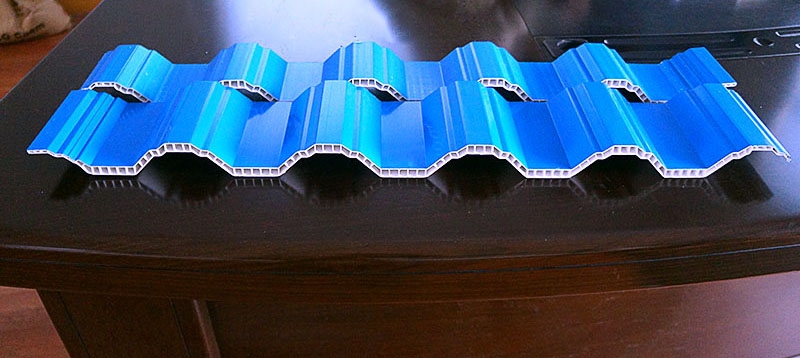
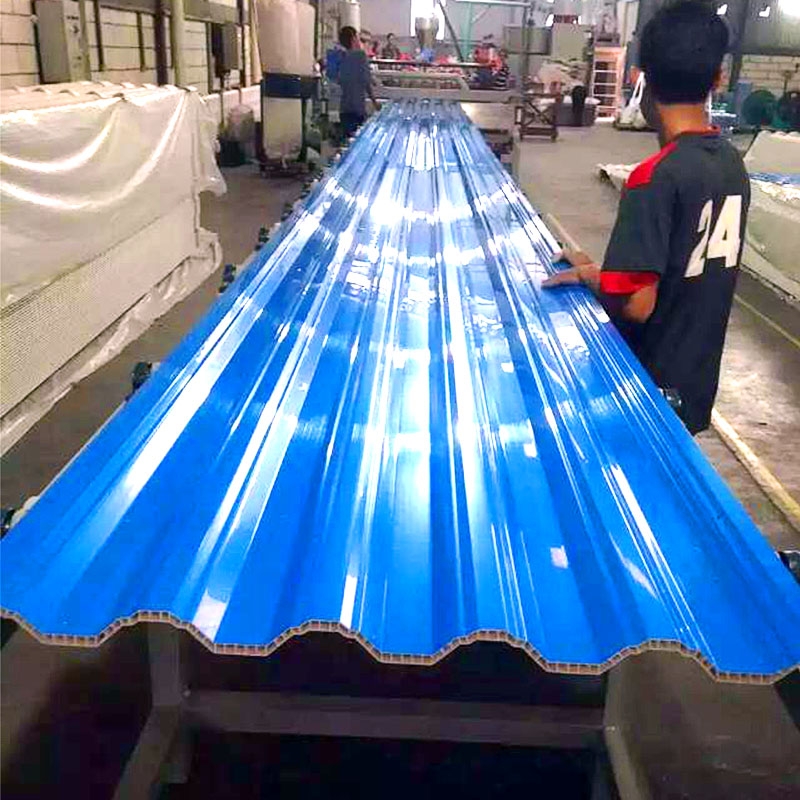
The ASA/PVC hollow tile consists of an upper layer (ASA color co-extrusion material) and a lower layer (PVC with calcium powder filler). The cross-section features a continuous rectangular hollow structure with a high-profile wave design. The thickness is 14mm, width is 850mm, with the upper layer of the tile being 1.4mm, the lower layer 1mm, ribs 0.8mm, wave height 42, and weight 4.7kg/m2. The blue surface layer is co-extruded ASA with a thickness of 0.15mm.
Looking at the design structure of ASA/PVC hollow tiles, compared to ASA synthetic resin tiles, this product has the following characteristics:
Excellent heat insulation and thermal retention (lower thermal transmission coefficient than 3mm ASA synthetic resin).
Lighter weight per unit (approximately 20% lighter than 3mm ASA synthetic resin tiles).
Lower cost (15-20% lower than 3mm ASA synthetic resin tiles, with a formula similar to ASA synthetic resin tiles).
Better sound insulation (due to the 14mm hollow structure).
Equivalent weather resistance.
Comparable initial load resistance.
The production equipment for ASA/PVC hollow tiles is the same as that for ASA synthetic resin tiles, using a plastic tile molding machine. However, the extrusion mold is different and includes a vacuum forming section. The structure is simple, and operation is easy. Since the mold and forming sections differ from ASA synthetic resin tiles, with less adjustability, there is a higher demand for the flow properties of ASA color co-extrusion material. Common ASA materials may experience defects such as flow marks, whitening, streaking, and unevenness.
General Plastics:Commonly referred to as general plastics, these are large in production, low in cost, versatile, and widely used. Examples include polyethylene, polypropylene, polyvinyl chloride, polystyrene, ABS (acrylonitrile-butadiene-styrene), polymethyl methacrylate, and amino plastics. They constitute over 90% of the total plastic production, earning them the name “bulk plastics.”
Engineering Plastics: These plastics serve as engineering materials and can replace metal in manufacturing machine components. Engineering plastics exhibit excellent comprehensive performance, high rigidity, low creep, high mechanical strength, good heat resistance, good electrical insulation, and can be used long-term in demanding chemical and physical environments. They can substitute for metals as structural materials in engineering. However, they are more expensive and have a smaller production volume. Engineering plastics can be further divided into general engineering plastics and special engineering plastics. Examples of general engineering plastics include polyamide, polycarbonate, polyoxymethylene, modified polyphenylene ether, and thermoplastic polyester. Special engineering plastics include heat-resistant plastics with a temperature resistance above 150°C, such as polyimide, polysulfide, polyarylate, aromatic polyamide, polyarylester, polyphenylene ester, polyaryletherketone, liquid crystal polymers, and fluororesins.
By Thermal Forming Processing Performance
Thermosetting Plastics:These plastics soften and flow during the first heating, undergo a chemical reaction to crosslink and solidify at a certain temperature, and this change is irreversible. They cannot soften and flow again upon reheating. Examples include phenolic, urea-formaldehyde, melamine-formaldehyde, epoxy, unsaturated polyester, and organosilicon plastics. Thermosetting plastics form a three-dimensional network structure after resin curing, making them unable to melt or dissolve in solvents. They are commonly used in applications requiring heat insulation, wear resistance, insulation, and high-voltage electrical properties.
Thermoplastic Plastics:These plastics soften and flow when heated, solidify when cooled, and this process is reversible. Examples include polyethylene, polypropylene, polyvinyl chloride, polystyrene, polyacetal, polyethylene terephthalate, and polyamides. Thermoplastic plastics have linear or branched molecular structures, and there are no chemical bonds formed between molecular chains during the molding process. They soften upon heating and solidify upon cooling, undergoing a physical change.
By Transparency
Transparent Plastics:Plastics with a light transmittance of over 88% are classified as transparent plastics. Examples include polymethyl methacrylate (PMMA), polystyrene (PS), polycarbonate (PC), and Z-polyester.
Translucent Plastics:Examples include polypropylene (PP), polyvinyl chloride (PVC), polyethylene (PE), acrylonitrile-styrene (AS), polyethylene terephthalate (PET), methyl methacrylate-butadiene-styrene (MBS), and polystyrene film (PSF).
Opaque Plastics:Mainly include polyoxymethylene (POM), polyamide (PA), ABS, high-impact polystyrene (HIPS), and polyphenylene oxide (PPO).
By Hardness
Hard Plastics:Examples include ABS, POM, PS, PMMA, PC, PET, PBT, and PPO.
Semi-Hard Plastics:Examples include PP, PE, PA, and PVC.
Soft Plastics:Examples include soft PVC, thermoplastic elastomers (TPE), thermoplastic rubber (TPR), ethylene-vinyl acetate (EVA), and thermoplastic polyurethane (TPU).
By Chemical Structure
Polyolefin Plastics:Examples include LDPE, MDPE, HDPE, LLDPE, UHMWPE, and PP.
Polystyrene Plastics:Examples include PS, AS, BS, ABS, MBS, and HIPS.
Polyamide Plastics:Examples include PA6, PA66, PA610, PA10T, and PA612.
Polyether Plastics:Examples include PEEK, POM, PPS, and PPO.
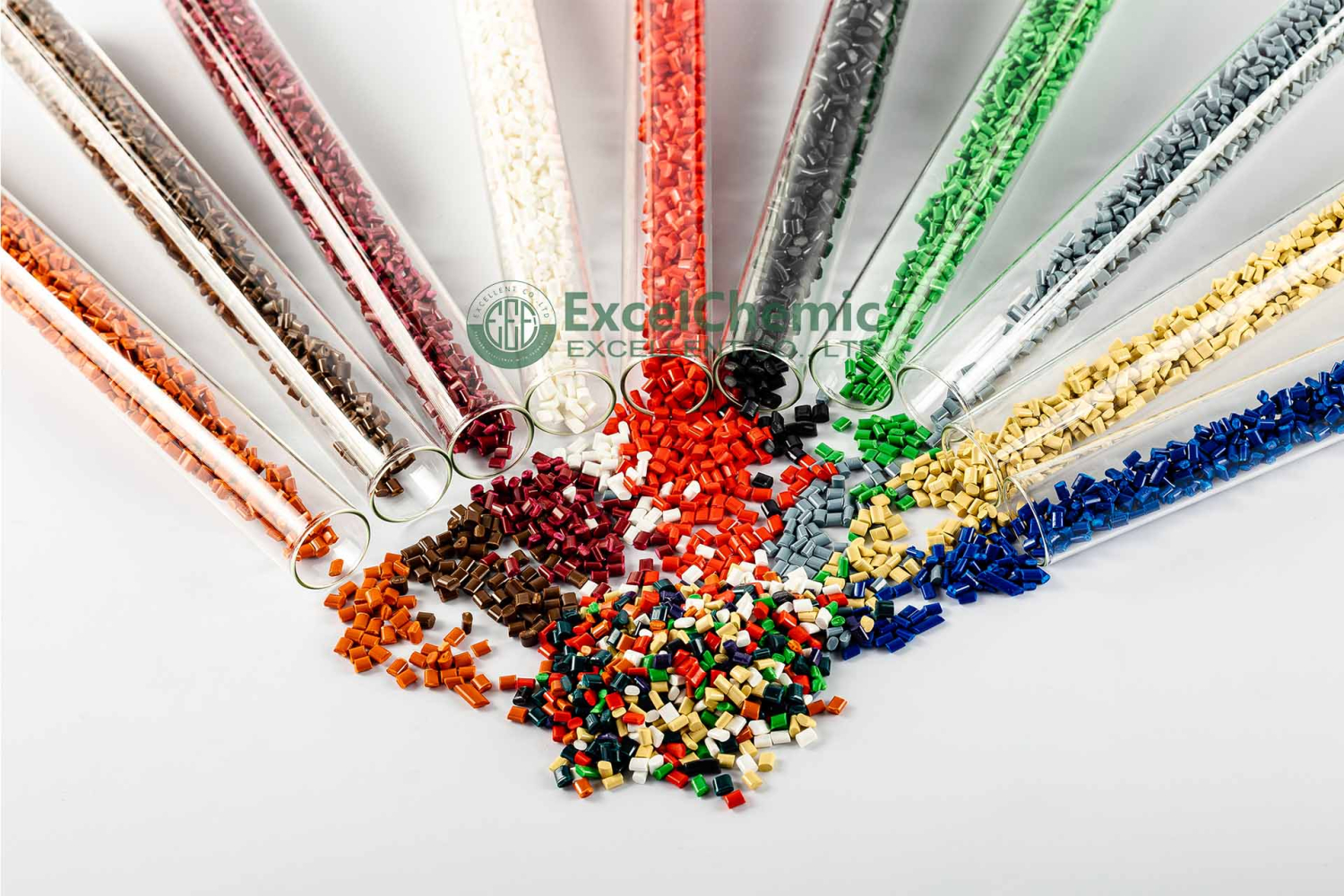
ASA color co-extruded material, renowned for its exceptional weather resistance and outstanding decorative features, is extensively used in the ASA synthetic resin tile industry. Even when exposed to prolonged harsh conditions such as ultraviolet radiation, humidity, and extreme temperatures, it maintains stable color and physical performance. It has been successfully applied in key projects such as the Beijing Olympics, Shanghai World Expo, and Guangzhou Asian Games, making significant contributions to the transformation of city appearances and energy conservation efforts.
Adjustment Methods for ASA Synthetic Resin Tile Production Process:
Excessive Compound of ASA on Both Sides of Resin Tile:
Reduce the temperatures of zones 1, 2, 3, 4 of the ASA extruder screw barrel, with set values in the range of 180 to 185 degrees.
Slightly decrease the ASA extruder screw speed, adjusting within a range of approximately 1 rotation based on on-site conditions.
Variation in ASA Colors During Production:
Adjust ASA extrusion speed as needed during the production of resin tiles. The extrusion speed is not fixed and can be adjusted up or down.
Covering Issue on the Surface of Resin Tiles:
Increase the upper-layer temperature in the problematic area of the clothing rack film (within the range of 210 to 230 degrees) as a normal process adjustment.
Moderately increase the ASA machine screw speed until the issue is resolved.
https://www.excelchemic.com/wp-content/uploads/2023/12/Common-Issues-and-Solutions-in-ASA-Production.jpg600800Alexhttps://excelchemic.com/wp-content/uploads/2023/11/logo-4-3-300x72.jpgAlex2023-12-30 03:31:282023-12-30 12:30:43Common Issues and Solutions in ASA Production
The realm of 3D printing has welcomed a relatively recent entrant—Acrylonitrile Styrene Acrylate (ASA) filament. This material brings forth several advantages when compared to the more ubiquitous Acrylonitrile Butadiene Styrene (ABS) filament. In this discourse, we will thoroughly examine the properties and performance of these two thermoplastics to discern their respective merits.
Introduction to ASA Filament
ASA filament emerged a few years ago as a viable alternative to ABS for fused deposition modeling (FDM) 3D printing. The distinguishing factor between ABS and ASA lies in the incorporation of acrylate in ASA, imparting superior weathering and UV resistance compared to ABS. ASA outperforms ABS in enduring sunlight, humidity, and other environmental factors that can deteriorate plastics over time.
Like ABS, ASA is derived from the petrochemical styrene and boasts an amorphous structure, ensuring good dimensional stability as the material solidifies post-printing. ASA also delivers a glossy surface finish and high impact strength, comparable to ABS in most cases.
ASA’s advantages over ABS primarily stem from its enhanced weatherability and reduced propensity to warp during the printing of large objects. These attributes position ASA as an excellent choice for outdoor applications such as patio furniture, automotive components, and other scenarios where UV and moisture resistance are pivotal.
Key Properties and Characteristics
Let’s delve into a closer examination of the physical and mechanical properties of ASA and ABS filaments:
Impact Strength: Both ABS and ASA exhibit commendable impact resistance due to their amorphous structures. Parts crafted from either material can endure bumps, drops, and short falls without succumbing to cracks or shattering. While ASA may hold a slight advantage in resilience, both materials perform admirably in this regard.
Tensile Strength: The maximum tensile stress that ABS and ASA can withstand before undergoing permanent deformation is comparable. ABS typically has a tensile strength averaging around 40 MPa, with ASA slightly lower at 36–38 MPa on average. For non-structural components, both offer sufficient tensile strength.
Heat Resistance: ABS and ASA showcase nearly equivalent heat resistance, maintaining structural integrity up to approximately 85–95°C. This makes both materials suitable for applications like automotive parts that must endure hot environments. However, neither material is capable of withstanding very high temperatures.
Chemical Resistance: ABS and ASA exhibit resistance to oils, greases, and various solvents. ASA may have a marginal edge in resisting alkalis, acids, and other chemicals at higher concentrations, but both plastics perform well compared to other FDM materials. Caution should be exercised with strong polar solvents like acetone for both.
Weatherability: This is where ASA surpasses ABS. The acrylate in ASA imparts significantly enhanced UV light and moisture resistance. Printed ASA parts can endure months or years of sun exposure with minimal material degradation compared to ABS.
Printing Performance: In terms of printing characteristics, ASA and ABS demonstrate similar behavior. Both melt at temperatures around 220–260°C and can be printed on most desktop FDM printers with a heated bed. No specialized hardware is required for printing with either material.
Part Cooling: Both ABS and ASA prints necessitate gradual cooling after extrusion, requiring cooling fans to be turned off or set to low speeds during printing. Insufficient cooling can lead to layer separation or cracks in finished parts.
Bed Adhesion: Print bed adhesion can pose a challenge with both ASA and ABS due to plastic contraction upon cooling. The use of a heated print bed (80–110°C) along with adhesion aids like glue, tape, or an adhesion promoter spray yields optimal bed adhesion.
Warping: ASA holds an advantage in this aspect, being less prone to warping and detachment from the print bed compared to ABS. Large ABS prints are highly susceptible to warping, while ASA’s characteristics make it more conducive to printing sizable objects without warpage and edge curling.
Post-Processing: Minimal post-processing is required for both ASA and ABS prints. Supports can be easily removed, and the smooth surface finish generally eliminates the need for sanding or polishing (though these processes can enhance aesthetics). It’s worth noting that an acetone vapor bath, effective for smoothing ABS parts, does not work as effectively on ASA due to its chemical resistance.
ASA vs. ABS: Which to Choose?
Determining whether to choose ASA over ABS, or vice versa, depends on specific requirements. Here are some general guidelines:
Choose ASA When:
Good heat resistance and impact strength are needed.
Dimensional stability across large prints is crucial.
Weather resistance is paramount (e.g., outdoor use).
A glossy, smooth finish is desired.
Choose ABS When:
The smoothest possible surface finish is desired (suitable for acetone vapor treatment).
A diverse range of color options is important.
Heat resistance beyond 80–90°C is required.
The printing area is prone to static (ASA builds up more static charge).
ASA holds a significant advantage over ABS in terms of UV/moisture resistance, making it well-suited for automotive and outdoor applications. Both filaments, characterized by amorphous structures, offer good impact strength. For extensive prints, ASA’s reduced warping proves beneficial.
While ASA generally incurs a slightly higher cost than ABS due to its more advanced formulation and lower market availability, many find the additional cost justified for the enhanced weather resistance in intended use cases.
Both filaments can yield quality printed parts with appropriate slicing settings and printing techniques. Experimenting with both materials will help determine which properties align with specific needs and desired characteristics. Careful consideration of the advantages and disadvantages outlined here is crucial when selecting a material.
Printing With ASA Filament
If ASA is the chosen material for a 3D printing project, consider the following tips for optimal results:
Utilize an enclosure to maintain a stable, warpage-free print environment.
Print on tape, glue, or other adhesion promoters to prevent detachment from the bed.
Employ a heated bed (100–110°C) for maximum layer bonding.
Reduce part cooling by keeping fans off or set to low speeds.
Optimal nozzle temperature is roughly 240–260°C.
Print the first layer hot and slow for maximum bed adhesion.
Store the filament in an airtight container with desiccant when not in use.
ASA excels for larger prints where ABS might succumb to cracking, curling, or detachment from the print bed. The improved interlayer bonding prevents the entire print from detaching or deforming.
By adhering to these tips, ASA prints can exhibit exceptional visual appeal and possess the physical properties needed for demanding applications.
Conclusion
Both ASA and ABS stand out as excellent materials for fused deposition modeling 3D printing. ASA notably offers superior weatherability and UV/moisture resistance compared to ABS while maintaining similar mechanical properties. This positions ASA as an ideal choice for automotive parts, outdoor applications, or any scenario where resistance to the elements is critical.
ABS remains a viable option when high-temperature performance, ease of post-processing, or a wide color selection is required. Additionally, ABS is slightly more cost-effective than ASA at present. However, for extensive prints, ASA’s diminished warping provides a clear advantage.
When selecting a material, carefully evaluate the environment in which the 3D printed part will be used. Consider factors such as the expected temperature range, exposure to sunlight and moisture, required accuracy and detail, and other application-specific requirements. Armed with an understanding of the relative merits and drawbacks of each material, one can make an informed decision based on their unique 3D printing needs.
https://www.excelchemic.com/wp-content/uploads/2023/12/ASA:The-UV-Resistant-Alternative-to-ABS-2.jpg12801920Alexhttps://excelchemic.com/wp-content/uploads/2023/11/logo-4-3-300x72.jpgAlex2023-12-28 08:39:012023-12-28 08:39:01ASA: The UV-Resistant Alternative to ABS
In the ever-evolving landscape of materials science, Acrylonitrile Styrene Acrylate (ASA) has emerged as a frontrunner, not just for its remarkable performance characteristics but also for its sustainability initiatives and innovative applications. ASA’s journey toward sustainability reflects a broader commitment to environmental responsibility within the manufacturing and 3D printing industries.
Sustainable Sourcing
ASA’s sustainability journey begins with its raw materials. Derived from petrochemical styrene, ASA manufacturers are increasingly adopting sustainable sourcing practices. Many companies are actively exploring bio-based alternatives and incorporating recycled content into their ASA formulations. This not only reduces dependence on non-renewable resources but also minimizes the environmental impact associated with material extraction.
By prioritizing sustainable sourcing, ASA manufacturers contribute to the reduction of carbon footprints and promote a circular economy. The integration of recycled materials not only conserves resources but also diverts plastic waste from landfills, aligning ASA with the principles of a more environmentally conscious manufacturing process.
Extended Product Lifespan
One of the key pillars of sustainability is the concept of durability and longevity. ASA, known for its high impact resistance and weather durability, contributes significantly to extending the lifespan of products. Unlike materials with a limited lifespan, products made from ASA are designed to withstand the test of time, reducing the frequency of replacements and minimizing overall waste.
Whether used in automotive components, outdoor furniture, or construction materials, ASA’s resilience to environmental factors such as UV radiation and moisture ensures that the products remain functional and aesthetically pleasing for an extended period. This inherent durability aligns with the principles of sustainable design, emphasizing the creation of products that stand up to wear and tear over time.
Recycling and Circular Economy
ASA’s commitment to sustainability extends beyond its initial use. The material is conducive to recycling, allowing for the reprocessing of end-of-life products into new ASA components. The recyclability of ASA supports the development of a circular economy, where materials are reused and repurposed instead of being discarded.
Manufacturers and 3D printing enthusiasts alike are increasingly recognizing the importance of designing products with end-of-life considerations. ASA’s recyclability provides an avenue for responsible disposal practices, reducing the environmental impact associated with traditional waste disposal methods.
Innovative Applications
In addition to its sustainability initiatives, ASA is driving innovation in various industries. The material’s versatility and performance characteristics make it suitable for a wide range of applications beyond traditional uses. From 3D printing to outdoor furniture, ASA’s innovative applications continue to expand.
In the field of 3D printing, ASA’s compatibility with fused deposition modeling (FDM) technology has opened new possibilities for creating intricate and functional prototypes with enhanced weather resistance. This application not only facilitates rapid prototyping but also aligns with sustainable design principles by minimizing material waste in the iterative design process.
ASA’s incorporation into outdoor furniture and construction materials showcases its adaptability in creating sustainable and aesthetically pleasing solutions. As designers and manufacturers seek materials that balance performance with environmental responsibility, ASA emerges as a frontrunner in fostering innovation across diverse industries.
Conclusion
ASA material’s sustainability and innovation mark a transformative phase in material science. From its origins in sustainable sourcing to its role in promoting extended product lifespans, recycling, and innovative applications, ASA stands as a beacon of progress toward a greener and more sustainable future.
As industries continue to prioritize eco-friendly practices and responsible material choices, ASA’s commitment to sustainability positions it as a catalyst for positive change. By embracing the principles of circular economy and pushing the boundaries of innovation, ASA is not just a material; it’s a testament to the ongoing journey toward a more sustainable and environmentally conscious world.
https://www.excelchemic.com/wp-content/uploads/2023/12/ASA-Materials-Sustainability-and-Innovation-Paving-the-Way-for-a-Greener-Future-1.jpg12801920Alexhttps://excelchemic.com/wp-content/uploads/2023/11/logo-4-3-300x72.jpgAlex2023-12-28 08:28:262023-12-28 08:40:08ASA Material: Paving the Way for a Greener Future
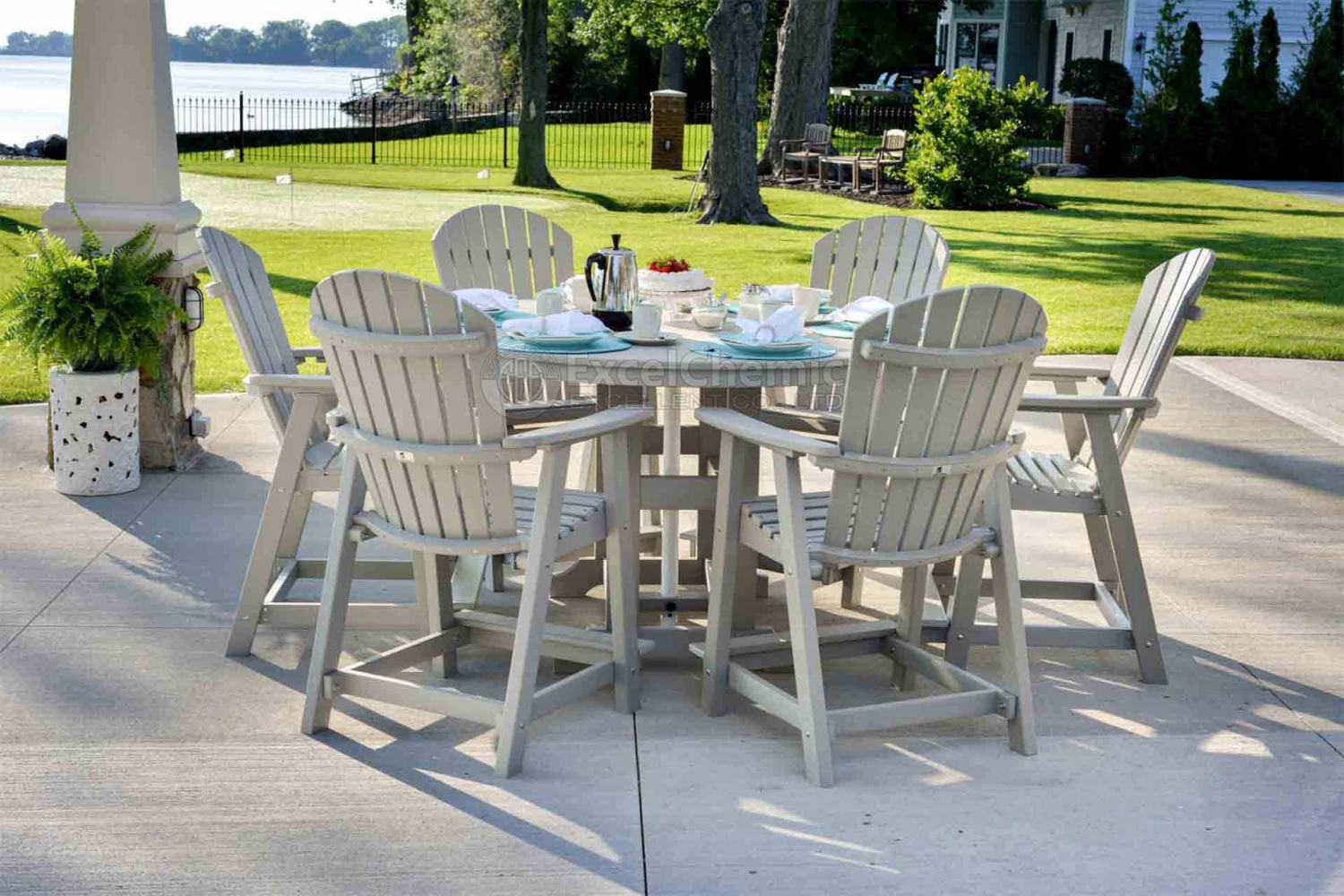
Outdoor furniture and equipment play a pivotal role in enhancing our outdoor living spaces, from serene garden retreats to bustling public parks. The choice of materials for these elements is crucial, considering the harsh environmental conditions they face. Acrylonitrile Styrene Acrylate (ASA) has emerged as a game-changer in this realm, redefining the status quo through its unique blend of sustainability and innovation.
Status Quo: The Challenges in Outdoor Furniture and Equipment
Traditionally, outdoor furniture and equipment faced numerous challenges such as degradation due to UV exposure, moisture damage, and the wear and tear caused by varying weather conditions. Common materials, while initially functional, often succumbed to these challenges over time, leading to frequent replacements and increased environmental impact.
Advantages of ASA in Outdoor Furniture and Equipment
Durability in the Face of Nature’s Elements: ASA’s entry into the outdoor furniture and equipment domain marks a significant shift. Its exceptional durability and weather resistance make it an ideal choice for products that need to withstand prolonged exposure to sunlight, rain, and temperature extremes. ASA’s robustness ensures that outdoor elements maintain their structural integrity and aesthetic appeal over an extended period.
UV Resistance for Long-Lasting Aesthetics: One of ASA’s standout features is its remarkable UV resistance. Unlike traditional materials that may fade or become brittle under sunlight, ASA retains its color and mechanical properties over extended periods of exposure. This UV resistance is a game-changer for maintaining the vibrant and attractive appearance of outdoor furniture and equipment, reducing the need for frequent replacements.
Sustainability in ASA: A Greener Choice
Responsible Raw Material Sourcing: ASA’s journey towards sustainability begins with its responsible raw material sourcing. Manufacturers are increasingly adopting eco-friendly practices, exploring bio-based alternatives, and incorporating recycled content into ASA formulations. This not only reduces the reliance on non-renewable resources but also contributes to a more environmentally conscious approach to production.
Recyclability for a Circular Economy: ASA’s commitment to sustainability extends beyond its initial use. The material is highly recyclable, supporting the principles of a circular economy. This means that end-of-life outdoor furniture and equipment made from ASA can be recycled, reducing environmental impact and contributing to the overall reduction of plastic waste.
Innovation: ASA’s Contribution to Outdoor Living Solutions
Versatility in Design: ASA’s innovative properties open up new possibilities in outdoor furniture and equipment design. Its compatibility with various manufacturing processes, including injection molding and 3D printing, allows for intricate and versatile designs. Manufacturers can create aesthetically pleasing, yet functional, outdoor elements that align with modern design trends.
Customization and Color Retention: ASA’s ability to retain color under prolonged UV exposure facilitates greater design flexibility. Outdoor furniture and equipment can be customized in a wide array of colors without concerns about fading. This innovation not only caters to aesthetic preferences but also aligns with the growing demand for personalized and vibrant outdoor living spaces.
Conclusion: ASA’s Green Revolution in Outdoor Living
In conclusion, ASA’s integration into outdoor furniture and equipment signifies a green revolution in the industry. Its unique combination of durability, UV resistance, and sustainability make it a preferred choice for manufacturers and consumers alike. ASA not only addresses the challenges posed by nature but also contributes to a more environmentally friendly approach, ensuring that our outdoor spaces remain vibrant, functional, and sustainable for years to come.
https://www.excelchemic.com/wp-content/uploads/2023/12/Transforming-Outdoor-Furniture-and-Equipment-with-Sustainability-and-Innovation-1.jpg12801920Alexhttps://excelchemic.com/wp-content/uploads/2023/11/logo-4-3-300x72.jpgAlex2023-12-28 08:23:072023-12-28 08:23:07ASA – Transforming Outdoor Furniture and Equipment with Sustainability and Innovation
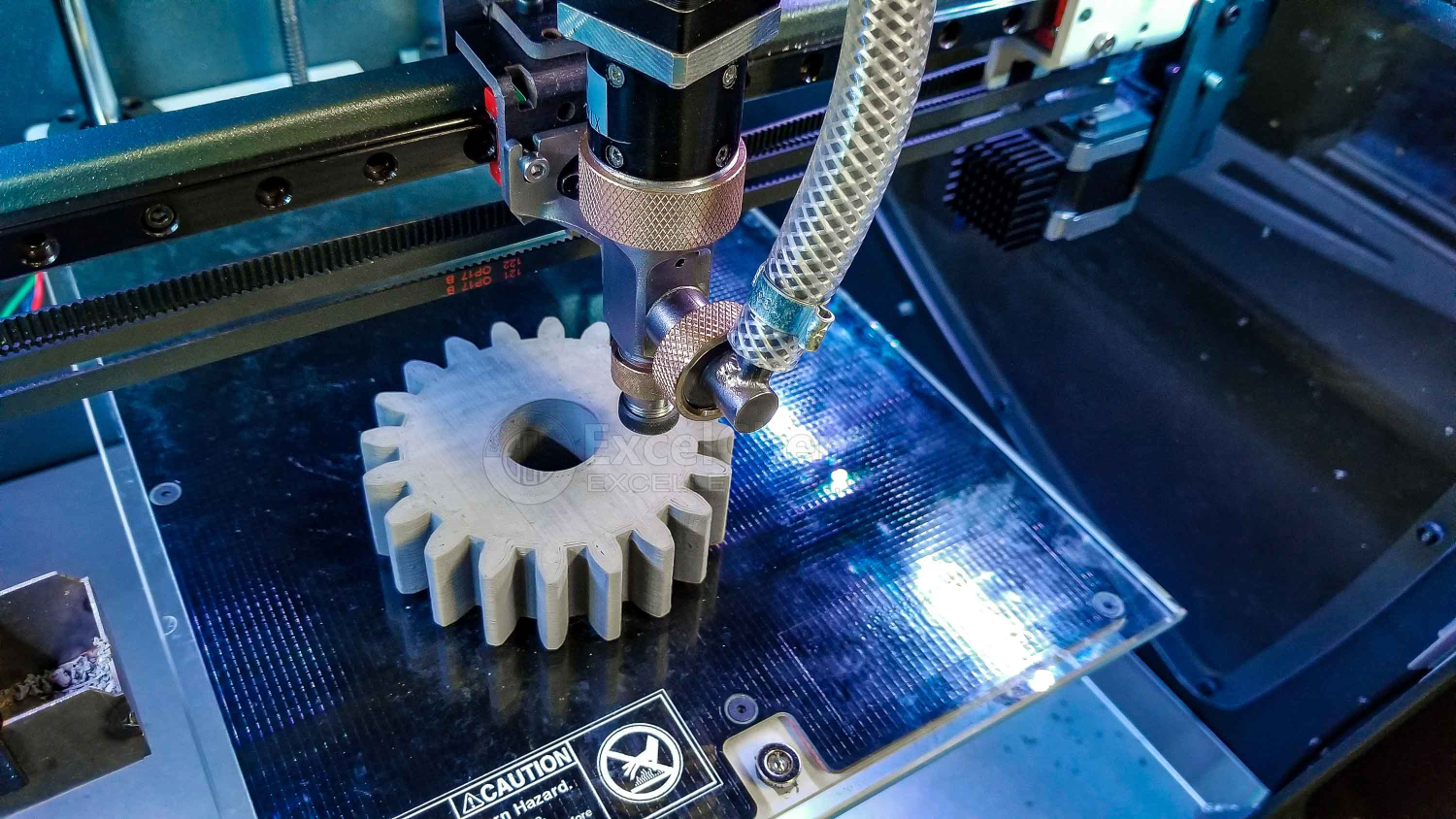
Acrylonitrile Styrene Acrylate (ASA) stands as a synthetic, non-crystalline thermoplastic ideally suited for material extrusion printing. This high-impact material finds its application in the production of functional components for various industries such as automotive, electronics, tooling, and beyond. Its notable characteristics include outstanding weather resistance and UV stability, positioning it as an excellent choice for outdoor applications.
PERFORMANCE ATTRIBUTES OF ASA
Exceptional impact resistance
Robust UV and chemical resistance
Water-resistant properties
Anti-static characteristics
Sturdy and enduring composition
Low-gloss surface finish
POTENTIAL APPLICATIONS OF ASA
ASA proves to be a cost-effective 3D printing material, showcasing commendable mechanical performance and resilience against environmental factors. It finds utility in the creation of:
Workholding jigs and fixtures
End-of-arm tooling (EOAT)
Inspection gauges
Assembly fixtures
ASA also serves as an ideal choice for 3D printed prototypes due to its ease of printing and affordability. Leveraging its strength and UV resistance, ASA can be employed in crafting functional prototypes, including:
Molded components for Auto, Marine, and RV applications
Electrical housings
Outdoor appliances
Hand and power tools
Sporting goods
Exterior signage
In the realm of production 3D printing, ASA takes center stage for manufacturing high-impact, enduring products requiring resistance to heat, water, and UV exposure. Noteworthy products that can be effectively printed with ASA encompass:
Automotive exterior parts
Marine and RV applications
Outdoor installations
Electrical/electronic components
Construction materials
Lawn and garden equipment
Electronic display sheets
PRINTER REQUIREMENTS AND SETTINGS
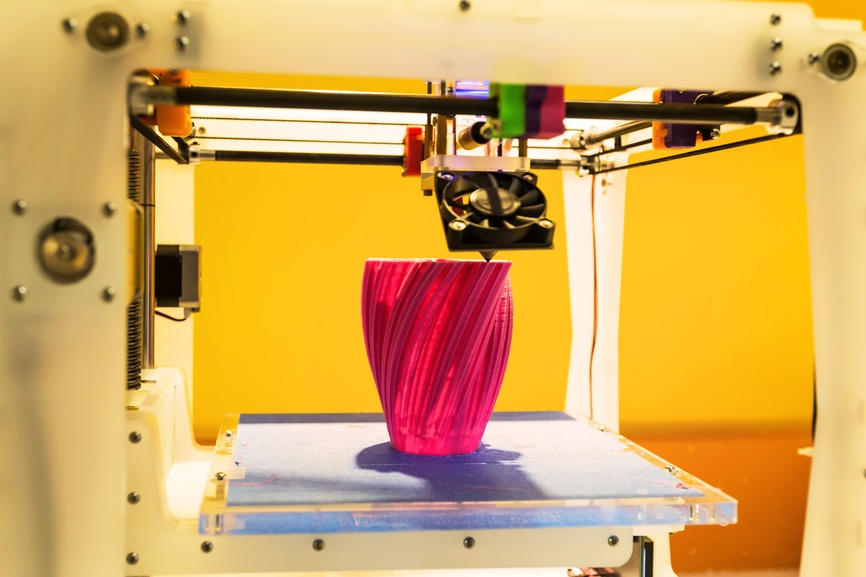
Given its elevated glass transition temperature, successful ASA printing necessitates a heated bed. Optimal results are achieved with a fully enclosed print bed. Key printing parameters include:
Extruder temperature: 240-250 ℃
Bed temperature: 90-130 ℃
Printing speed: 50-90 mm/s
Heated chamber: Recommended
While parameter variations across material brands may be minimal, operators should always refer to the suggested printing parameters provided by the material manufacturer. Machine manufacturers can also serve as valuable resources for processing knowledge.
PROCEDURE of 3D PRINTING WITH ASA To achieve optimal results, fine-tune the print parameters, paying particular attention to print speed, extruder temperature, and bed temperature. Pre-drying ASA before printing and maintaining dry conditions during the process is advised. Enclosed 3D printers are recommended to enhance layer-to-layer adhesion and mitigate warpage. Investing in a quality build surface, such as Kapton tape, PET sheets, or appropriate adhesives, is also recommended.
https://www.excelchemic.com/wp-content/uploads/2023/12/ASA-and-3D-Printing-2.jpg577866Alexhttps://excelchemic.com/wp-content/uploads/2023/11/logo-4-3-300x72.jpgAlex2023-12-27 08:53:472023-12-30 12:51:36ASA and 3D Printing
Solar panel frames don’t tend to generate a lot of excitement, but they play an important role: providing a panel strength, protection and fixing points. Frames need to be strong, lightweight and able to endure the elements for decades. To this point, aluminium has been the most widely used material.
This new PC/ASA material is a composite thermoplastic made up of Acrylonitrile Styrene Acrylate (ASA) and polycarbonate (PC), both of which are petrochemical (oil) based. It has aluminium’s durability, is half the weight, has flame retardant attributes, low thermal expansion and is price-competitive with aluminium.
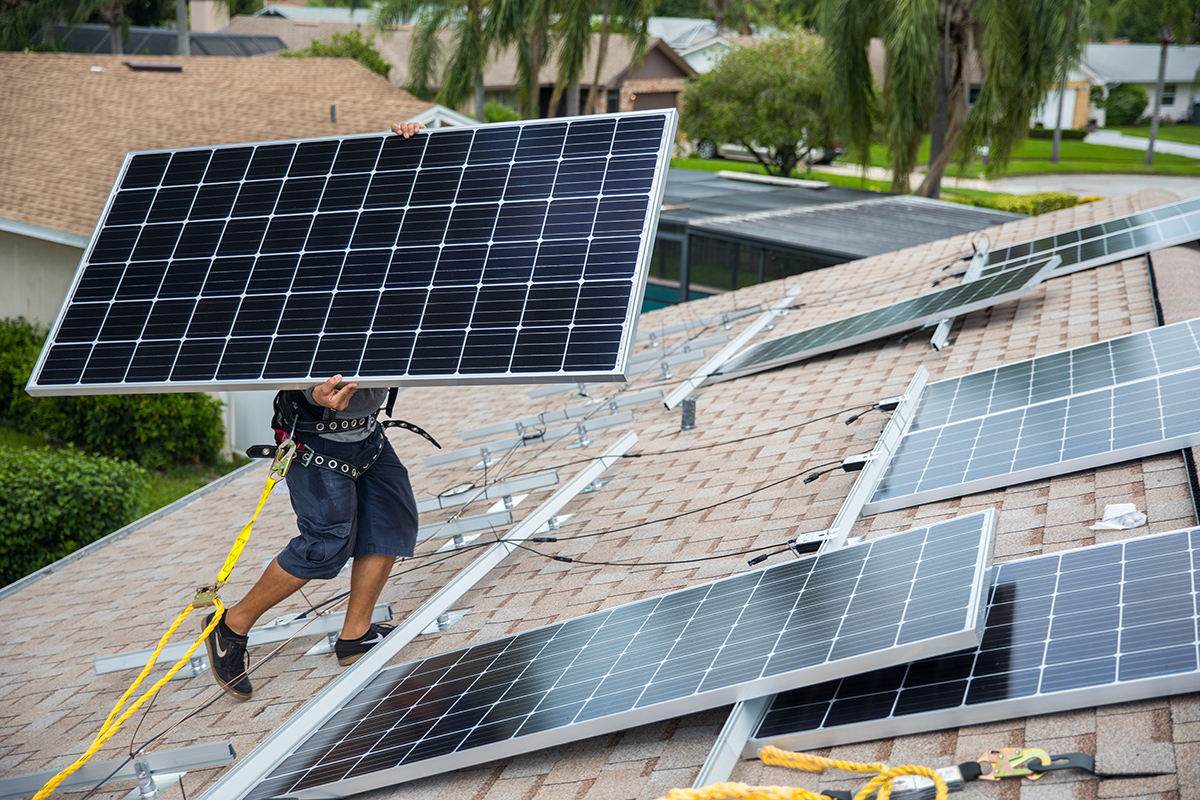
While an aluminium frame only makes up around 10% of a solar panel’s weight – around 2kg – any weight reduction will probably be welcomed by installers who have to tussle with solar panels on rooftops all day – not the safest of tasks given the generally unwieldy nature of PV modules.
Plastic Solar Panel Frame Recycling
One of the many benefits of aluminium is it can be recycled and doesn’t lose any quality during that process – it can be recycled pretty much forever.
The good news for the PC/ASA is it is possible to recycle PC/ASA material blends – although this study indicates compared to virgin PC/ASA, a loss in impact strength occurs. But it notes:
“Quality improvement in compounding or blending with virgin PC/ASA may be used to compensate these quality losses and establish a closed-loop recycling system.”
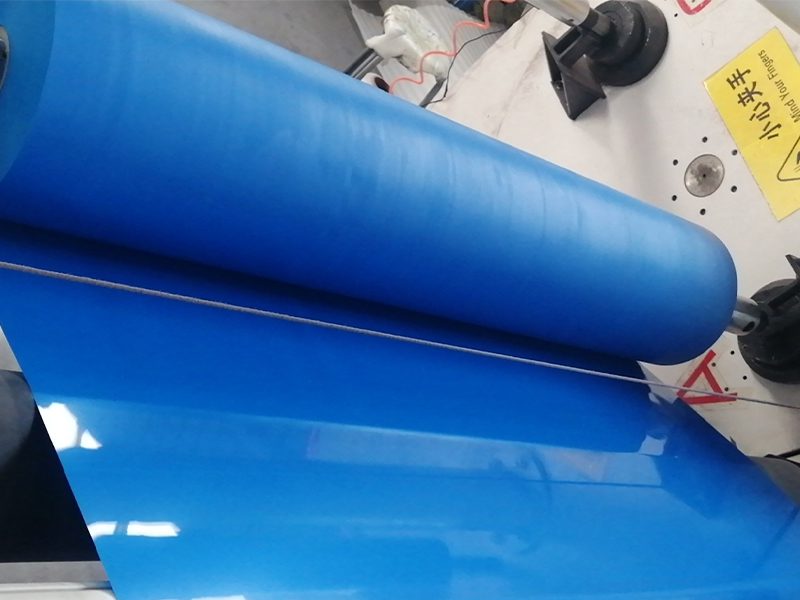
The emergence of ASA weather-resistant film addresses many shortcomings of traditional co-extrusion processes, making it the preferred choice for surface weather-resistant materials.
ASA Film
ASA ultra-weather-resistant functional film is a thin film product made from ASA resin (Acrylonitile – Styrene – Acrylate ternary copolymer), weather-resistant inorganic pigments, and additives. It is produced by specific blending modification and film stretching.
The ASA ultra-weather-resistant functional film inherits all the advantages of ASA, making it even more perfect in application.
Advantages
Products produced by film coating have a uniformly scratch-free surface
The surface thickness of products produced by film coating is uniform
Products produced by film coating have a high gloss, fine texture, and smooth surface
Products produced by film coating do not require drying
During the production process, product colors can be easily changed