
ASA Material: Paving the Way for a Greener Future
In the ever-evolving landscape of materials science, Acrylonitrile Styrene Acrylate (ASA) has emerged as a frontrunner, not just for its remarkable performance characteristics but also for its sustainability initiatives and innovative applications. ASA’s journey toward sustainability reflects a broader commitment to environmental responsibility within the manufacturing and 3D printing industries.
Sustainable Sourcing
ASA’s sustainability journey begins with its raw materials. Derived from petrochemical styrene, ASA manufacturers are increasingly adopting sustainable sourcing practices. Many companies are actively exploring bio-based alternatives and incorporating recycled content into their ASA formulations. This not only reduces dependence on non-renewable resources but also minimizes the environmental impact associated with material extraction.
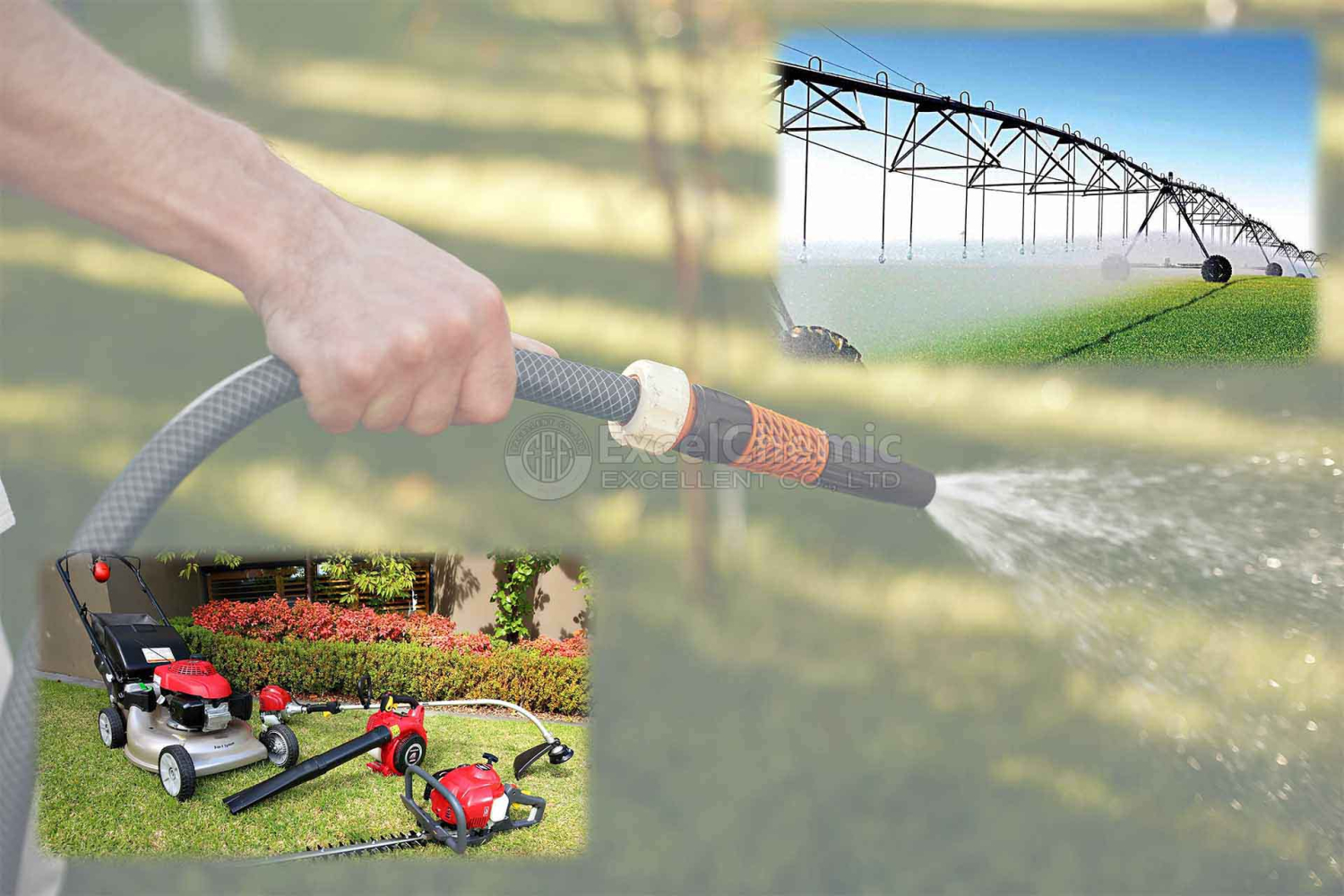
By prioritizing sustainable sourcing, ASA manufacturers contribute to the reduction of carbon footprints and promote a circular economy. The integration of recycled materials not only conserves resources but also diverts plastic waste from landfills, aligning ASA with the principles of a more environmentally conscious manufacturing process.
Extended Product Lifespan
One of the key pillars of sustainability is the concept of durability and longevity. ASA, known for its high impact resistance and weather durability, contributes significantly to extending the lifespan of products. Unlike materials with a limited lifespan, products made from ASA are designed to withstand the test of time, reducing the frequency of replacements and minimizing overall waste.

Whether used in automotive components, outdoor furniture, or construction materials, ASA’s resilience to environmental factors such as UV radiation and moisture ensures that the products remain functional and aesthetically pleasing for an extended period. This inherent durability aligns with the principles of sustainable design, emphasizing the creation of products that stand up to wear and tear over time.

Recycling and Circular Economy
ASA’s commitment to sustainability extends beyond its initial use. The material is conducive to recycling, allowing for the reprocessing of end-of-life products into new ASA components. The recyclability of ASA supports the development of a circular economy, where materials are reused and repurposed instead of being discarded.
Manufacturers and 3D printing enthusiasts alike are increasingly recognizing the importance of designing products with end-of-life considerations. ASA’s recyclability provides an avenue for responsible disposal practices, reducing the environmental impact associated with traditional waste disposal methods.
Innovative Applications
In addition to its sustainability initiatives, ASA is driving innovation in various industries. The material’s versatility and performance characteristics make it suitable for a wide range of applications beyond traditional uses. From 3D printing to outdoor furniture, ASA’s innovative applications continue to expand.
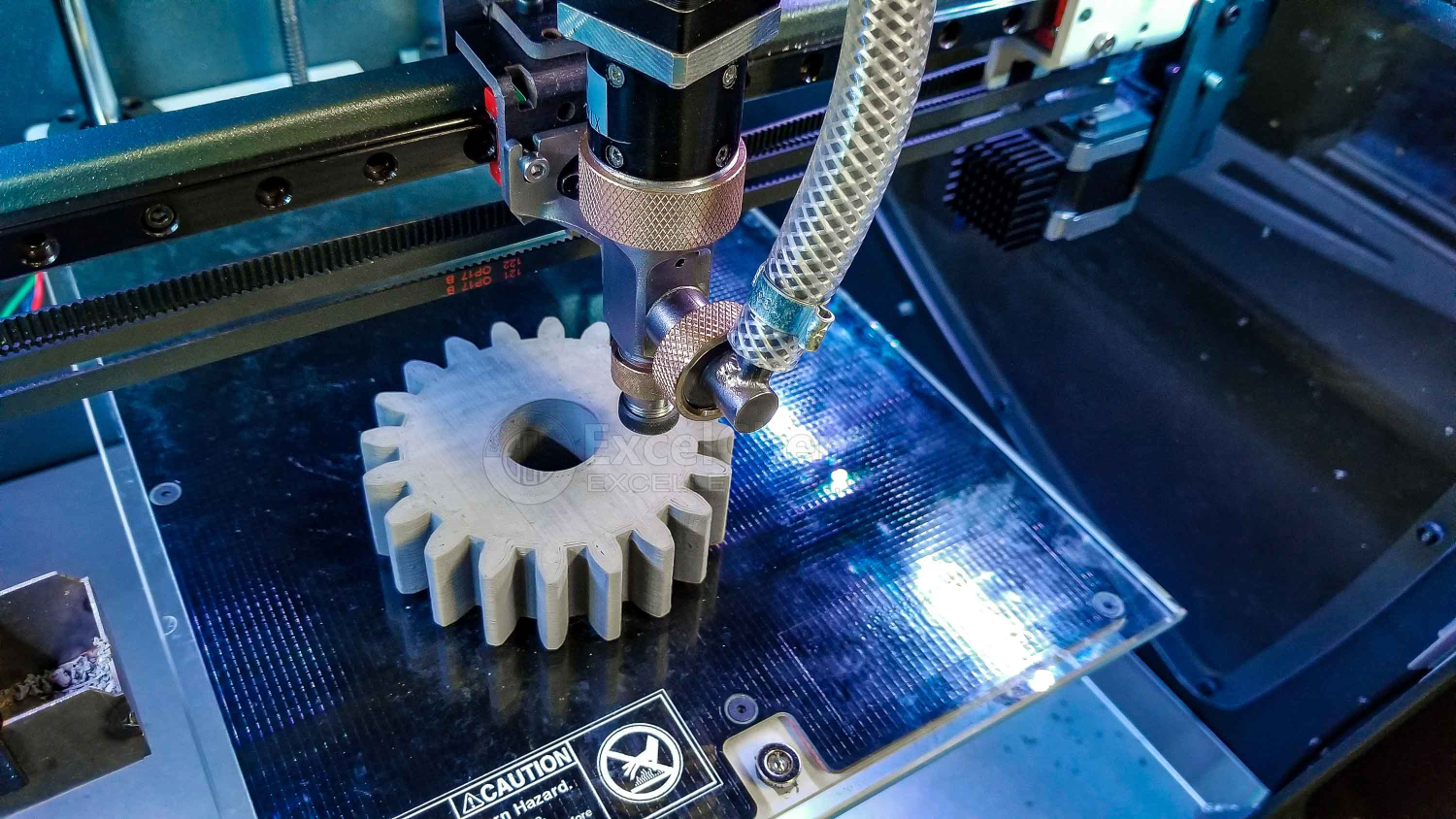
In the field of 3D printing, ASA’s compatibility with fused deposition modeling (FDM) technology has opened new possibilities for creating intricate and functional prototypes with enhanced weather resistance. This application not only facilitates rapid prototyping but also aligns with sustainable design principles by minimizing material waste in the iterative design process.
ASA’s incorporation into outdoor furniture and construction materials showcases its adaptability in creating sustainable and aesthetically pleasing solutions. As designers and manufacturers seek materials that balance performance with environmental responsibility, ASA emerges as a frontrunner in fostering innovation across diverse industries.
Conclusion
ASA material’s sustainability and innovation mark a transformative phase in material science. From its origins in sustainable sourcing to its role in promoting extended product lifespans, recycling, and innovative applications, ASA stands as a beacon of progress toward a greener and more sustainable future.
As industries continue to prioritize eco-friendly practices and responsible material choices, ASA’s commitment to sustainability positions it as a catalyst for positive change. By embracing the principles of circular economy and pushing the boundaries of innovation, ASA is not just a material; it’s a testament to the ongoing journey toward a more sustainable and environmentally conscious world.


Leave a Reply
Want to join the discussion?Feel free to contribute!