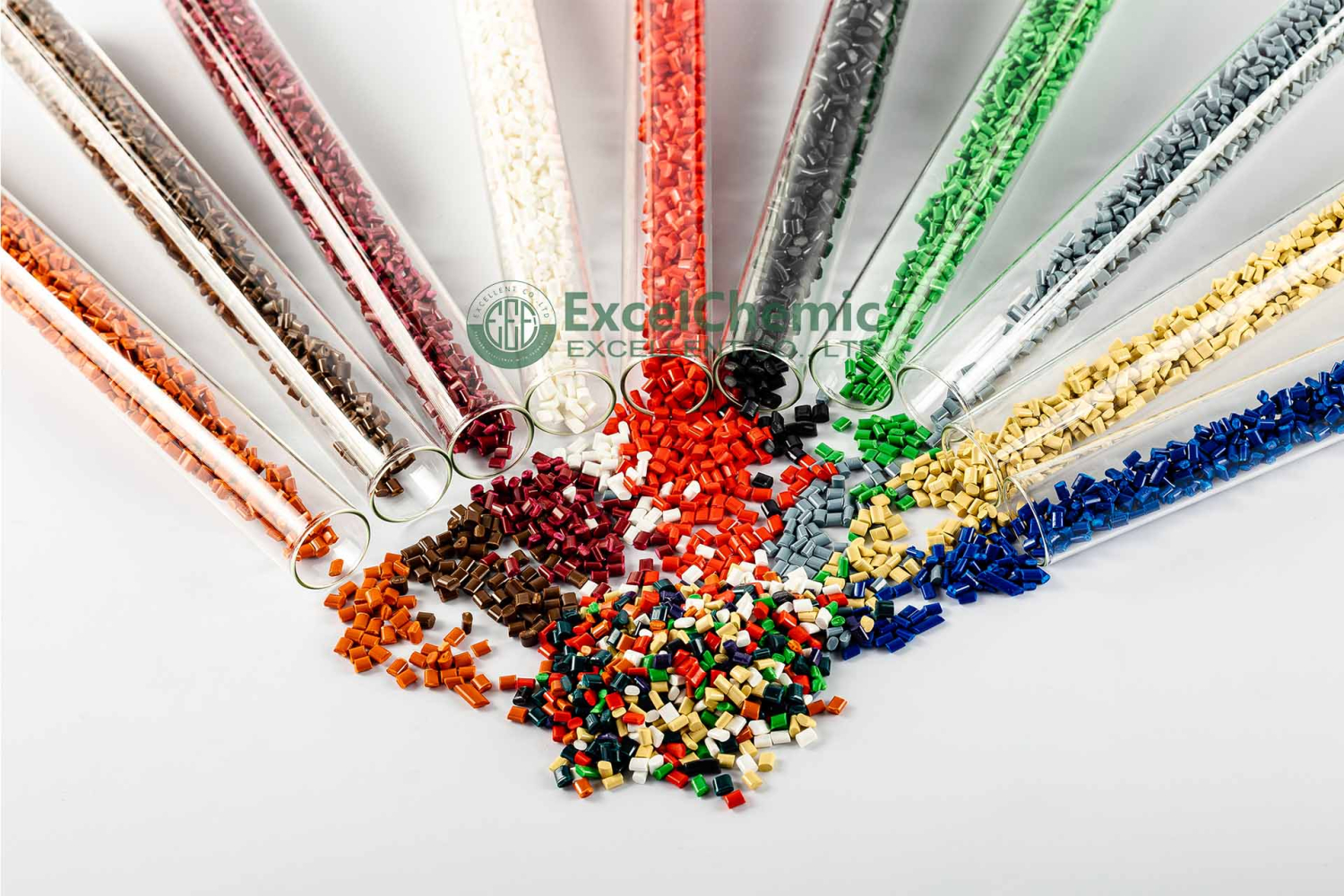
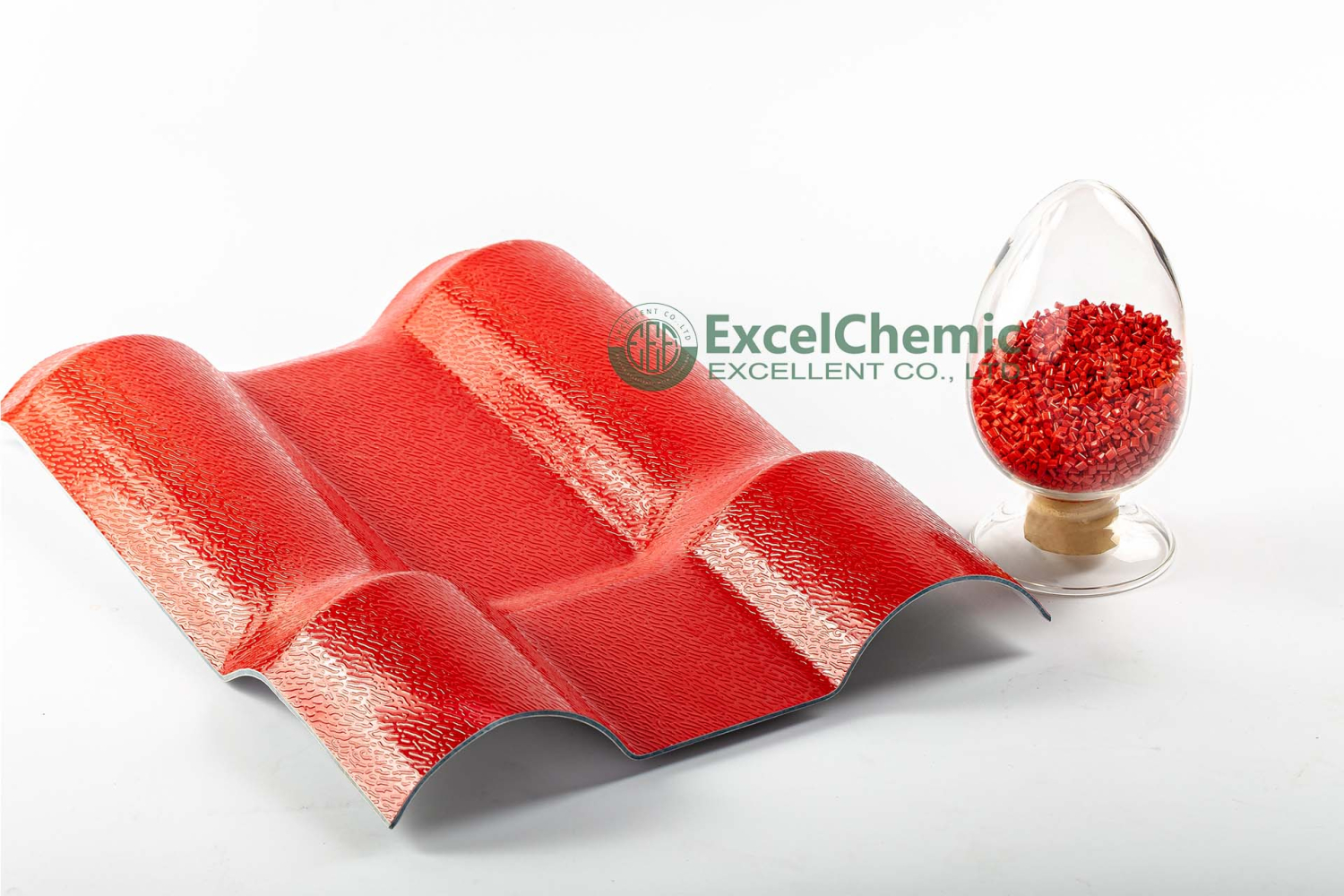
ExcelChemic ASA Film features long-lasting color, corrosion resistance, impact resistance, UV protection, durability, anti-aging properties, and strong self-cleaning ability. With high-quality performance and service, it is well-received in both domestic and international markets.
Creating a clean, beautiful, and harmonious working environment can bring joy to the mind and body, adjust emotions, enhance efficiency, and make work enjoyable.
The company has organized an inspection team specifically responsible for conducting inspections on the safety and hygiene of the factory area. Different areas of the factory implement a responsibility system, with each department responsible for its designated area, ensuring safety, cleanliness, and tidiness within their respective regions. Colleagues work together with unity and cooperation to jointly maintain the clean and comfortable working and living environment they have created.
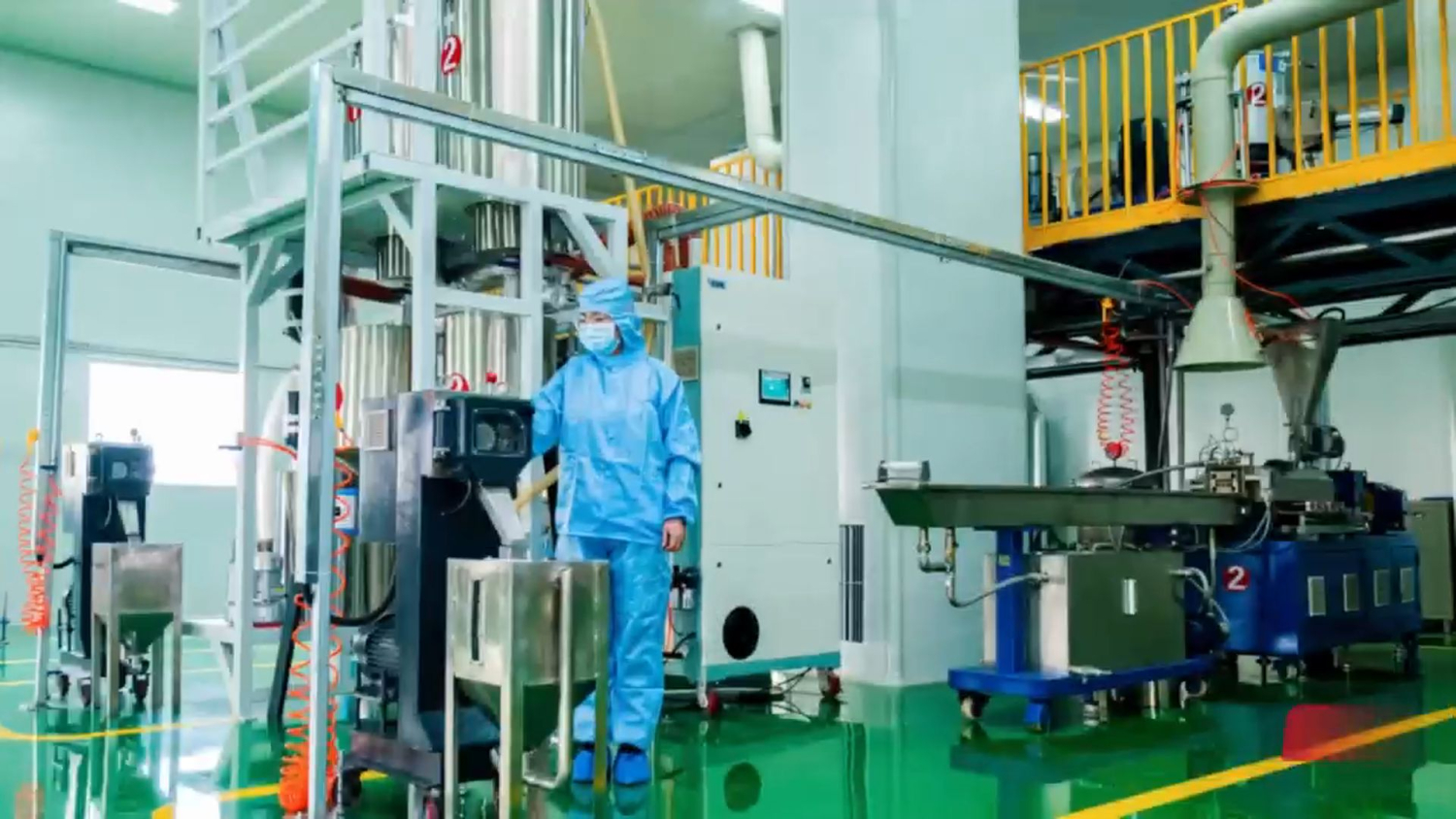
https://www.excelchemic.com/wp-content/uploads/2023/12/Building-a-Safe-and-Environmentally-Friendly-Clean-Workshop.jpg10801920Alexhttps://excelchemic.com/wp-content/uploads/2023/11/logo-4-3-300x72.jpgAlex2023-12-30 12:25:362023-12-30 12:25:36Building a Safe and Environmentally-Friendly Clean Workshop
ASA synthetic resin tiles have dominated the market as a novel roofing material, playing a significant role in projects ranging from the Beijing Olympics to the urban redevelopment for the Shanghai World Expo, and from large-scale rural construction to the modernization of factory buildings. In the market recently, a new type of ASA/PVC hollow tile has quietly emerged, particularly gaining popularity in some high-humidity and hot climates in Southeast Asia. Below is a brief introduction to ASA/PVC hollow tiles.
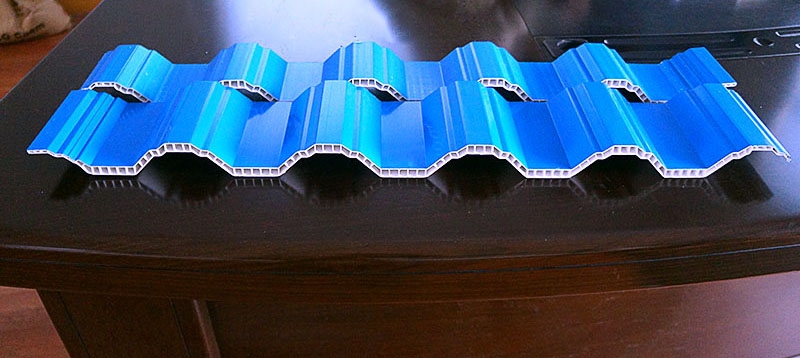
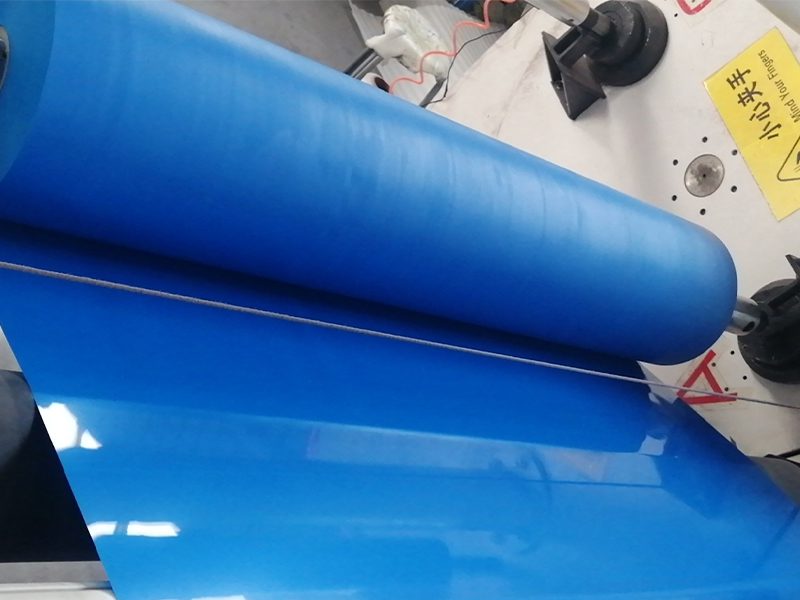
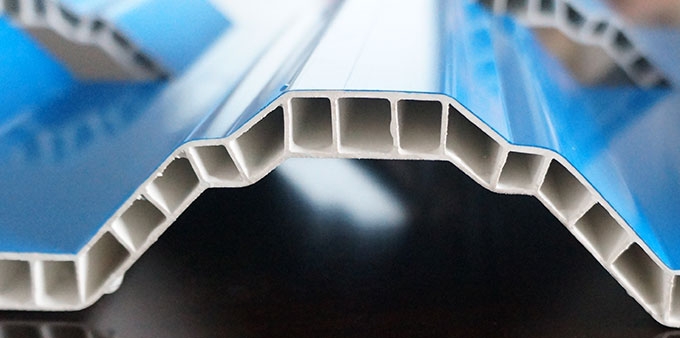
The ASA/PVC hollow tile consists of an upper layer (ASA color co-extrusion material) and a lower layer (PVC with calcium powder filler). The cross-section features a continuous rectangular hollow structure with a high-profile wave design. The thickness is 14mm, width is 850mm, with the upper layer of the tile being 1.4mm, the lower layer 1mm, ribs 0.8mm, wave height 42, and weight 4.7kg/m2. The blue surface layer is co-extruded ASA with a thickness of 0.15mm.
Looking at the design structure of ASA/PVC hollow tiles, compared to ASA synthetic resin tiles, this product has the following characteristics:
Excellent heat insulation and thermal retention (lower thermal transmission coefficient than 3mm ASA synthetic resin).
Lighter weight per unit (approximately 20% lighter than 3mm ASA synthetic resin tiles).
Lower cost (15-20% lower than 3mm ASA synthetic resin tiles, with a formula similar to ASA synthetic resin tiles).
Better sound insulation (due to the 14mm hollow structure).
Equivalent weather resistance.
Comparable initial load resistance.
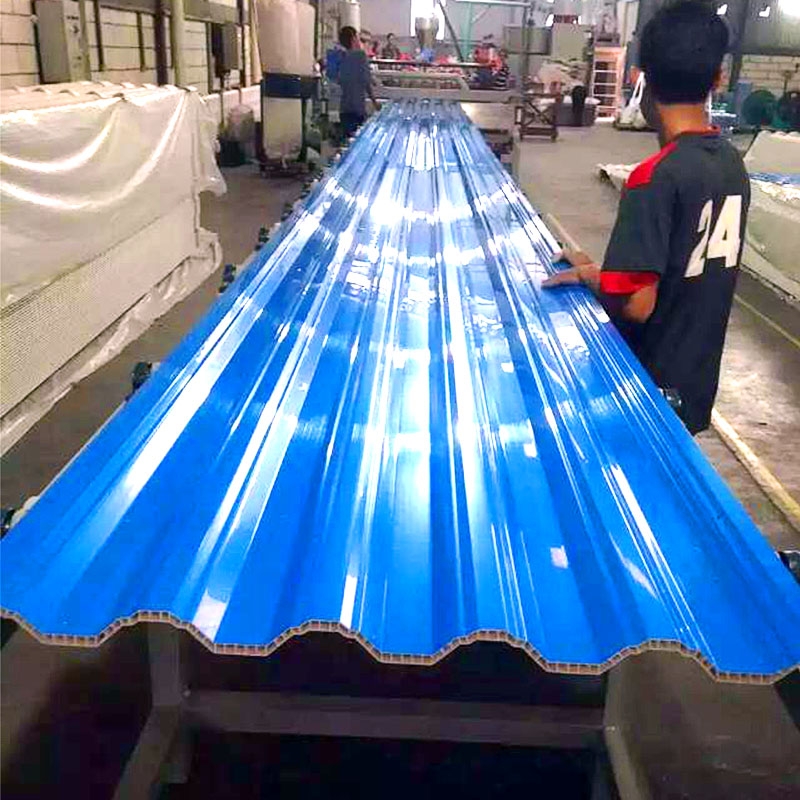
The production equipment for ASA/PVC hollow tiles is the same as that for ASA synthetic resin tiles, using a plastic tile molding machine. However, the extrusion mold is different and includes a vacuum forming section. The structure is simple, and operation is easy. Since the mold and forming sections differ from ASA synthetic resin tiles, with less adjustability, there is a higher demand for the flow properties of ASA color co-extrusion material. Common ASA materials may experience defects such as flow marks, whitening, streaking, and unevenness.
General Plastics:Commonly referred to as general plastics, these are large in production, low in cost, versatile, and widely used. Examples include polyethylene, polypropylene, polyvinyl chloride, polystyrene, ABS (acrylonitrile-butadiene-styrene), polymethyl methacrylate, and amino plastics. They constitute over 90% of the total plastic production, earning them the name “bulk plastics.”
Engineering Plastics: These plastics serve as engineering materials and can replace metal in manufacturing machine components. Engineering plastics exhibit excellent comprehensive performance, high rigidity, low creep, high mechanical strength, good heat resistance, good electrical insulation, and can be used long-term in demanding chemical and physical environments. They can substitute for metals as structural materials in engineering. However, they are more expensive and have a smaller production volume. Engineering plastics can be further divided into general engineering plastics and special engineering plastics. Examples of general engineering plastics include polyamide, polycarbonate, polyoxymethylene, modified polyphenylene ether, and thermoplastic polyester. Special engineering plastics include heat-resistant plastics with a temperature resistance above 150°C, such as polyimide, polysulfide, polyarylate, aromatic polyamide, polyarylester, polyphenylene ester, polyaryletherketone, liquid crystal polymers, and fluororesins.
By Thermal Forming Processing Performance
Thermosetting Plastics:These plastics soften and flow during the first heating, undergo a chemical reaction to crosslink and solidify at a certain temperature, and this change is irreversible. They cannot soften and flow again upon reheating. Examples include phenolic, urea-formaldehyde, melamine-formaldehyde, epoxy, unsaturated polyester, and organosilicon plastics. Thermosetting plastics form a three-dimensional network structure after resin curing, making them unable to melt or dissolve in solvents. They are commonly used in applications requiring heat insulation, wear resistance, insulation, and high-voltage electrical properties.
Thermoplastic Plastics:These plastics soften and flow when heated, solidify when cooled, and this process is reversible. Examples include polyethylene, polypropylene, polyvinyl chloride, polystyrene, polyacetal, polyethylene terephthalate, and polyamides. Thermoplastic plastics have linear or branched molecular structures, and there are no chemical bonds formed between molecular chains during the molding process. They soften upon heating and solidify upon cooling, undergoing a physical change.
By Transparency
Transparent Plastics:Plastics with a light transmittance of over 88% are classified as transparent plastics. Examples include polymethyl methacrylate (PMMA), polystyrene (PS), polycarbonate (PC), and Z-polyester.
Translucent Plastics:Examples include polypropylene (PP), polyvinyl chloride (PVC), polyethylene (PE), acrylonitrile-styrene (AS), polyethylene terephthalate (PET), methyl methacrylate-butadiene-styrene (MBS), and polystyrene film (PSF).
Opaque Plastics:Mainly include polyoxymethylene (POM), polyamide (PA), ABS, high-impact polystyrene (HIPS), and polyphenylene oxide (PPO).
By Hardness
Hard Plastics:Examples include ABS, POM, PS, PMMA, PC, PET, PBT, and PPO.
Semi-Hard Plastics:Examples include PP, PE, PA, and PVC.
Soft Plastics:Examples include soft PVC, thermoplastic elastomers (TPE), thermoplastic rubber (TPR), ethylene-vinyl acetate (EVA), and thermoplastic polyurethane (TPU).
By Chemical Structure
Polyolefin Plastics:Examples include LDPE, MDPE, HDPE, LLDPE, UHMWPE, and PP.
Polystyrene Plastics:Examples include PS, AS, BS, ABS, MBS, and HIPS.
Polyamide Plastics:Examples include PA6, PA66, PA610, PA10T, and PA612.
Polyether Plastics:Examples include PEEK, POM, PPS, and PPO.
ASA color co-extruded material, renowned for its exceptional weather resistance and outstanding decorative features, is extensively used in the ASA synthetic resin tile industry. Even when exposed to prolonged harsh conditions such as ultraviolet radiation, humidity, and extreme temperatures, it maintains stable color and physical performance. It has been successfully applied in key projects such as the Beijing Olympics, Shanghai World Expo, and Guangzhou Asian Games, making significant contributions to the transformation of city appearances and energy conservation efforts.
Adjustment Methods for ASA Synthetic Resin Tile Production Process:
Excessive Compound of ASA on Both Sides of Resin Tile:
Reduce the temperatures of zones 1, 2, 3, 4 of the ASA extruder screw barrel, with set values in the range of 180 to 185 degrees.
Slightly decrease the ASA extruder screw speed, adjusting within a range of approximately 1 rotation based on on-site conditions.
Variation in ASA Colors During Production:
Adjust ASA extrusion speed as needed during the production of resin tiles. The extrusion speed is not fixed and can be adjusted up or down.
Covering Issue on the Surface of Resin Tiles:
Increase the upper-layer temperature in the problematic area of the clothing rack film (within the range of 210 to 230 degrees) as a normal process adjustment.
Moderately increase the ASA machine screw speed until the issue is resolved.
https://www.excelchemic.com/wp-content/uploads/2023/12/Common-Issues-and-Solutions-in-ASA-Production.jpg600800Alexhttps://excelchemic.com/wp-content/uploads/2023/11/logo-4-3-300x72.jpgAlex2023-12-30 03:31:282023-12-30 12:30:43Common Issues and Solutions in ASA Production
ASA color co-extruded material, with its outstanding weather resistance and excellent decorative qualities, is widely utilized in the ASA synthetic resin tile industry. Even under prolonged exposure to harsh conditions such as ultraviolet radiation, humidity, and extreme temperatures, it maintains stable color and physical performance. It has been successfully applied in key projects such as the Beijing Olympics, Shanghai World Expo, and Guangzhou Asian Games, contributing significantly to the transformation of city appearances and energy conservation efforts.
ExcelChemic, with its excellent products and services, has earned the favor of customers both domestically and abroad.
Product Key Features:
ASA color co-extruded material exhibits enduring, rich, and vibrant colors with no apparent color deviation.
The co-extruded surface coverage is uniform, ensuring stable processing. Each ton of ASA color co-extruded material can produce over 7000 square meters. When used as a substitute in pure PVC tile projects, it can produce around 11,000 square meters. This not only mitigates the risks of discoloration, powdering, and brittleness associated with pure PVC tiles but also effectively controls costs.
The product surface is scratch-resistant and offers various options such as high gloss or matte finishes.
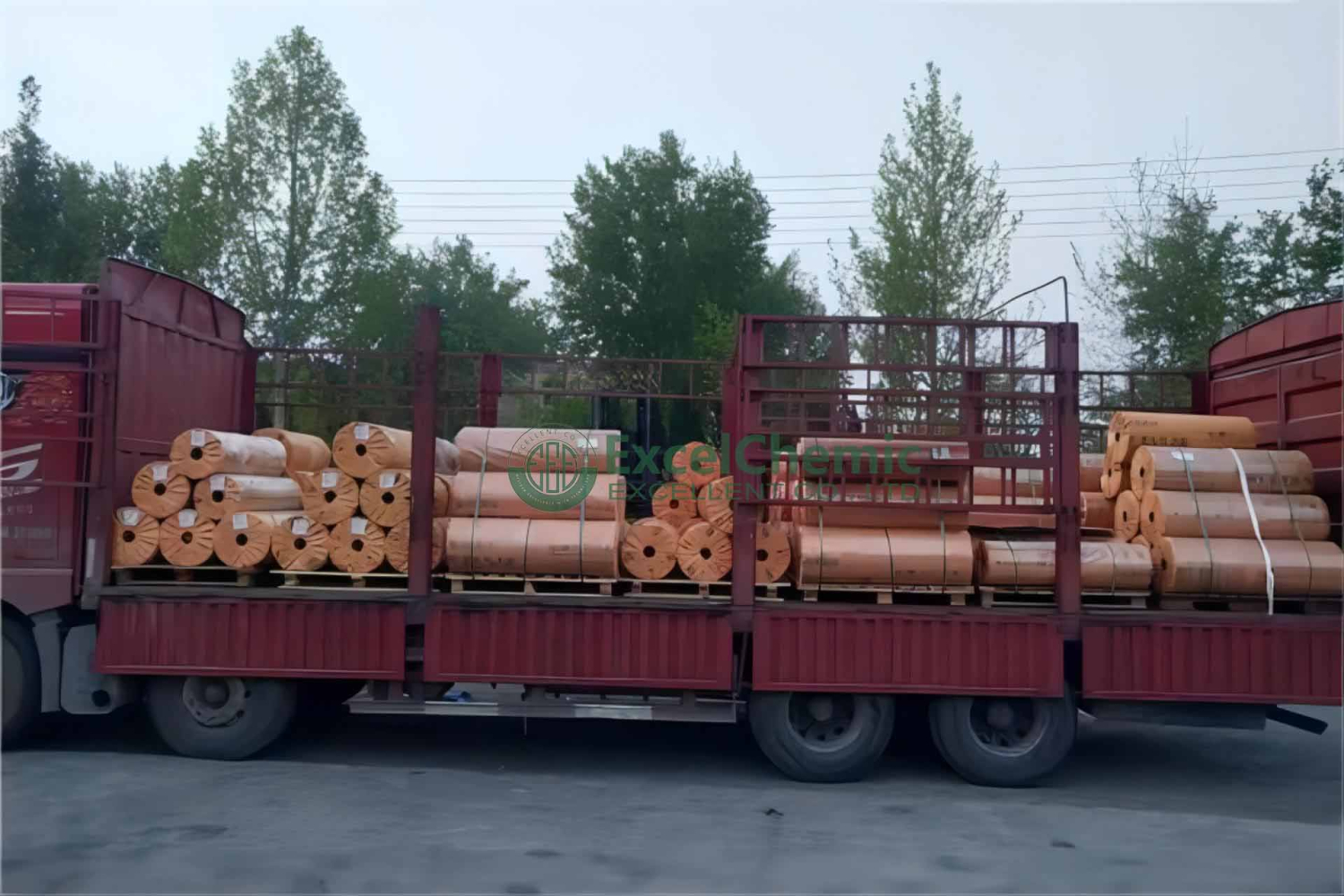
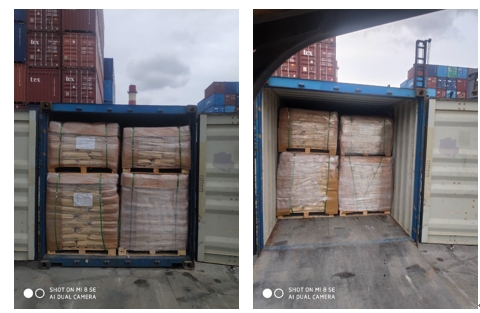
https://www.excelchemic.com/wp-content/uploads/2023/12/First-Shipment-in-2024.jpg313480Alexhttps://excelchemic.com/wp-content/uploads/2023/11/logo-4-3-300x72.jpgAlex2023-12-30 03:03:552023-12-30 03:04:48First Shipment in 2024! Thanks for the Support of Our Overseas Customers
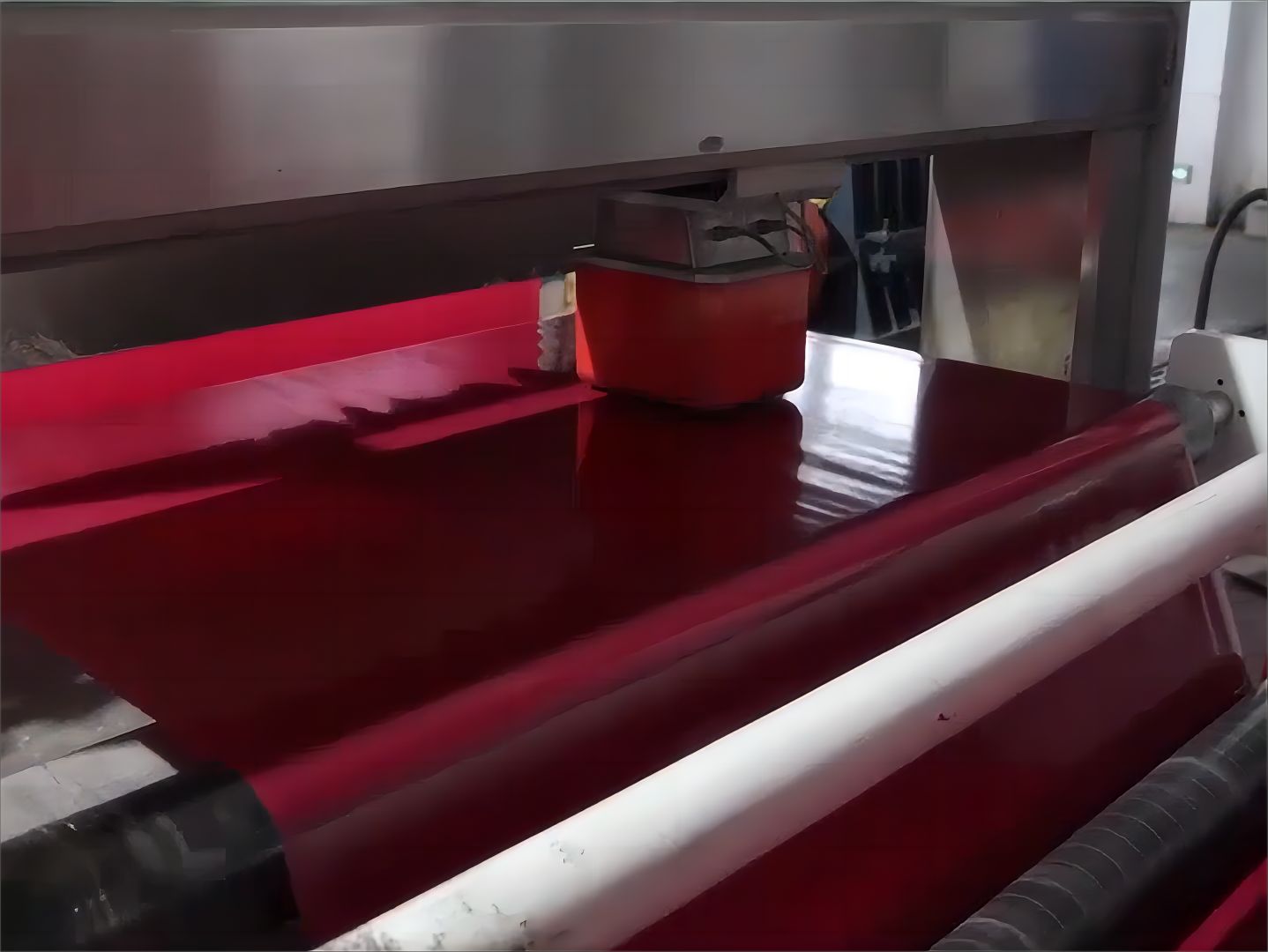
ASA Ultra-Weather-Resistant Film is characterized by its enduring and vibrant colors, excellent weather resistance, resistance to chemical corrosion, and self-cleaning properties. It finds applications in the field of synthetic resin tiles, protective wall panels, decorative panels, and more. Popular color options include shades of gray, blue-gray, brick red, dark green, blue, green, and maroon. The thickness ranges from 60 to 200 micrometers, with a width of ≤1280mm and a roll length of 1500m.
Specifications:
Full Name: Acrylic Ester-Acrylonitrile-Styrene Resin Film
Abbreviation: ASA Film
Production Process: Extrusion traction and stretching molding
Production Equipment: Cast Film Production Line
Thickness Range: 60-200 micrometers
Heat Shrinkage Rate: Within ±0.5%
Key Features:
Exceptional weather resistance
Main Applications:
Resin tiles, protective wall panels, decorative panels, etc.
Advantages of ExcelChemic ASA Film:
ASA film, when colored with weather-resistant pigments, maintains color stability for around 15 years of outdoor exposure under sunlight (UV radiation, ozone, etc.).
After prolonged exposure to outdoor conditions, including sunlight (UV radiation, ozone), humidity, rain (acid rain), seawater (salt spray), and haze, ASA film retains stable physical properties. Its mechanical properties such as bending and tensile strength remain consistent.
In laboratory conditions, ASA film immersed in diluted hydrochloric acid, nitric acid, NaOH alkali, and other strong acids and bases maintains its physical properties.
Outdoor dust, sewage, and other pollutants cannot linger on ASA resin film. It is resistant to dust adsorption and does not easily accumulate dirt, demonstrating a typical “lotus leaf effect.”
ASA film exhibits minimal heat shrinkage, with a shrinkage rate within ±0.5% at temperatures around 80°C, providing a wide thermal processing range.
The use of ASA film reduces environmental pollution compared to paint spraying, offering promising application prospects.
https://www.excelchemic.com/wp-content/uploads/2023/12/Introduction-to-ASA-Weather-Resistant-Film.jpg12801920Alexhttps://excelchemic.com/wp-content/uploads/2023/11/logo-4-3-300x72.jpgAlex2023-12-28 12:50:202023-12-30 12:43:13Introduction to ASA Weather-Resistant Film
For hot and humid climates, when using a hollow structure for roofing materials, the selection of ASA color co-extruded material must meet the following conditions:
Firstly, it must meet the requirements for long-term resistance to strong ultraviolet radiation, high temperatures, high humidity, and intense heat.
Secondly, it must meet the process requirements of the hollow design.
The design approach for specialized ASA color co-extruded material for hollow tiles is as follows:
Select high-grade weather-resistant pigments to withstand intense ultraviolet erosion.
Increase coverage to resist direct exposure to high-intensity sunlight.
Increase the dosage of antioxidants, heat-resistant agents, and anti-aging agents to ensure long-term durability in high-humidity and high-temperature environments.
Adjust material flowability to meet the specific requirements of hollow mold channels, ensuring uniformity on the co-extruded surface.
ExcelChemic’s ASA color co-extruded material, with its outstanding weather resistance and excellent decorative properties, is widely used in the ASA synthetic resin tile industry. Even when exposed to prolonged ultraviolet radiation, humidity, and harsh temperature fluctuations, it maintains stable color and physical performance.
https://www.excelchemic.com/wp-content/uploads/2023/12/ASA-Color-Co-Extruded-Material-for-Hollow-Tiles.jpg338680Alexhttps://excelchemic.com/wp-content/uploads/2023/11/logo-4-3-300x72.jpgAlex2023-12-28 12:34:142023-12-28 12:34:14ASA Color Co-Extruded Material for Hollow Tiles
ASA, an acronym for Acrylonitrile Styrene Acrylate, is a graft copolymer of acrylic ester, acrylonitrile, and styrene. The outer layer consists of graft polystyrene-acrylonitrile copolymer, abbreviated as SAN, while the core of the copolymer is polybutyl acrylate rubber, abbreviated as PBA.
ASA possesses an exceptionally strong resistance to ultraviolet (UV) radiation, making it suitable for outdoor injection-molded products exposed to direct sunlight, ensuring resistance against UV fading and yellowing.
Four Key Advantages of ASA:
Mechanical and Physical Properties: ASA exhibits excellent mechanical and physical performance.
Weather Resistance: ASA demonstrates strong resistance to weathering.
High-Temperature Resistance: ASA performs well under high-temperature conditions.
Antistatic Properties: ASA acts as an antistatic material, reducing the accumulation of dust on the surface.
Polymeric materials with double bonds are susceptible to the opening of these bonds by the intense ultraviolet radiation from sunlight, leading to a decline in the aging resistance of the polymer.
ASA addresses this issue by substituting unsaturated double bonds in the butadiene rubber of ABS with acrylic acid rubber that lacks such bonds. This substitution not only resists degradation, aging, and fading caused by UV exposure but also provides robust protection against decomposition or discoloration resulting from high temperatures during oxidative processing in the atmosphere. Consequently, this significantly enhances the material’s resistance to aging and weathering.
According to test results, ASA exhibits aging resistance more than ten times that of ABS.
https://www.excelchemic.com/wp-content/uploads/2023/12/ASA-monomers.png9691024Alexhttps://excelchemic.com/wp-content/uploads/2023/11/logo-4-3-300x72.jpgAlex2023-12-28 12:25:382023-12-28 12:25:38Advantages of ASA Weather-Resistant and UV-Resistant Properties
In the production process of synthetic resin tiles, a crucial step is co-extrusion. In this manufacturing process, the flow properties of ASA co-extrusion material, the compatibility with PVC base material, the amount of added water-cut material in PVC base material, the quality of the mold, temperature control, the technical proficiency of operators, and their sense of responsibility all have direct and indirect impacts on the uniformity, whitening, scratching, impact resistance, weather resistance, and other quality aspects of the PVC tile surface.
ExcelChemic’s ASA weather-resistant functional film, in comparison to co-extrusion and composite technologies, brings revolutionary changes. It effectively addresses the influences of the mentioned factors on product quality. Through modification technology, the composite of ASA film and PVC tiles prevents layering and cracking. It meets quality requirements in high and low-temperature resistance experiments without film layer separation.
Our ASA weather-resistant film exhibits higher toughness than commercially available co-extruded ASA materials, with superior tensile and impact strength. Consequently, under the same PVC tile strength, it significantly reduces the cost of PVC base materials. For every percentage point increase in the toughness of ASA weather-resistant film, the co-extrusion cost of PVC tiles can be reduced by 20-30 percentage points. Using high-toughness ASA weather-resistant film proves to be an effective means of cost savings.
https://www.excelchemic.com/wp-content/uploads/2023/12/Application-of-ASA-Material-in-PVC-Resin-Tiles.jpg10801438Alexhttps://excelchemic.com/wp-content/uploads/2023/11/logo-4-3-300x72.jpgAlex2023-12-28 11:47:382023-12-28 11:47:38Application of ASA Material in PVC Resin Tiles