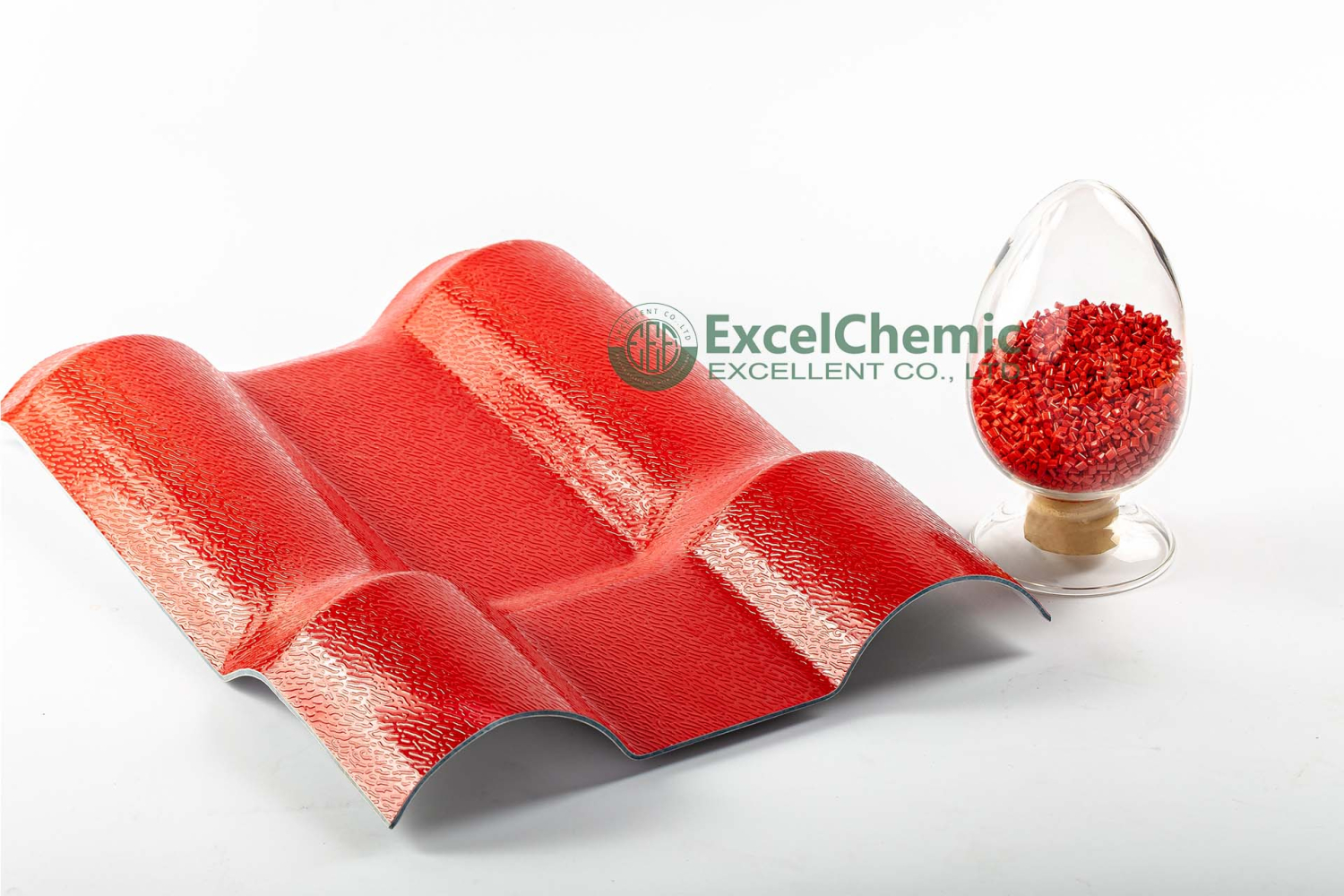
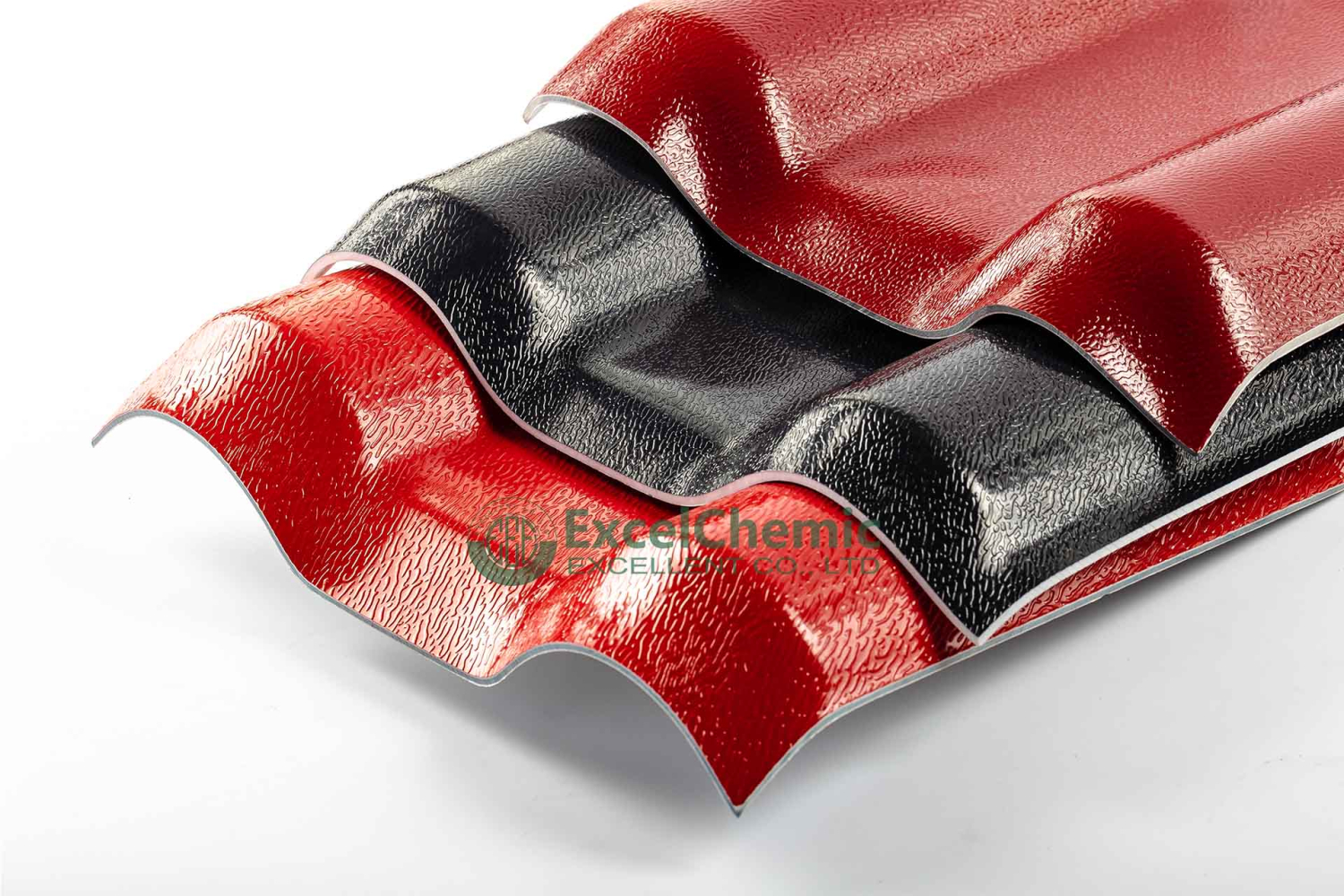
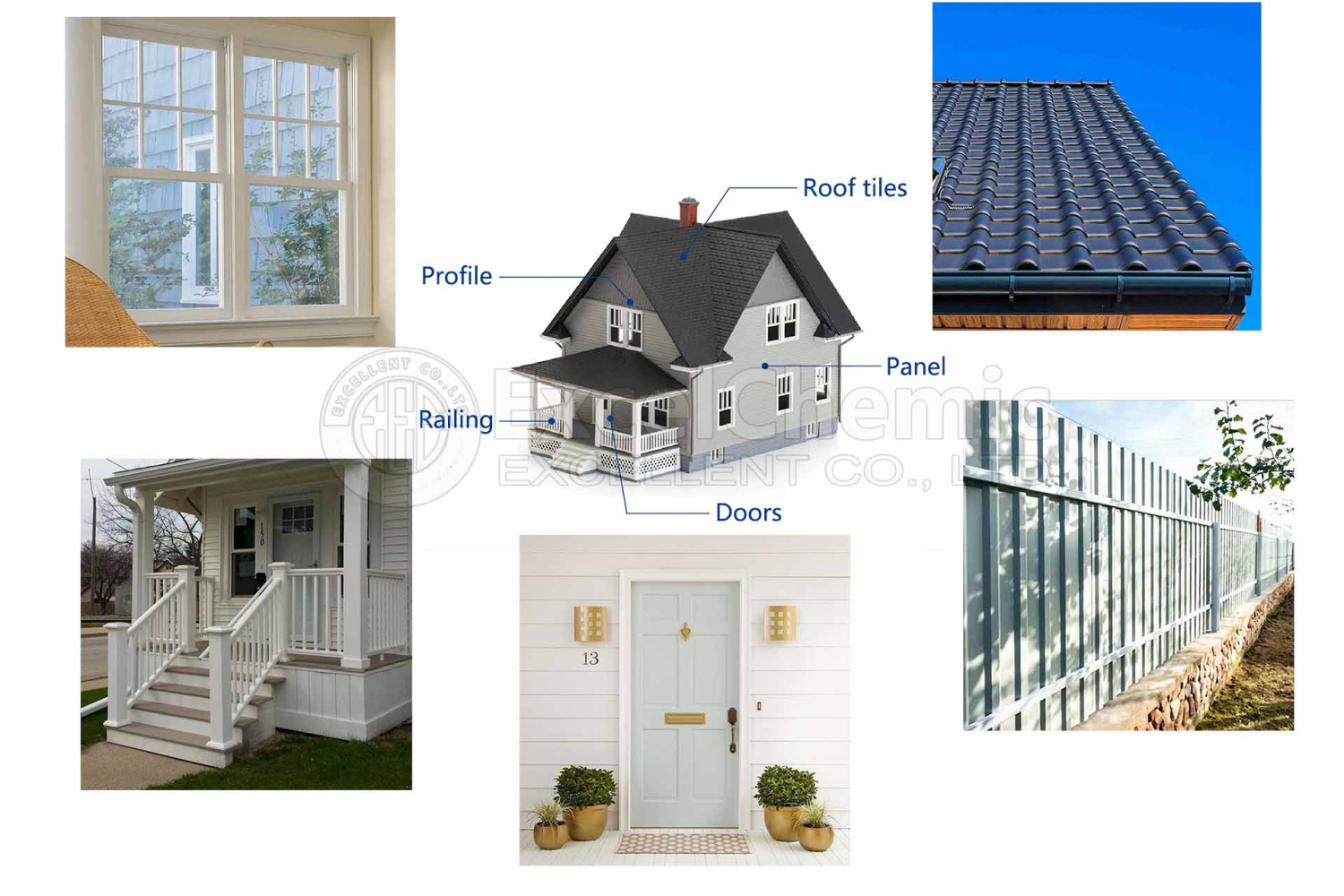
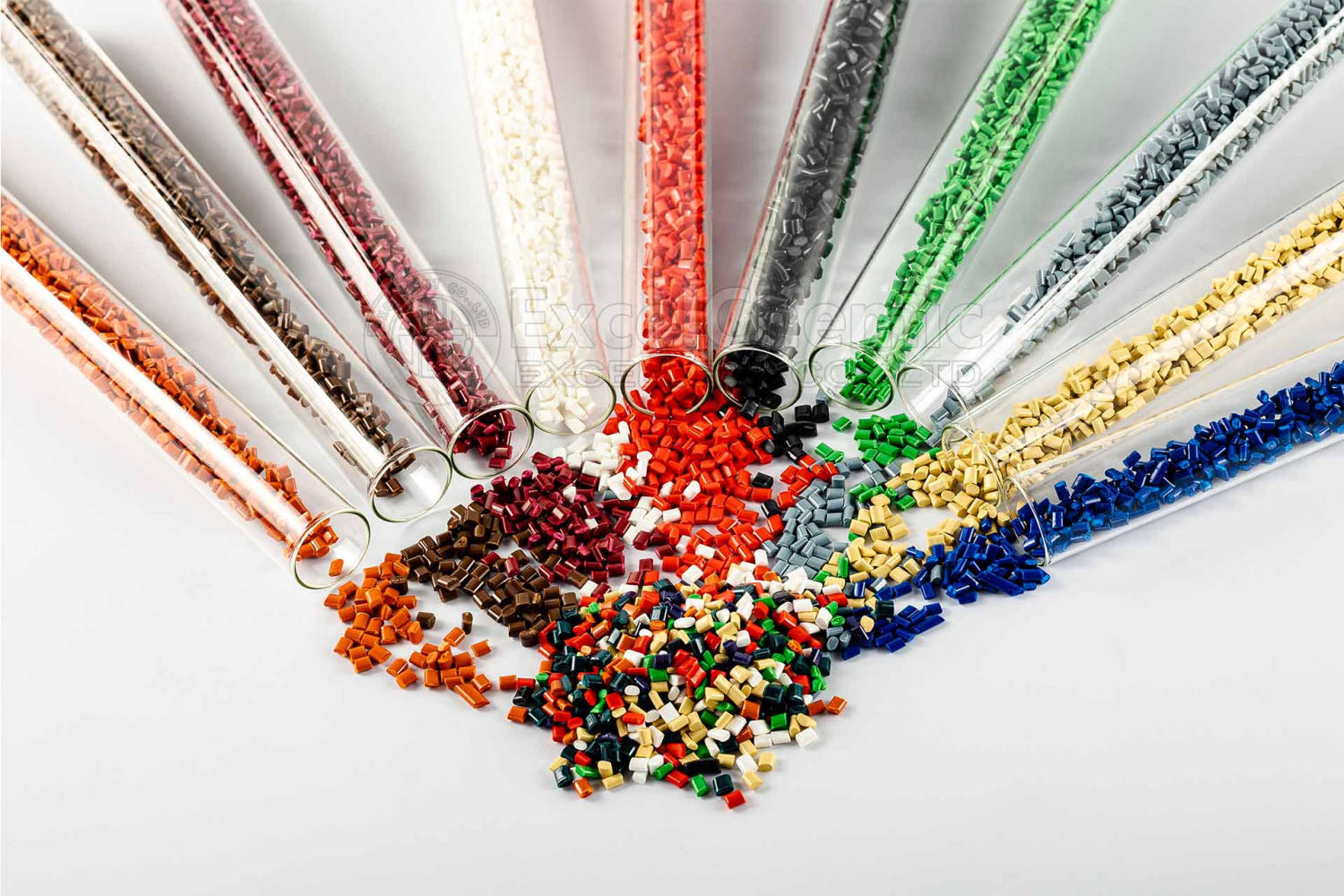
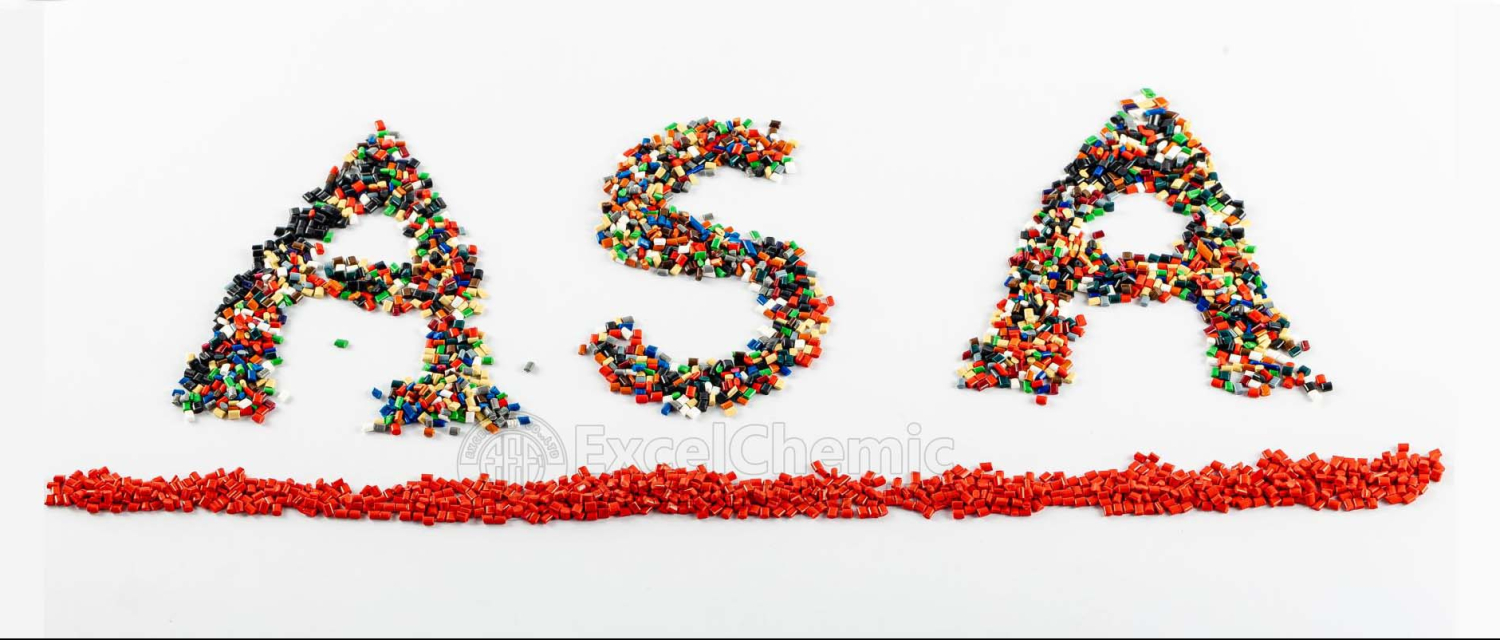
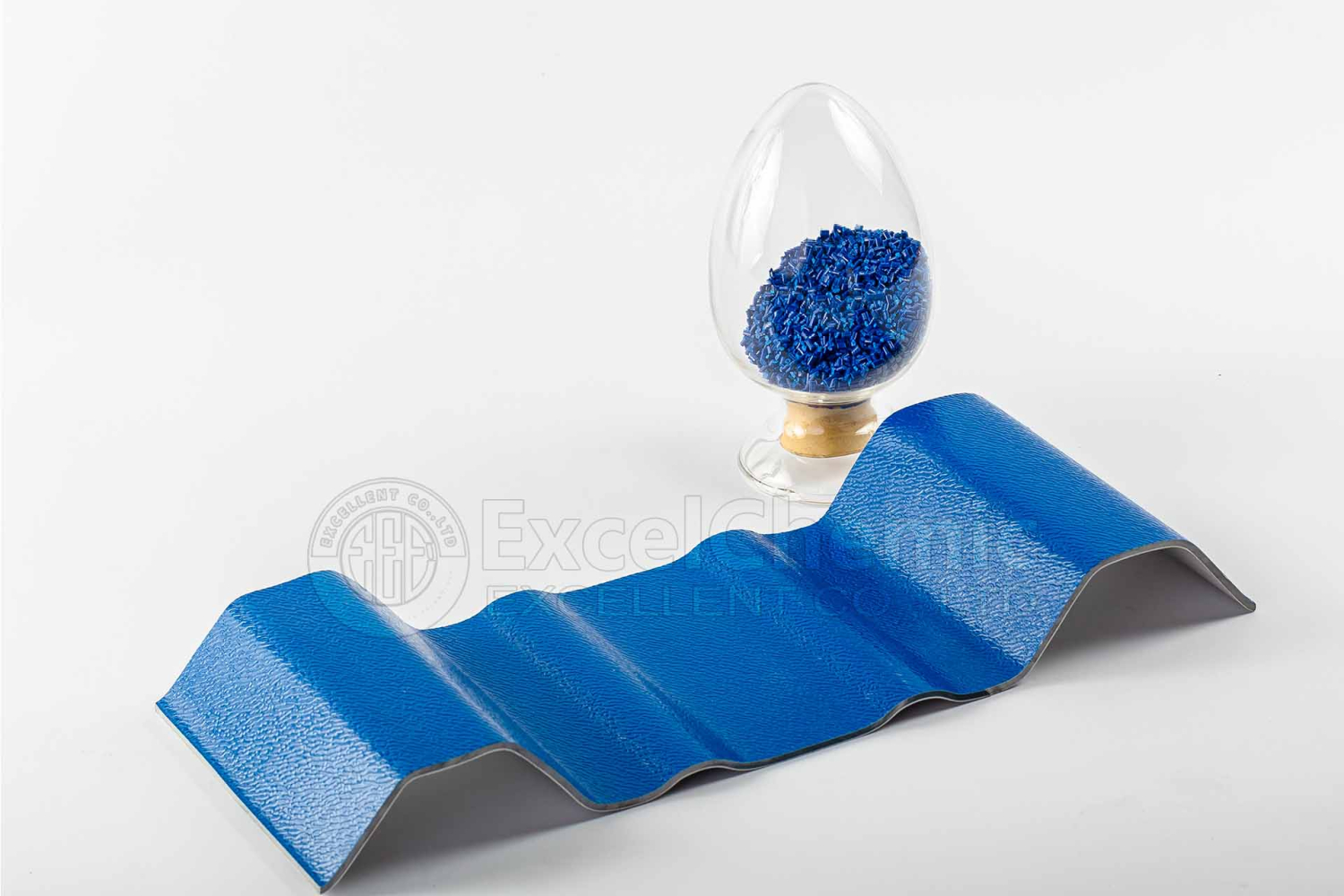
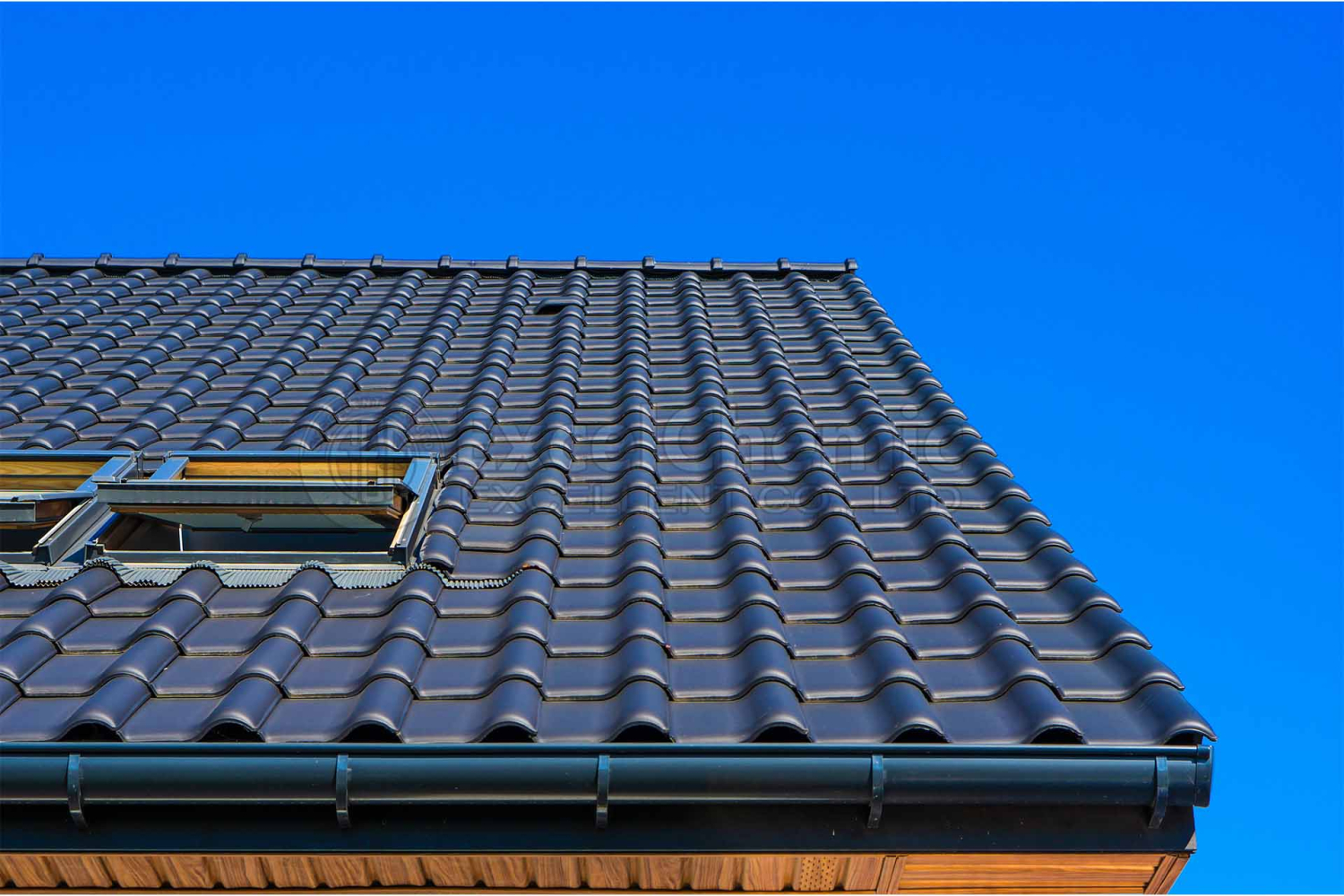
ASA Ultra-Weather-Resistant Film is characterized by its enduring and vibrant colors, excellent weather resistance, resistance to chemical corrosion, and self-cleaning properties. It finds applications in the field of synthetic resin tiles, protective wall panels, decorative panels, and more. Popular color options include shades of gray, blue-gray, brick red, dark green, blue, green, and maroon. The thickness ranges from 60 to 200 micrometers, with a width of ≤1280mm and a roll length of 1500m.
Specifications:
Full Name: Acrylic Ester-Acrylonitrile-Styrene Resin Film
Abbreviation: ASA Film
Production Process: Extrusion traction and stretching molding
Production Equipment: Cast Film Production Line
Thickness Range: 60-200 micrometers
Heat Shrinkage Rate: Within ±0.5%
Key Features:
Exceptional weather resistance
Main Applications:
Resin tiles, protective wall panels, decorative panels, etc.
Advantages of ExcelChemic ASA Film:
ASA film, when colored with weather-resistant pigments, maintains color stability for around 15 years of outdoor exposure under sunlight (UV radiation, ozone, etc.).
After prolonged exposure to outdoor conditions, including sunlight (UV radiation, ozone), humidity, rain (acid rain), seawater (salt spray), and haze, ASA film retains stable physical properties. Its mechanical properties such as bending and tensile strength remain consistent.
In laboratory conditions, ASA film immersed in diluted hydrochloric acid, nitric acid, NaOH alkali, and other strong acids and bases maintains its physical properties.
Outdoor dust, sewage, and other pollutants cannot linger on ASA resin film. It is resistant to dust adsorption and does not easily accumulate dirt, demonstrating a typical “lotus leaf effect.”
ASA film exhibits minimal heat shrinkage, with a shrinkage rate within ±0.5% at temperatures around 80°C, providing a wide thermal processing range.
The use of ASA film reduces environmental pollution compared to paint spraying, offering promising application prospects.
https://www.excelchemic.com/wp-content/uploads/2023/12/Introduction-to-ASA-Weather-Resistant-Film.jpg12801920Alexhttps://excelchemic.com/wp-content/uploads/2023/11/logo-4-3-300x72.jpgAlex2023-12-28 12:50:202023-12-30 12:43:13Introduction to ASA Weather-Resistant Film
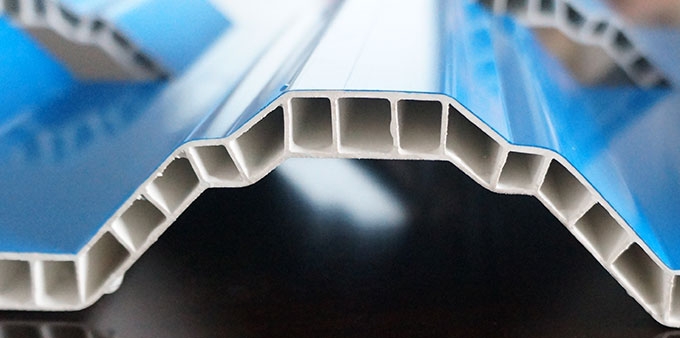
For hot and humid climates, when using a hollow structure for roofing materials, the selection of ASA color co-extruded material must meet the following conditions:
Firstly, it must meet the requirements for long-term resistance to strong ultraviolet radiation, high temperatures, high humidity, and intense heat.
Secondly, it must meet the process requirements of the hollow design.
The design approach for specialized ASA color co-extruded material for hollow tiles is as follows:
Select high-grade weather-resistant pigments to withstand intense ultraviolet erosion.
Increase coverage to resist direct exposure to high-intensity sunlight.
Increase the dosage of antioxidants, heat-resistant agents, and anti-aging agents to ensure long-term durability in high-humidity and high-temperature environments.
Adjust material flowability to meet the specific requirements of hollow mold channels, ensuring uniformity on the co-extruded surface.
ExcelChemic’s ASA color co-extruded material, with its outstanding weather resistance and excellent decorative properties, is widely used in the ASA synthetic resin tile industry. Even when exposed to prolonged ultraviolet radiation, humidity, and harsh temperature fluctuations, it maintains stable color and physical performance.
https://www.excelchemic.com/wp-content/uploads/2023/12/ASA-Color-Co-Extruded-Material-for-Hollow-Tiles.jpg338680Alexhttps://excelchemic.com/wp-content/uploads/2023/11/logo-4-3-300x72.jpgAlex2023-12-28 12:34:142023-12-28 12:34:14ASA Color Co-Extruded Material for Hollow Tiles
ASA, an acronym for Acrylonitrile Styrene Acrylate, is a graft copolymer of acrylic ester, acrylonitrile, and styrene. The outer layer consists of graft polystyrene-acrylonitrile copolymer, abbreviated as SAN, while the core of the copolymer is polybutyl acrylate rubber, abbreviated as PBA.
ASA possesses an exceptionally strong resistance to ultraviolet (UV) radiation, making it suitable for outdoor injection-molded products exposed to direct sunlight, ensuring resistance against UV fading and yellowing.
Four Key Advantages of ASA:
Mechanical and Physical Properties: ASA exhibits excellent mechanical and physical performance.
Weather Resistance: ASA demonstrates strong resistance to weathering.
High-Temperature Resistance: ASA performs well under high-temperature conditions.
Antistatic Properties: ASA acts as an antistatic material, reducing the accumulation of dust on the surface.
Polymeric materials with double bonds are susceptible to the opening of these bonds by the intense ultraviolet radiation from sunlight, leading to a decline in the aging resistance of the polymer.
ASA addresses this issue by substituting unsaturated double bonds in the butadiene rubber of ABS with acrylic acid rubber that lacks such bonds. This substitution not only resists degradation, aging, and fading caused by UV exposure but also provides robust protection against decomposition or discoloration resulting from high temperatures during oxidative processing in the atmosphere. Consequently, this significantly enhances the material’s resistance to aging and weathering.
According to test results, ASA exhibits aging resistance more than ten times that of ABS.
https://www.excelchemic.com/wp-content/uploads/2023/12/ASA-monomers.png9691024Alexhttps://excelchemic.com/wp-content/uploads/2023/11/logo-4-3-300x72.jpgAlex2023-12-28 12:25:382023-12-28 12:25:38Advantages of ASA Weather-Resistant and UV-Resistant Properties
In the production process of synthetic resin tiles, a crucial step is co-extrusion. In this manufacturing process, the flow properties of ASA co-extrusion material, the compatibility with PVC base material, the amount of added water-cut material in PVC base material, the quality of the mold, temperature control, the technical proficiency of operators, and their sense of responsibility all have direct and indirect impacts on the uniformity, whitening, scratching, impact resistance, weather resistance, and other quality aspects of the PVC tile surface.
ExcelChemic’s ASA weather-resistant functional film, in comparison to co-extrusion and composite technologies, brings revolutionary changes. It effectively addresses the influences of the mentioned factors on product quality. Through modification technology, the composite of ASA film and PVC tiles prevents layering and cracking. It meets quality requirements in high and low-temperature resistance experiments without film layer separation.
Our ASA weather-resistant film exhibits higher toughness than commercially available co-extruded ASA materials, with superior tensile and impact strength. Consequently, under the same PVC tile strength, it significantly reduces the cost of PVC base materials. For every percentage point increase in the toughness of ASA weather-resistant film, the co-extrusion cost of PVC tiles can be reduced by 20-30 percentage points. Using high-toughness ASA weather-resistant film proves to be an effective means of cost savings.
https://www.excelchemic.com/wp-content/uploads/2023/12/Application-of-ASA-Material-in-PVC-Resin-Tiles.jpg10801438Alexhttps://excelchemic.com/wp-content/uploads/2023/11/logo-4-3-300x72.jpgAlex2023-12-28 11:47:382023-12-28 11:47:38Application of ASA Material in PVC Resin Tiles
The uniformity of the co-extruded surface is a crucial quality indicator when using ASA resin tiles, with the typical co-extruded layer thickness ranging around 0.1-0.15 mm.
Uneven thickness can be visually observed, resulting in an inconsistent color of the co-extruded surface. In such cases, it is essential to inspect the heating components of the equipment, such as the distributor heating section and mold heating section, for any issues related to temperature overheating or being too low. Additionally, when procuring ASA co-extrusion materials, it is advisable to choose suppliers with a reliable reputation for quality.
Our company has been dedicated to the research, development, production, and sales of ASA materials for over a decade. We not only provide high-quality ASA materials but also assist manufacturers in resolving various practical production issues. When making purchasing decisions, it is crucial to avoid blindly pursuing lower prices solely for cost control. In case of any issues, please feel free to contact our company promptly, and we will do our utmost to provide you with solutions.
https://www.excelchemic.com/wp-content/uploads/2023/12/ExcelChemic-ASA-Film-Becomes-a-Hot-Seller-in-Overseas-Markets-1.jpg12801920Alexhttps://excelchemic.com/wp-content/uploads/2023/11/logo-4-3-300x72.jpgAlex2023-12-28 11:25:162023-12-28 11:25:16Reasons for the Inconsistent Color of Co-Extruded Surface in Resin Tiles
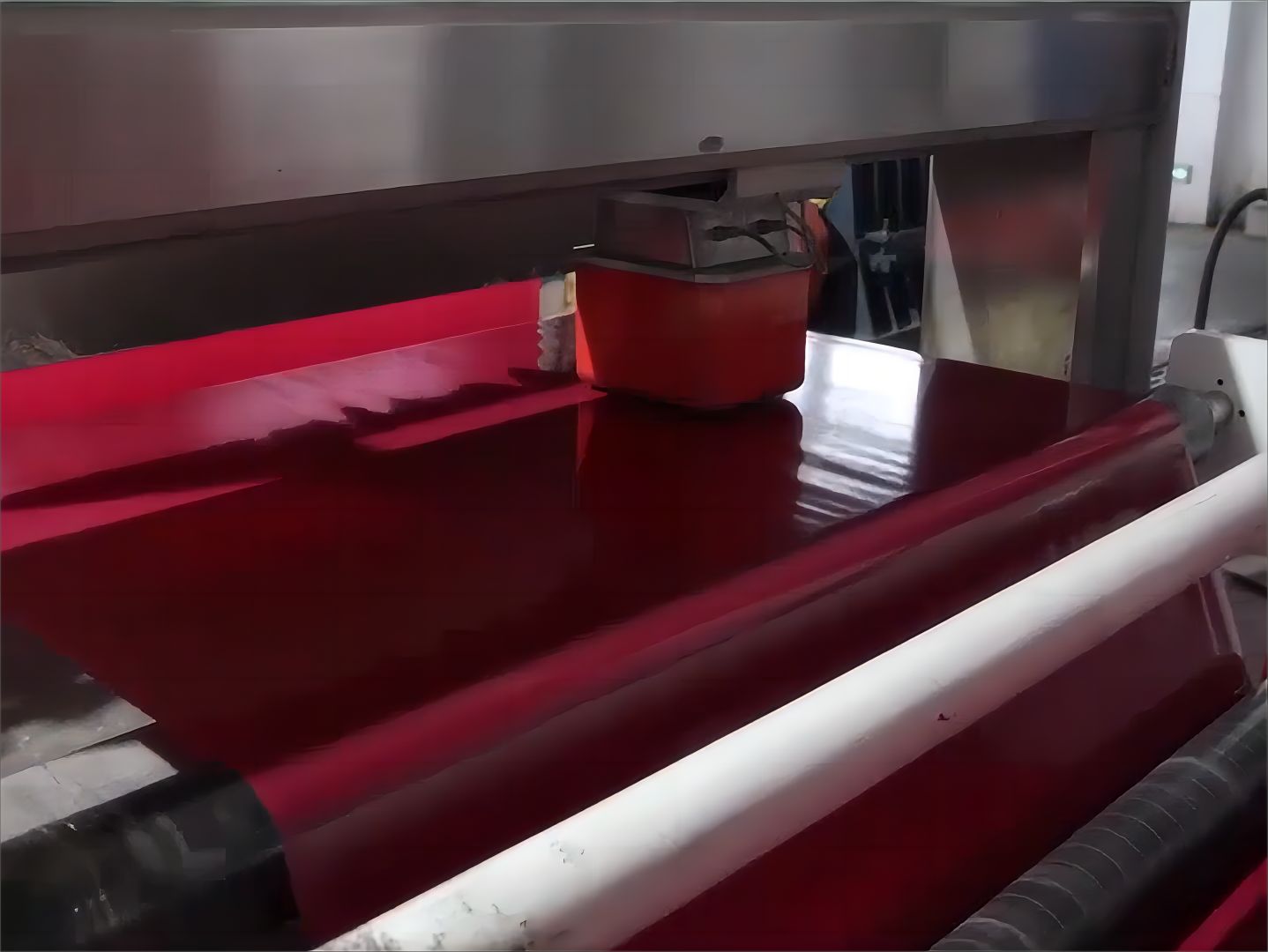
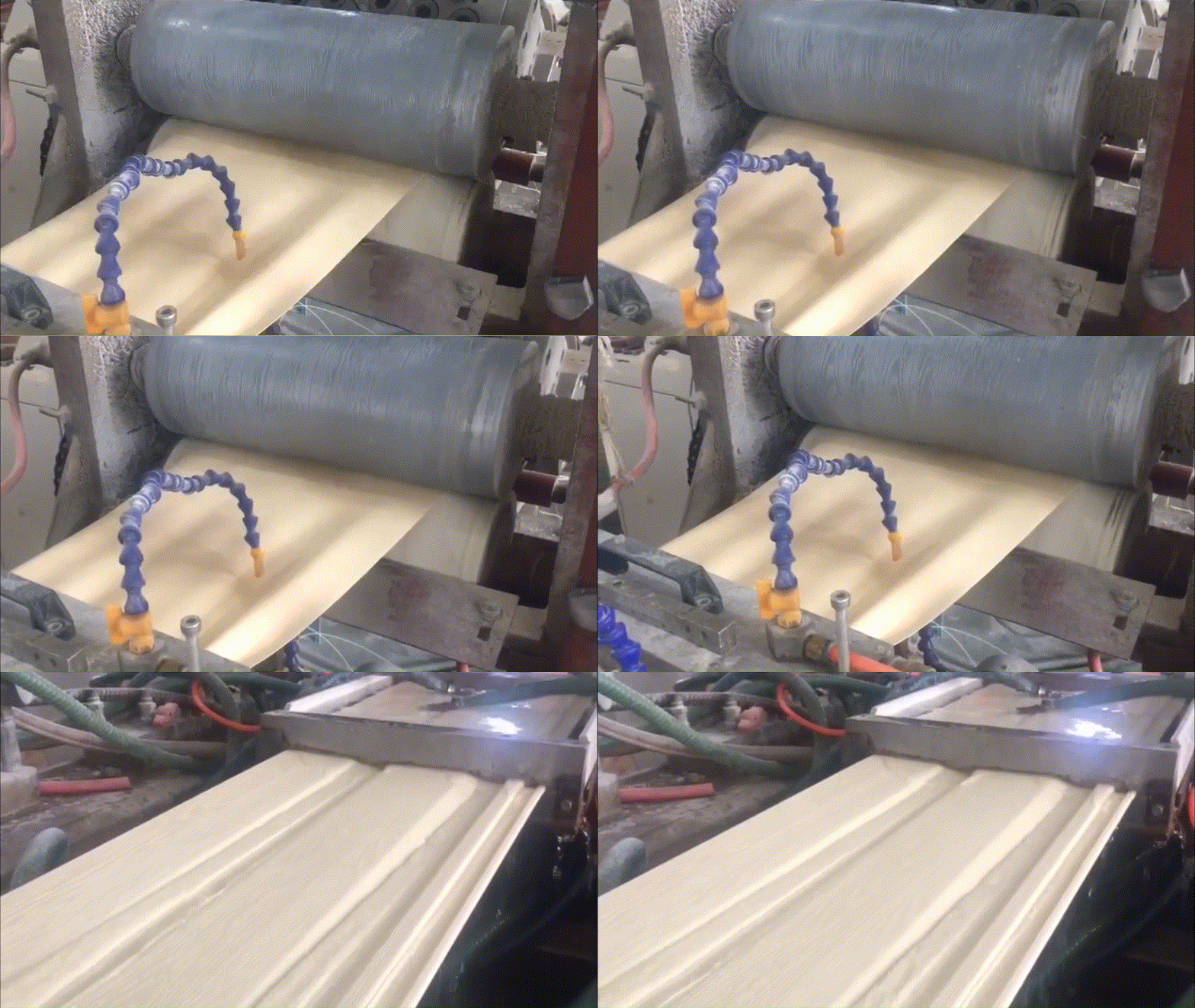
The provided video is merely a demonstration of how ASA roof tiles are produced. There are no issues with the products shown in the video
The drying time and temperature settings are not in accordance with the process requirements.
The drying time and temperature settings should comply with the performance of the co-extrusion material used, especially in terms of water absorption and volatility. Our company provides drying time and technical parameters for ASA material. For example, if the drying conditions for ASA are set at 95-98℃ for 1.5-2 hours (hot air drying), failure to meet these requirements may result in surface “bubbling” and a rough texture during co-extrusion.
The vacuum system of the main tile machine is malfunctioning.
When the main machine’s vacuum system malfunctions during the formulation of tiles, the moisture and volatile substances present in the tile mix may cause “bubbling” during molding. The co-extruded layer may appear uneven, resembling a “raining-sand-beach-surface” looking, leading to an unattractive appearance.
https://www.excelchemic.com/wp-content/uploads/2023/12/Brief-Analysis-of-the-Reasons-for-the-Surface-Roughness-of-Co-extruded-Resin-Tile.jpg10801920Alexhttps://excelchemic.com/wp-content/uploads/2023/11/logo-4-3-300x72.jpgAlex2023-12-28 10:56:072023-12-28 10:56:07Brief Analysis of the Reasons for the Surface Roughness of Co-extruded Resin Tile
Among the various strengths of polymer resins, one of the most notable is their ability to enhance the longevity of products in the face of challenging weather conditions. This resilience not only extends the lifecycle of products but also proves instrumental in boosting consumer appeal. Weather resistance is a paramount focus for product manufacturers, especially in the ever-growing realm of outdoor applications, where materials like ASA play a pivotal role.Let’s delve into the ways in which ASA contributes to the prolonged lifespan of a diverse range of everyday outdoor applications.
Understanding ASA
Acrylonitrile Styrene Acrylate (ASA) stands out as a thermoplastic polymer renowned for its remarkable capacity to endure prolonged exposure to harsh environmental elements. In particular, ASA excels in withstanding the challenges posed by sunlight and moisture.
ASA serves as a solution to the limitations encountered with ABS (Acrylonitrile Butadiene Styrene). It uniquely combines UV stability and weather resistance without compromising its strength or aesthetic appeal. This translates to products utilizing ASA maintaining both durability and visual appeal—a crucial factor for discerning buyers.
ASA gained prominence in response to the growing demand for materials capable of withstanding harsh outdoor conditions. A prime example is the recent surge in popularity for outdoor renovations, including the incorporation of TVs and furniture into deck spaces, as well as the construction of backyard playgrounds and home siding. All these applications hinge on the crucial element of weather resistance.
Key Features of ASA
UV Resistance: ASA’s standout feature lies in its resistance to ultraviolet radiation, preserving color and mechanical properties even under prolonged exposure to sunlight.
Weatherability: Beyond UV resistance, ASA demonstrates excellent resistance to rain, snow, and temperature extremes, making it a preferred choice for outdoor applications.
Durability: ASA maintains high toughness and rigidity, rendering it suitable for demanding applications.
Given these features, ASA finds impressive utility in a wide array of outdoor applications.
Applications of ASA
The use of ASA materials is pervasive in our surroundings, with numerous examples of ASA supporting outdoor applications:
Automotive: ASA plays a vital role in the automotive industry, contributing to the durability and aesthetic appeal of components such as bumpers, mirror housings, and grille components.
Construction: In construction, ASA is instrumental in providing weather durability to window frames, siding, and roofing, surpassing the advantages offered by Polyvinyl Chloride (PVC). ASA’s enhanced UV resistance and maintenance of mechanical and aesthetic properties make it a preferable choice.
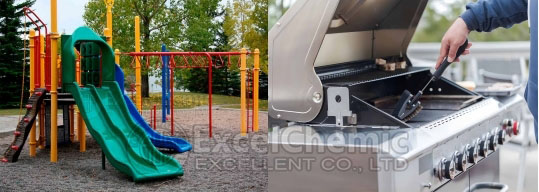
Outdoor Recreational Equipment: ASA supports outdoor furniture, playground equipment, and sports gear, not only emphasizing durability but also ensuring safety and longevity.
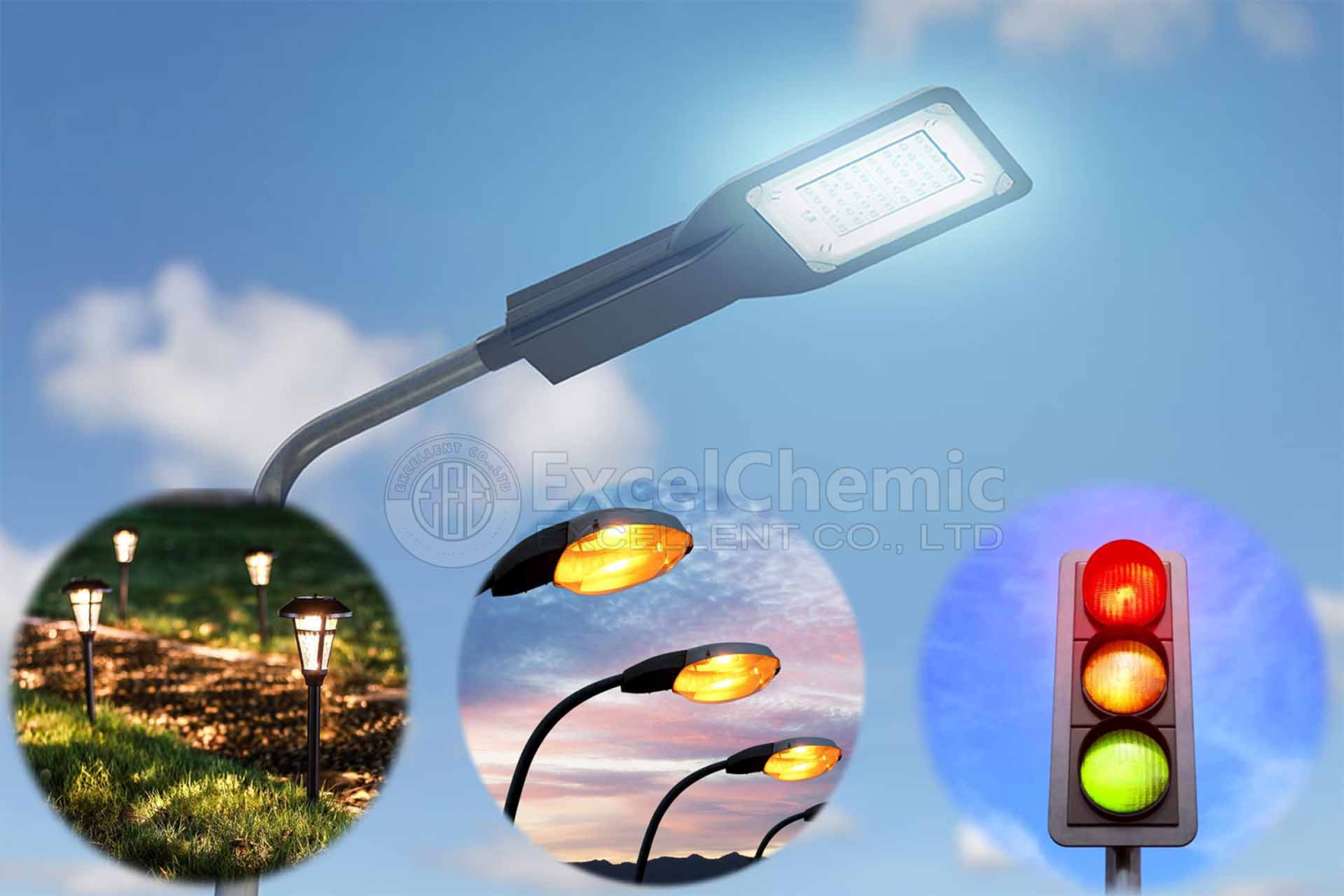
Additional Outdoor Products: ASA is integral to various outdoor products, including light fixture casings, bicycle parts, RVs and accessories, water sports equipment, camping gear, and high-end portable coolers.
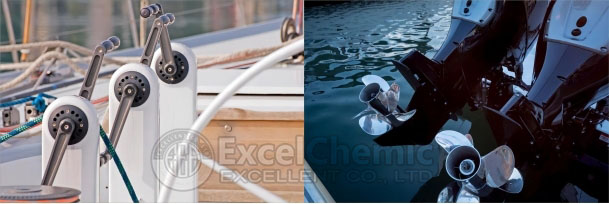
Marine Applications: ASA finds application in boat hulls and marine hardware, offering extreme weather resistance and addressing the challenges posed by saltwater exposure. Its impact resistance contributes to safety and durability in personal watercraft.
In conclusion, ASA’s widespread use in popular outdoor applications underscores its significant impact on the daily and seasonal products we rely on. ASA plays a crucial role in safeguarding homes, playgrounds, outdoor fixtures, and marine vessels from the rigors of the elements. As ASA continues to evolve, its applications in manufacturing are expanding, further solidifying its importance.
https://www.excelchemic.com/wp-content/uploads/2023/12/ASAs-Role-in-Outdoor-Applications-1.jpg12801920Alexhttps://excelchemic.com/wp-content/uploads/2023/11/logo-4-3-300x72.jpgAlex2023-12-27 09:36:452023-12-27 10:01:18ASA’s Contribution to Outdoor Applications Through Weather Resistance
Acrylonitrile Styrene Acrylate (ASA) stands as a synthetic, non-crystalline thermoplastic ideally suited for material extrusion printing. This high-impact material finds its application in the production of functional components for various industries such as automotive, electronics, tooling, and beyond. Its notable characteristics include outstanding weather resistance and UV stability, positioning it as an excellent choice for outdoor applications.
PERFORMANCE ATTRIBUTES OF ASA
Exceptional impact resistance
Robust UV and chemical resistance
Water-resistant properties
Anti-static characteristics
Sturdy and enduring composition
Low-gloss surface finish
POTENTIAL APPLICATIONS OF ASA
ASA proves to be a cost-effective 3D printing material, showcasing commendable mechanical performance and resilience against environmental factors. It finds utility in the creation of:
Workholding jigs and fixtures
End-of-arm tooling (EOAT)
Inspection gauges
Assembly fixtures
ASA also serves as an ideal choice for 3D printed prototypes due to its ease of printing and affordability. Leveraging its strength and UV resistance, ASA can be employed in crafting functional prototypes, including:
Molded components for Auto, Marine, and RV applications
Electrical housings
Outdoor appliances
Hand and power tools
Sporting goods
Exterior signage
In the realm of production 3D printing, ASA takes center stage for manufacturing high-impact, enduring products requiring resistance to heat, water, and UV exposure. Noteworthy products that can be effectively printed with ASA encompass:
Automotive exterior parts
Marine and RV applications
Outdoor installations
Electrical/electronic components
Construction materials
Lawn and garden equipment
Electronic display sheets
PRINTER REQUIREMENTS AND SETTINGS
Given its elevated glass transition temperature, successful ASA printing necessitates a heated bed. Optimal results are achieved with a fully enclosed print bed. Key printing parameters include:
Extruder temperature: 240-250 ℃
Bed temperature: 90-130 ℃
Printing speed: 50-90 mm/s
Heated chamber: Recommended
While parameter variations across material brands may be minimal, operators should always refer to the suggested printing parameters provided by the material manufacturer. Machine manufacturers can also serve as valuable resources for processing knowledge.
PROCEDURE of 3D PRINTING WITH ASA To achieve optimal results, fine-tune the print parameters, paying particular attention to print speed, extruder temperature, and bed temperature. Pre-drying ASA before printing and maintaining dry conditions during the process is advised. Enclosed 3D printers are recommended to enhance layer-to-layer adhesion and mitigate warpage. Investing in a quality build surface, such as Kapton tape, PET sheets, or appropriate adhesives, is also recommended.
https://www.excelchemic.com/wp-content/uploads/2023/12/ASA-and-3D-Printing-2.jpg577866Alexhttps://excelchemic.com/wp-content/uploads/2023/11/logo-4-3-300x72.jpgAlex2023-12-27 08:53:472023-12-30 12:51:36ASA and 3D Printing
In the progressive landscape of materials science, Acrylonitrile Styrene Acrylate (hereinafter referred to as ASA) has secured a prominent position within the manufacturing sector owing to its adaptability and formidable attributes.
This document seeks to furnish a comprehensive overview of the significance of ASA in contemporary manufacturing, shedding light on its processing technology, applications, and future prospects.
Let us delve into the narrative of ASA substances and investigate the technological strides that are molding our world.
Understanding ASA Material
ASA material, formally recognized as Acrylonitrile Styrene Acrylate, stands as a thermoplastic boasting outstanding weather resistance and finds widespread use in a myriad of industrial and consumer goods.
It is constituted of acrylonitrile, styrene, and acrylate, typically synthesized through emulsion polymerization to ensure consistent material properties.
Key features of ASA material encompass exceptional UV resistance and oxidation resistance, rendering it highly suitable for outdoor applications.
Furthermore, it exhibits commendable mechanical strength, impact resistance, rigidity, and remarkable thermal stability.
These attributes confer an advantage to ASA material in processing, as it can be easily shaped through common plastic molding techniques such as injection molding and extrusion.
In comparison to Acrylonitrile Butadiene Styrene (hereinafter referred to as ABS), despite structural similarities and both being thermoplastics, ASA outperforms significantly in weather resistance, particularly in UV radiation resistance.
Its color stability during prolonged outdoor exposure also surpasses that of ABS.
Advantages of ASA Materials
One of the standout features of ASA material, or Acrylonitrile Styrene Acrylate, is its exceptional weather resistance.
It maintains stability over prolonged exposure to outdoor conditions, resisting changes in temperature, humidity, or sunlight.
This resilience positions ASA as an ideal choice for outdoor products like outdoor furniture, building decorative materials, and external vehicle components.
Additionally, ASA’s chemical structure imparts excellent UV resistance, effectively countering fading and degradation induced by ultraviolet light, thereby extending the longevity of products and preserving their aesthetic appeal.
ASA finds common use in the construction industry for manufacturing items like window frames, doors, and roofing materials.
Moreover, ASA material possesses commendable mechanical strength, including high impact resistance and rigidity, making it suitable for applications requiring resilience against heavy loads or impacts, such as automobile parts and safety helmets.
Processing Techniques for ASA Materials
Recognized for their versatility and durability, ASA materials can be processed through diverse methods, each tailored to different applications and product specifications. Here is a brief overview of the primary processing methods for ASA materials:
Injection Molding: ASA injection molding is the preferred method for producing robust products.This process involves preparing ASA pellets for their specific properties, melting them in an injection molding machine, and subsequently injecting the molten ASA into a detailed mold under high pressure.
Blow Molding: In blow molding, ASA material is melted and shaped into a parison, a tube-like structure with a hole through which air can pass.This parison is placed in a mold, and air is blown into it, causing it to take the shape of the mold.
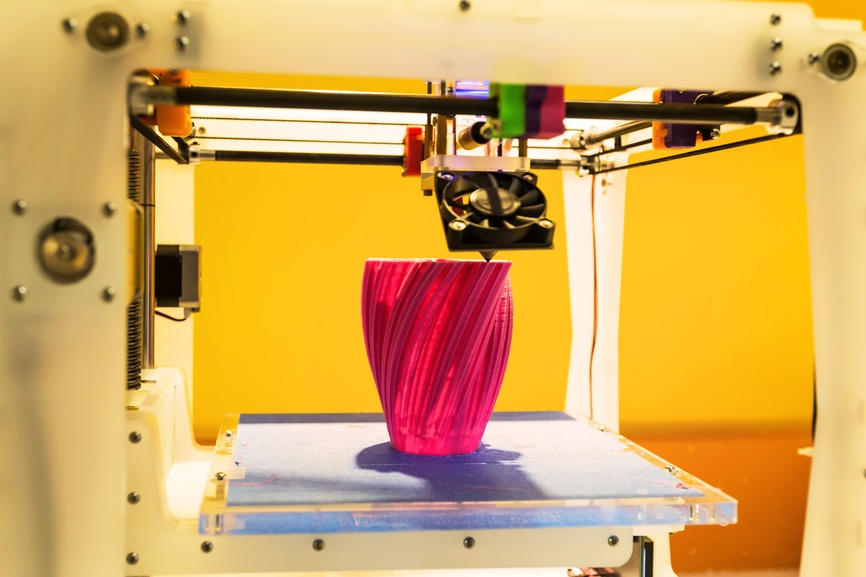
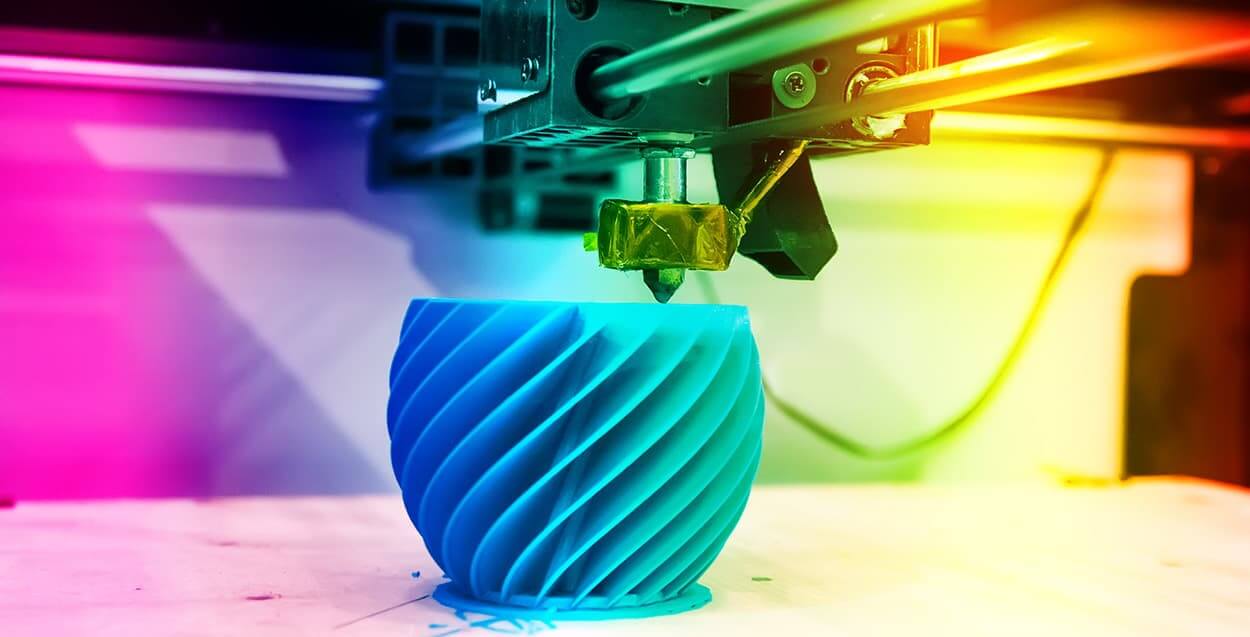
3D Printing: ASA filament is an exceptional thermoplastic material for 3D printing, particularly with FDM technology.It is extruded through a nozzle and layered to construct three-dimensional objects.
Each of these methods capitalizes on ASA’s unique properties, such as weather resistance, mechanical strength, and UV stability, making it a versatile choice for diverse applications. The selection of the processing method hinges on the specific requirements of the product, considering factors like shape, size, and intended use.
Challenges in ASA Injection Molding
ASA plastic offers notable advantages in weather and UV resistance in injection molding but encounters certain challenges:
Processing Temperature: Careful management of processing temperature is vital to prevent material degradation or defects in the final product.
Cost: ASA is generally more expensive than some other thermoplastics like ABS, which may be a consideration for cost-sensitive projects.
Shrinkage and Warping: Similar to many plastics, ASA may experience shrinkage or warping during cooling, necessitating careful design and process control.
Moisture Sensitivity: ASA can be sensitive to moisture, requiring proper storage conditions and potential pre-drying before processing.
Mold Design Considerations: Due to its properties, ASA may demand specific mold designs for optimal flow and cooling, adding complexity to mold manufacturing.
Future Trends of ASA Material
The trajectory of ASA material is deeply intertwined with technological advancements, holding the promise of enhancing its properties and applications significantly.
Advanced compounding techniques have the potential to elevate its UV resistance and mechanical strength, broadening its utility across diverse industries. The growing emphasis on sustainability may lead to the development of more environmentally friendly ASA, possibly derived from bio-based sources or designed for easier recycling. In the realm of 3D printing, ASA is anticipated to gain prominence, particularly for outdoor and industrial applications, owing to its durability.
Furthermore, the integration of ASA with smart materials could give rise to innovative applications, especially in smart devices requiring robust performance.
Looking forward, ASA is poised to extend its influence across various sectors. In aerospace and marine industries, its resistance to harsh conditions could prove invaluable. The construction industry might witness increased ASA usage for external applications like roofing and window frames due to its enduring nature and low maintenance requirements. In the automotive sector, especially with electric vehicles, ASA’s role is expected to expand, encompassing not only external components but also more structural parts.
As manufacturing trends shift towards customization and on-demand production, ASA’s versatility and easy processing position it as an ideal candidate for tailored solutions and short-run manufacturing.
These prognostications point towards a dynamic future for ASA, where its distinctive properties align with the evolving needs of sustainable and innovative manufacturing.
Conclusion
ASA material has firmly established itself as a pivotal and versatile entity in the manufacturing industry.
Its noteworthy weather resistance, UV stability, and mechanical strength render it highly valuable across a spectrum of applications, from outdoor products to automotive components.
Looking ahead, ASA is poised to augment its role, adapting to emerging technological strides and industry dynamics. The future of ASA hinges on its capacity to meet the evolving demands of sustainable, innovative, and efficient manufacturing, solidifying its status as a material of immense potential and enduring significance in the global market.