
ASA and 3D Printing
WHAT EXACTLY IS ASA?
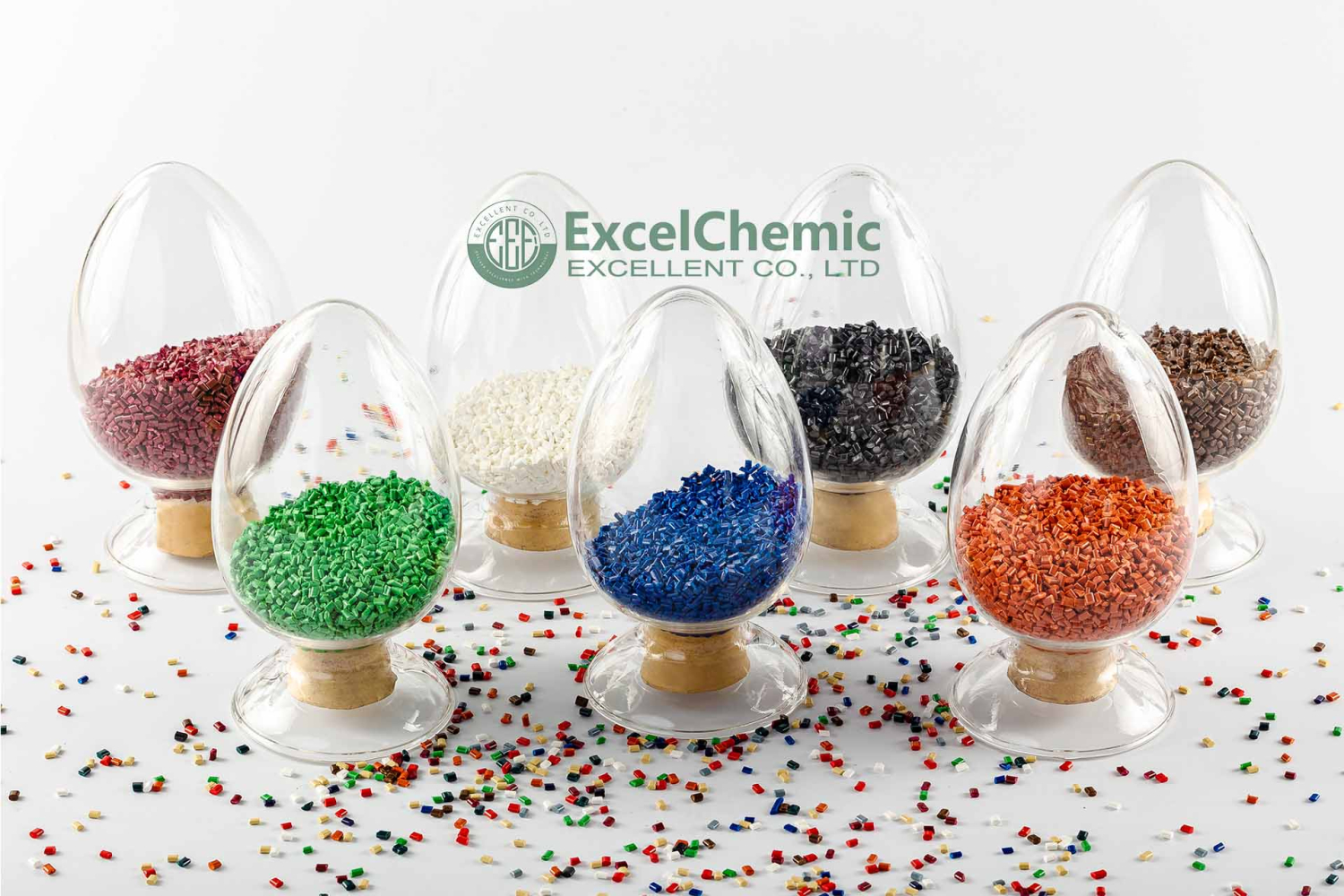
Acrylonitrile Styrene Acrylate (ASA) stands as a synthetic, non-crystalline thermoplastic ideally suited for material extrusion printing. This high-impact material finds its application in the production of functional components for various industries such as automotive, electronics, tooling, and beyond. Its notable characteristics include outstanding weather resistance and UV stability, positioning it as an excellent choice for outdoor applications.
PERFORMANCE ATTRIBUTES OF ASA
- Exceptional impact resistance
- Robust UV and chemical resistance
- Water-resistant properties
- Anti-static characteristics
- Sturdy and enduring composition
- Low-gloss surface finish
POTENTIAL APPLICATIONS OF ASA
- ASA proves to be a cost-effective 3D printing material, showcasing commendable mechanical performance and resilience against environmental factors. It finds utility in the creation of:
- Workholding jigs and fixtures
- End-of-arm tooling (EOAT)
- Inspection gauges
- Assembly fixtures
- ASA also serves as an ideal choice for 3D printed prototypes due to its ease of printing and affordability. Leveraging its strength and UV resistance, ASA can be employed in crafting functional prototypes, including:
- Molded components for Auto, Marine, and RV applications
- Electrical housings
- Outdoor appliances
- Hand and power tools
- Sporting goods
- Exterior signage
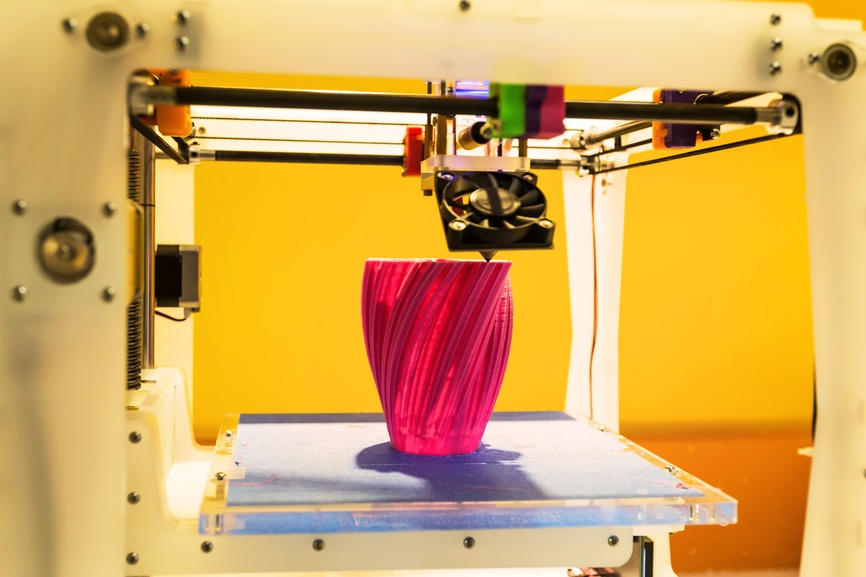
In the realm of production 3D printing, ASA takes center stage for manufacturing high-impact, enduring products requiring resistance to heat, water, and UV exposure. Noteworthy products that can be effectively printed with ASA encompass:
- Automotive exterior parts
- Marine and RV applications
- Outdoor installations
- Electrical/electronic components
- Construction materials
- Lawn and garden equipment
- Electronic display sheets
PRINTER REQUIREMENTS AND SETTINGS
Given its elevated glass transition temperature, successful ASA printing necessitates a heated bed. Optimal results are achieved with a fully enclosed print bed. Key printing parameters include:
- Extruder temperature: 240-250 ℃
- Bed temperature: 90-130 ℃
- Printing speed: 50-90 mm/s
- Heated chamber: Recommended
While parameter variations across material brands may be minimal, operators should always refer to the suggested printing parameters provided by the material manufacturer. Machine manufacturers can also serve as valuable resources for processing knowledge.
PROCEDURE of 3D PRINTING WITH ASA
To achieve optimal results, fine-tune the print parameters, paying particular attention to print speed, extruder temperature, and bed temperature. Pre-drying ASA before printing and maintaining dry conditions during the process is advised. Enclosed 3D printers are recommended to enhance layer-to-layer adhesion and mitigate warpage. Investing in a quality build surface, such as Kapton tape, PET sheets, or appropriate adhesives, is also recommended.


Leave a Reply
Want to join the discussion?Feel free to contribute!