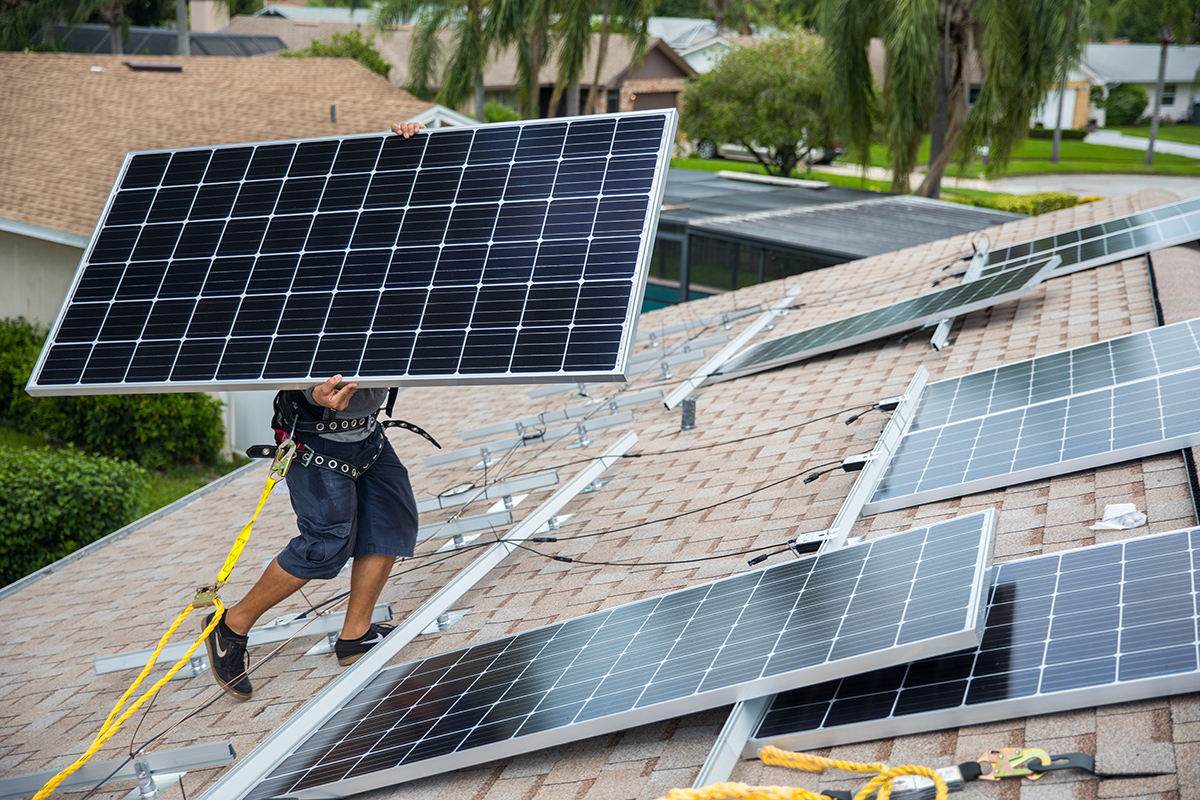
Solar panel frames don’t tend to generate a lot of excitement, but they play an important role: providing a panel strength, protection and fixing points. Frames need to be strong, lightweight and able to endure the elements for decades. To this point, aluminium has been the most widely used material.
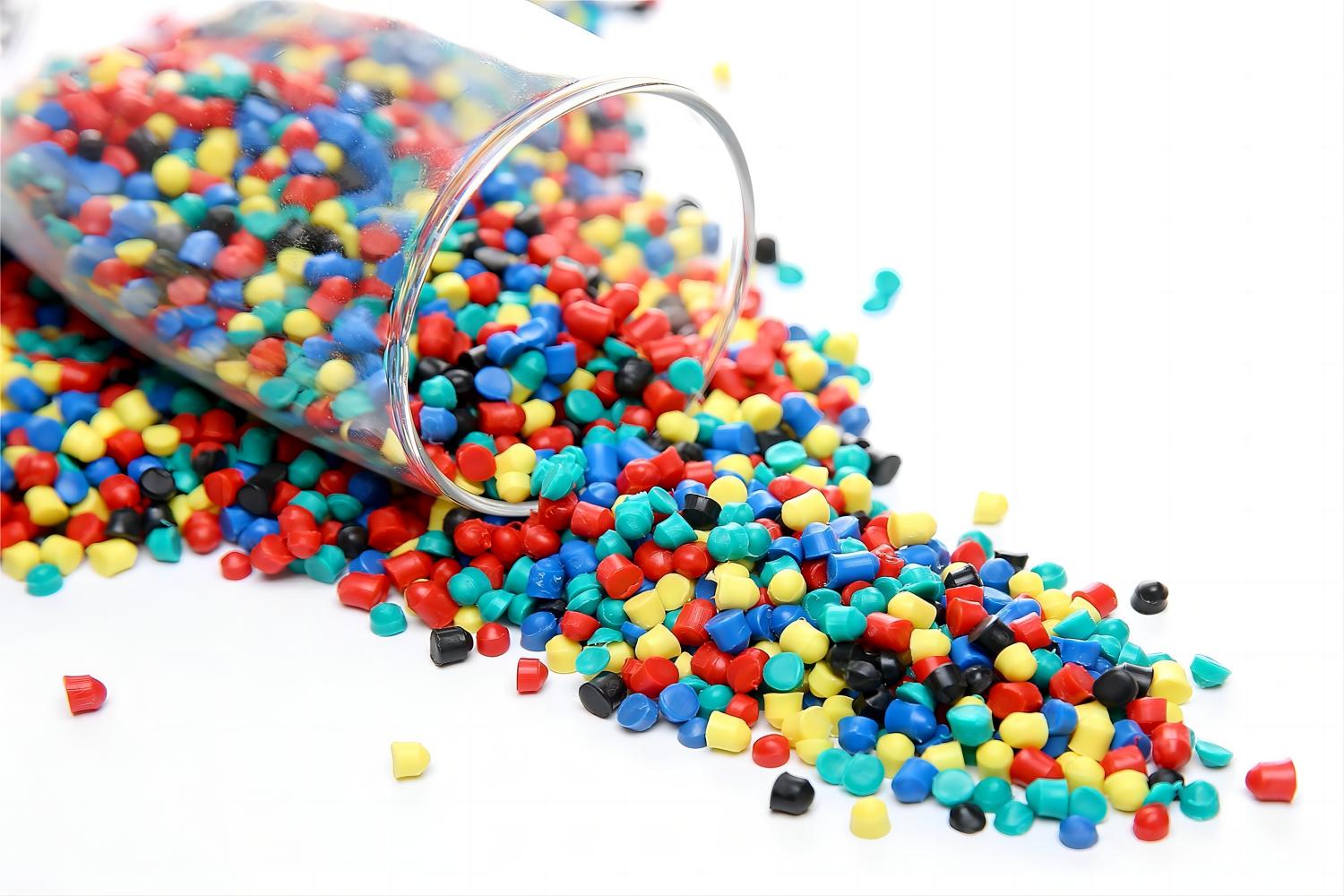
This new PC/ASA material is a composite thermoplastic made up of Acrylonitrile Styrene Acrylate (ASA) and polycarbonate (PC), both of which are petrochemical (oil) based. It has aluminium’s durability, is half the weight, has flame retardant attributes, low thermal expansion and is price-competitive with aluminium.
While an aluminium frame only makes up around 10% of a solar panel’s weight – around 2kg – any weight reduction will probably be welcomed by installers who have to tussle with solar panels on rooftops all day – not the safest of tasks given the generally unwieldy nature of PV modules.
Plastic Solar Panel Frame Recycling
One of the many benefits of aluminium is it can be recycled and doesn’t lose any quality during that process – it can be recycled pretty much forever.
The good news for the PC/ASA is it is possible to recycle PC/ASA material blends – although this study indicates compared to virgin PC/ASA, a loss in impact strength occurs. But it notes:
“Quality improvement in compounding or blending with virgin PC/ASA may be used to compensate these quality losses and establish a closed-loop recycling system.”
Excellent Co., Ltd was established in 2008, focusing on the production and research & development of new materials. The first phase of the factory covers an area of 13,494 square meters, making it the largest manufacturer of ASA new materials in China.
The company has long-term collaborations with experts in the field of new materials, including those from the Institute of Chemistry at the Chinese Academy of Sciences, Dow Chemical (USA), BASF (Germany), Clariant (Switzerland), Carbot (USA), who serve as technical consultants. ExcelChemic possesses one of the most advanced research and development platforms in the country.
With the rapid development of the global economy, “substituting plastic for steel, substituting plastic for wood” has become a new trend in the global new materials industry. As a leading player among Chinese new materials production companies, ExcelChemic has core technology in new material manufacturing. ExcelChemic places a high regard for quality, considering it as the lifeblood of the enterprise.
https://www.excelchemic.com/wp-content/uploads/2023/12/Long-Term-Partnership-with-an-International-Corporation-1.jpg112505Alexhttps://excelchemic.com/wp-content/uploads/2023/11/logo-4-3-300x72.jpgAlex2023-12-26 03:49:362023-12-26 03:51:13Long-Term Partnership with International Corporations
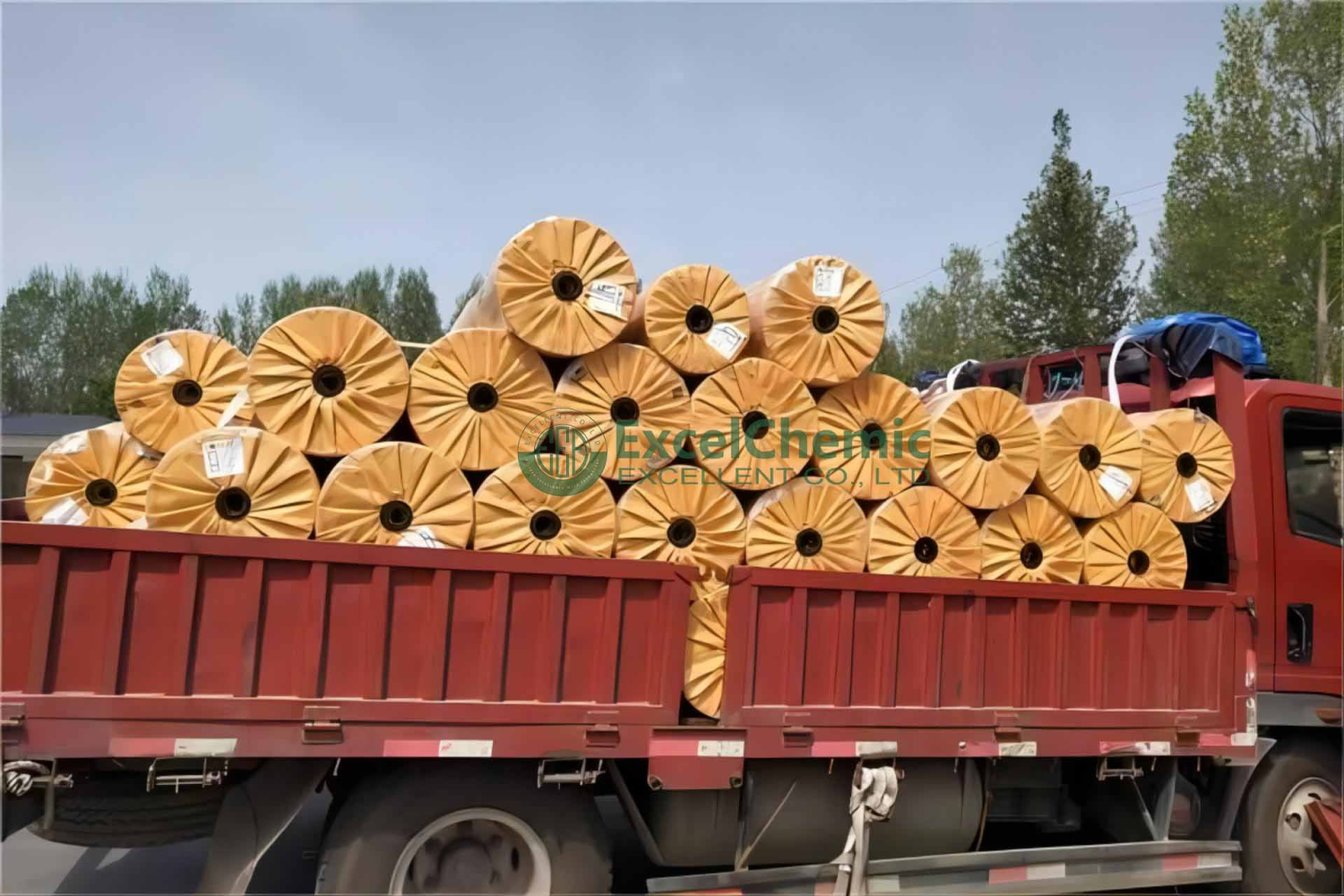
ExcelChemic ASA film, with its outstanding characteristics and ExcelChemic’s one-stop service, has won favor from customers both domestically and internationally. We continue to supply the overseas market, and welcome inquiries and orders.
Throughout the entire application process of ASA film, considerations for post-production processing and usage regulations must be taken into account. This includes specifications such as precision, coverage, elongation rate, and resistance to folding marks. Let’s take a closer look at the performance specifications of ASA film:
Coverage: During the entire film coating process, the coverage of ASA film ensures the consistency of the final product’s color tone even when the background color of the composite board fluctuates slightly.
Elongation Rate: The elongation rate determines the film’s extensibility. If the elongation rate is insufficient, it can easily lead to color deviation in areas with significant deformation during post-film forming, and in severe cases, it may result in problems such as breakage.
Resistance to Folding Marks: Generally, modified engineering plastic materials have excellent tensile and bending resistance. However, in the film production process, folding marks are common. If the resistance to folding marks of ASA film is poor, it may cause whitening at the bending points in sheet metal bending, leading to stress marks. This is especially noticeable when composite with metal materials. High-quality ASA functional films use materials with excellent impact resistance and tensile strength, significantly improving resistance to folding marks and exhibiting excellent resistance.
Precision: The entire surface thickness of ASA film should be uniformly distributed, with a general deviation controlled within 5%. Achieving uniformity is closely related to parameters such as the melt flow characteristics of ASA materials, the design of the extruder screw, the precision of the mold’s flow channel, the specifications of rollers, machine equipment, processing temperature, working pressure, and the reliability of the machine’s operation throughout the entire process. Regular and free online thickness inspections during modification are indispensable tools for maintaining quality.
https://www.excelchemic.com/wp-content/uploads/2023/12/ExcelChemic-ASA-Film-Becomes-a-Hot-Seller-in-Overseas-Markets-1.jpg12801920Alexhttps://excelchemic.com/wp-content/uploads/2023/11/logo-4-3-300x72.jpgAlex2023-12-25 10:57:022023-12-30 12:41:47ExcelChemic ASA Film Becomes a Hot Seller in Overseas Markets
The emergence of ASA weather-resistant film addresses many shortcomings of traditional co-extrusion processes, making it the preferred choice for surface weather-resistant materials.
ASA Film
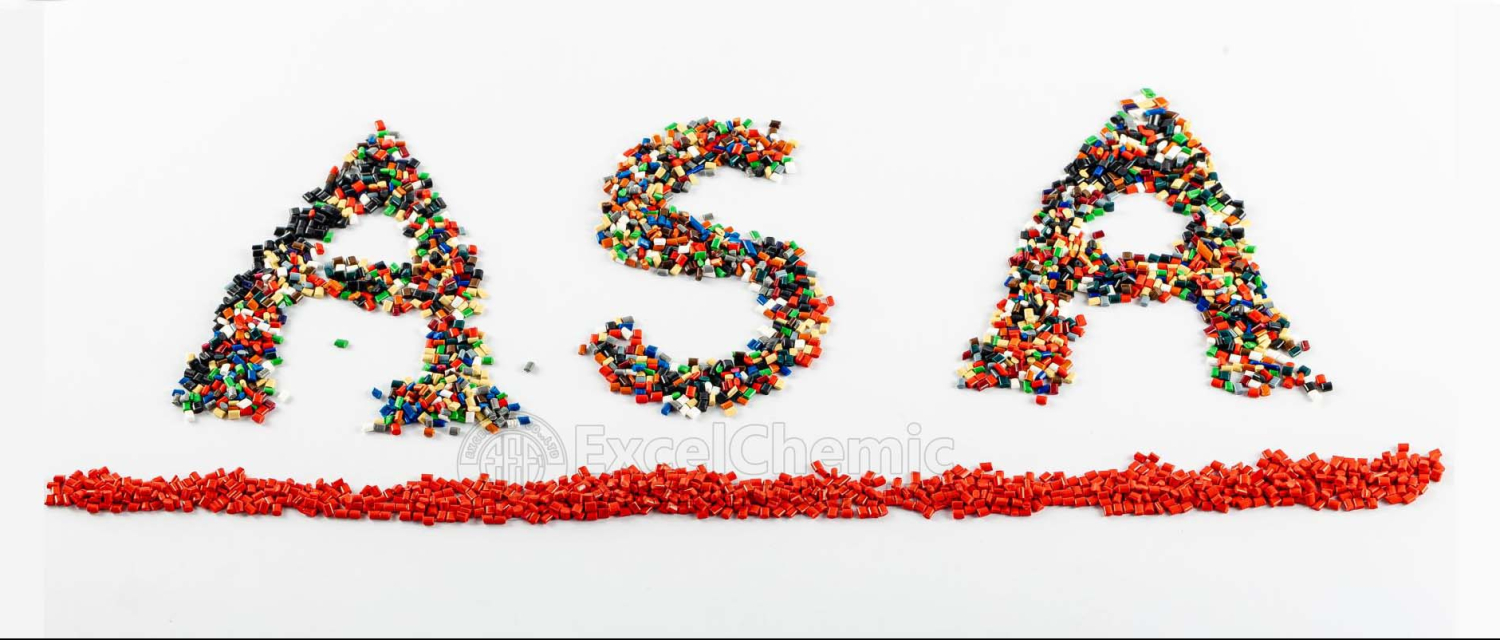
ASA ultra-weather-resistant functional film is a thin film product made from ASA resin (Acrylonitile – Styrene – Acrylate ternary copolymer), weather-resistant inorganic pigments, and additives. It is produced by specific blending modification and film stretching.
The ASA ultra-weather-resistant functional film inherits all the advantages of ASA, making it even more perfect in application.
Advantages
Products produced by film coating have a uniformly scratch-free surface
The surface thickness of products produced by film coating is uniform
Products produced by film coating have a high gloss, fine texture, and smooth surface
Products produced by film coating do not require drying
During the production process, product colors can be easily changed
In the progressive landscape of materials science, Acrylonitrile Styrene Acrylate (hereinafter referred to as ASA) has secured a prominent position within the manufacturing sector owing to its adaptability and formidable attributes.
This document seeks to furnish a comprehensive overview of the significance of ASA in contemporary manufacturing, shedding light on its processing technology, applications, and future prospects.
Let us delve into the narrative of ASA substances and investigate the technological strides that are molding our world.
Understanding ASA Material
ASA material, formally recognized as Acrylonitrile Styrene Acrylate, stands as a thermoplastic boasting outstanding weather resistance and finds widespread use in a myriad of industrial and consumer goods.
It is constituted of acrylonitrile, styrene, and acrylate, typically synthesized through emulsion polymerization to ensure consistent material properties.
Key features of ASA material encompass exceptional UV resistance and oxidation resistance, rendering it highly suitable for outdoor applications.
Furthermore, it exhibits commendable mechanical strength, impact resistance, rigidity, and remarkable thermal stability.
These attributes confer an advantage to ASA material in processing, as it can be easily shaped through common plastic molding techniques such as injection molding and extrusion.
In comparison to Acrylonitrile Butadiene Styrene (hereinafter referred to as ABS), despite structural similarities and both being thermoplastics, ASA outperforms significantly in weather resistance, particularly in UV radiation resistance.
Its color stability during prolonged outdoor exposure also surpasses that of ABS.
Advantages of ASA Materials
One of the standout features of ASA material, or Acrylonitrile Styrene Acrylate, is its exceptional weather resistance.
It maintains stability over prolonged exposure to outdoor conditions, resisting changes in temperature, humidity, or sunlight.
This resilience positions ASA as an ideal choice for outdoor products like outdoor furniture, building decorative materials, and external vehicle components.
Additionally, ASA’s chemical structure imparts excellent UV resistance, effectively countering fading and degradation induced by ultraviolet light, thereby extending the longevity of products and preserving their aesthetic appeal.
ASA finds common use in the construction industry for manufacturing items like window frames, doors, and roofing materials.
Moreover, ASA material possesses commendable mechanical strength, including high impact resistance and rigidity, making it suitable for applications requiring resilience against heavy loads or impacts, such as automobile parts and safety helmets.
Processing Techniques for ASA Materials
Recognized for their versatility and durability, ASA materials can be processed through diverse methods, each tailored to different applications and product specifications. Here is a brief overview of the primary processing methods for ASA materials:
Injection Molding: ASA injection molding is the preferred method for producing robust products.This process involves preparing ASA pellets for their specific properties, melting them in an injection molding machine, and subsequently injecting the molten ASA into a detailed mold under high pressure.
Blow Molding: In blow molding, ASA material is melted and shaped into a parison, a tube-like structure with a hole through which air can pass.This parison is placed in a mold, and air is blown into it, causing it to take the shape of the mold.
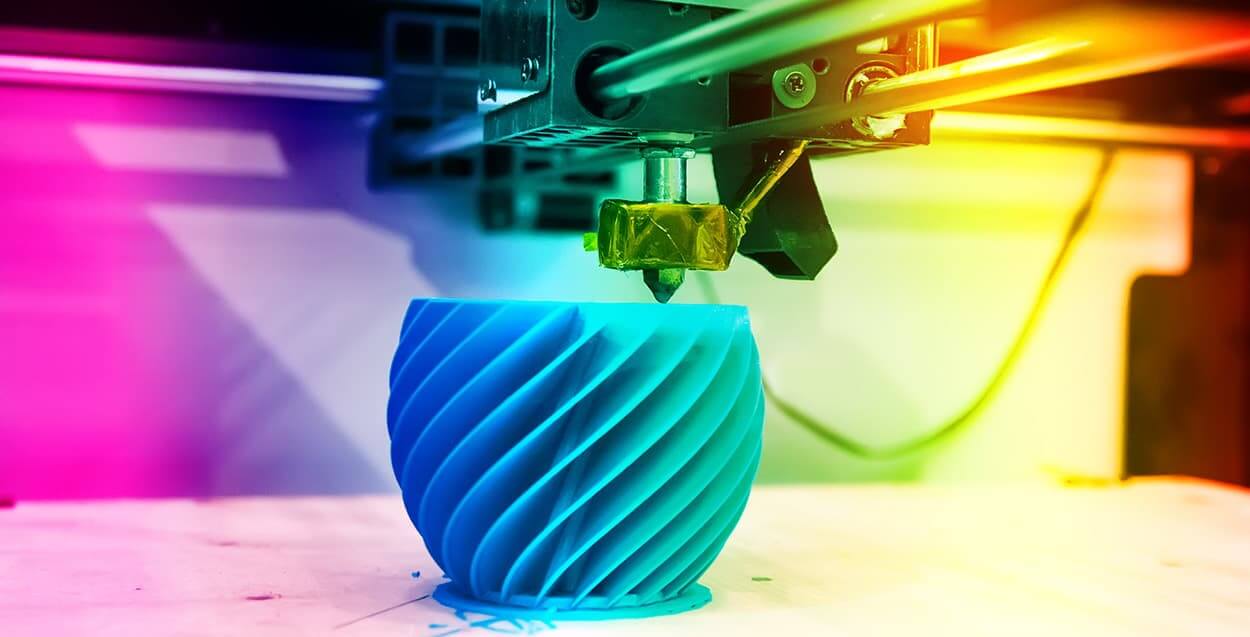
3D Printing: ASA filament is an exceptional thermoplastic material for 3D printing, particularly with FDM technology.It is extruded through a nozzle and layered to construct three-dimensional objects.
Each of these methods capitalizes on ASA’s unique properties, such as weather resistance, mechanical strength, and UV stability, making it a versatile choice for diverse applications. The selection of the processing method hinges on the specific requirements of the product, considering factors like shape, size, and intended use.
Challenges in ASA Injection Molding
ASA plastic offers notable advantages in weather and UV resistance in injection molding but encounters certain challenges:
Processing Temperature: Careful management of processing temperature is vital to prevent material degradation or defects in the final product.
Cost: ASA is generally more expensive than some other thermoplastics like ABS, which may be a consideration for cost-sensitive projects.
Shrinkage and Warping: Similar to many plastics, ASA may experience shrinkage or warping during cooling, necessitating careful design and process control.
Moisture Sensitivity: ASA can be sensitive to moisture, requiring proper storage conditions and potential pre-drying before processing.
Mold Design Considerations: Due to its properties, ASA may demand specific mold designs for optimal flow and cooling, adding complexity to mold manufacturing.
Future Trends of ASA Material
The trajectory of ASA material is deeply intertwined with technological advancements, holding the promise of enhancing its properties and applications significantly.
Advanced compounding techniques have the potential to elevate its UV resistance and mechanical strength, broadening its utility across diverse industries. The growing emphasis on sustainability may lead to the development of more environmentally friendly ASA, possibly derived from bio-based sources or designed for easier recycling. In the realm of 3D printing, ASA is anticipated to gain prominence, particularly for outdoor and industrial applications, owing to its durability.
Furthermore, the integration of ASA with smart materials could give rise to innovative applications, especially in smart devices requiring robust performance.
Looking forward, ASA is poised to extend its influence across various sectors. In aerospace and marine industries, its resistance to harsh conditions could prove invaluable. The construction industry might witness increased ASA usage for external applications like roofing and window frames due to its enduring nature and low maintenance requirements. In the automotive sector, especially with electric vehicles, ASA’s role is expected to expand, encompassing not only external components but also more structural parts.
As manufacturing trends shift towards customization and on-demand production, ASA’s versatility and easy processing position it as an ideal candidate for tailored solutions and short-run manufacturing.
These prognostications point towards a dynamic future for ASA, where its distinctive properties align with the evolving needs of sustainable and innovative manufacturing.
Conclusion
ASA material has firmly established itself as a pivotal and versatile entity in the manufacturing industry.
Its noteworthy weather resistance, UV stability, and mechanical strength render it highly valuable across a spectrum of applications, from outdoor products to automotive components.
Looking ahead, ASA is poised to augment its role, adapting to emerging technological strides and industry dynamics. The future of ASA hinges on its capacity to meet the evolving demands of sustainable, innovative, and efficient manufacturing, solidifying its status as a material of immense potential and enduring significance in the global market.
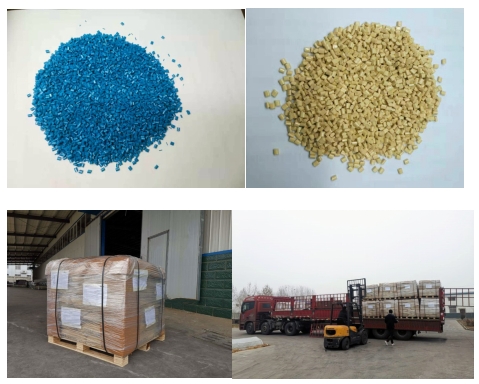
ASA particles boost the development of South American customers!
Features
Super Weather Resistance: Resists degradation, aging, and fading caused by UV rays more than 10 times that of ABS.
High Temperature Resistance: Suitable for use in high-temperature regions.
Anti-static Material: Reduces surface dust, with a significant lotus leaf effect.
Application
Window profiles: Thin and uniform coating, hard but not brittle, anti-aging, and anti-fading.
Door panels, interior and exterior wall panels, garden fences, road barriers, pipes: Used outdoors year-round, does not fade, does not accumulate dust.
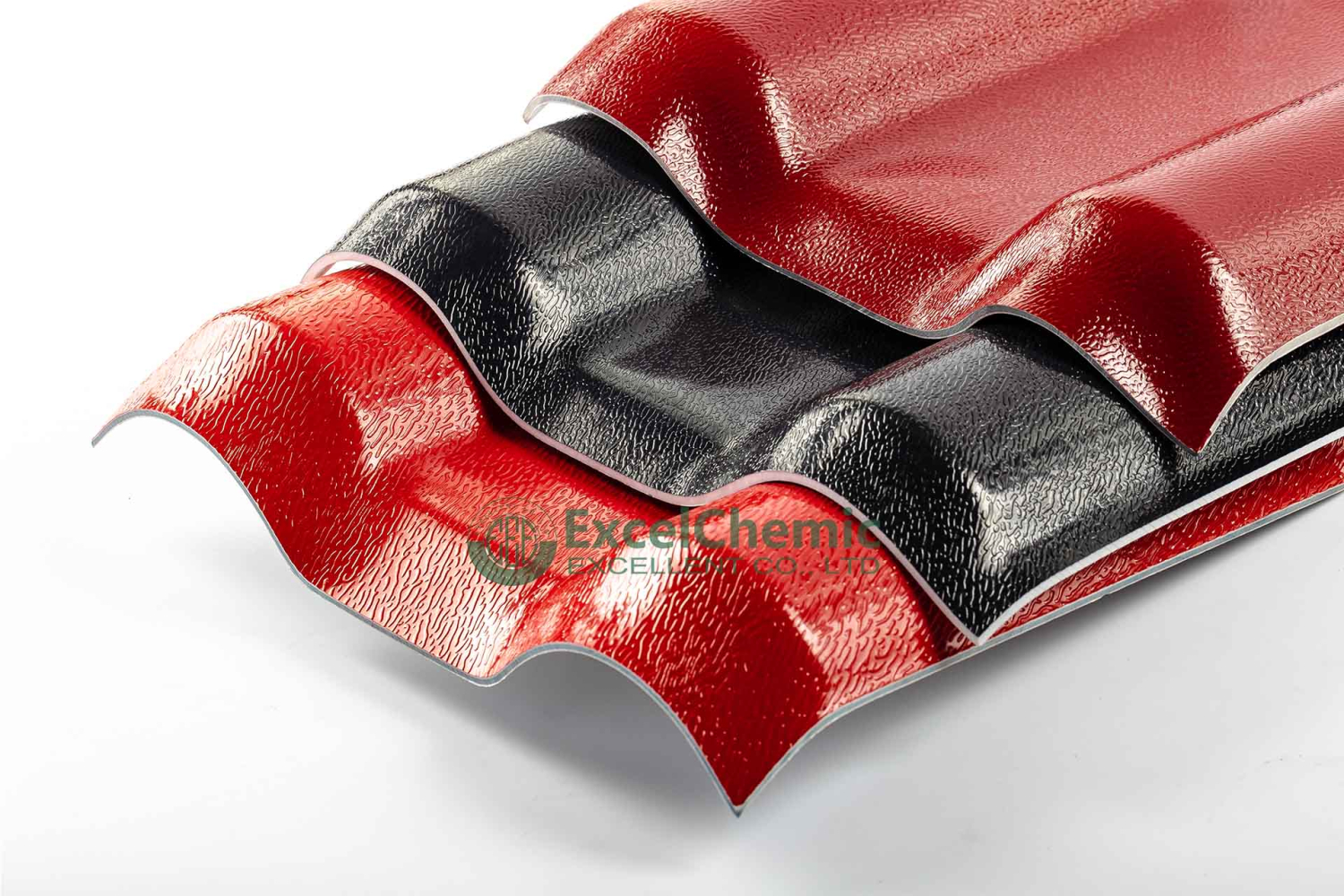
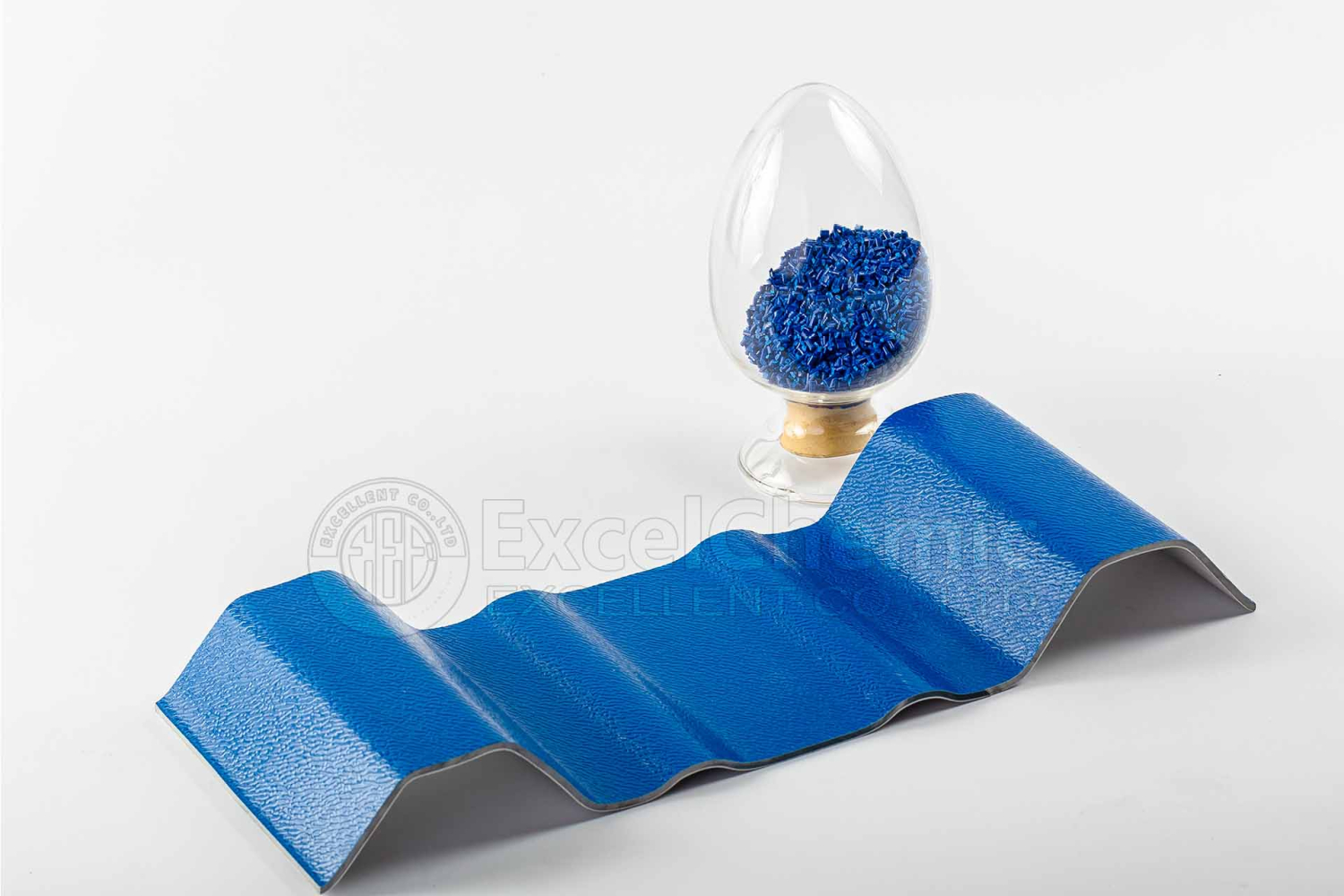
Synthetic resin tiles: Fade-resistant, dust-resistant, and anti-aging.
Small boat hulls, surfboards: Lightweight, anti-aging, beautiful and attractive.
Automotive field: Anti-aging, wind-resistant.
Motorcycle panels: Does not fade, anti-aging.
Satellite antennas: High weather resistance, anti-aging.
Heat exchangers, solar water heaters, advanced bathrooms: Anti-aging, highly weather-resistant.
Kitchen equipment: Resistant to corrosion caused by cleaning agents and disinfectants, fade-resistant, long-lasting color.
https://www.excelchemic.com/wp-content/uploads/2023/12/Cases-Middle-East-Clients.jpg12801920Alexhttps://excelchemic.com/wp-content/uploads/2023/11/logo-4-3-300x72.jpgAlex2014-08-24 18:56:262023-12-30 12:49:16Shipping to South American customers