
ExcelChemic ASA Film Becomes a Hot Seller in Overseas Markets
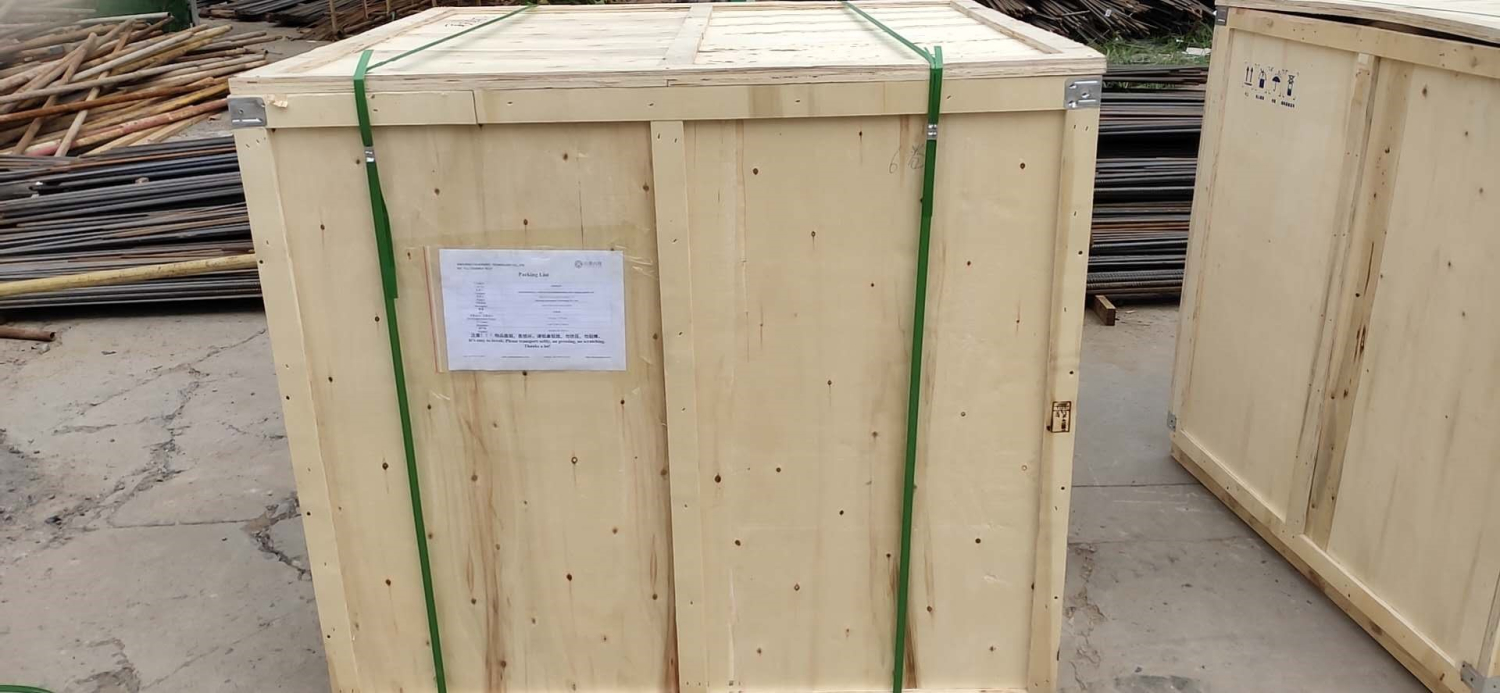
Shipping to Middle East Clients
ExcelChemic ASA film, with its outstanding characteristics and ExcelChemic’s one-stop service, has won favor from customers both domestically and internationally. We continue to supply the overseas market, and welcome inquiries and orders.
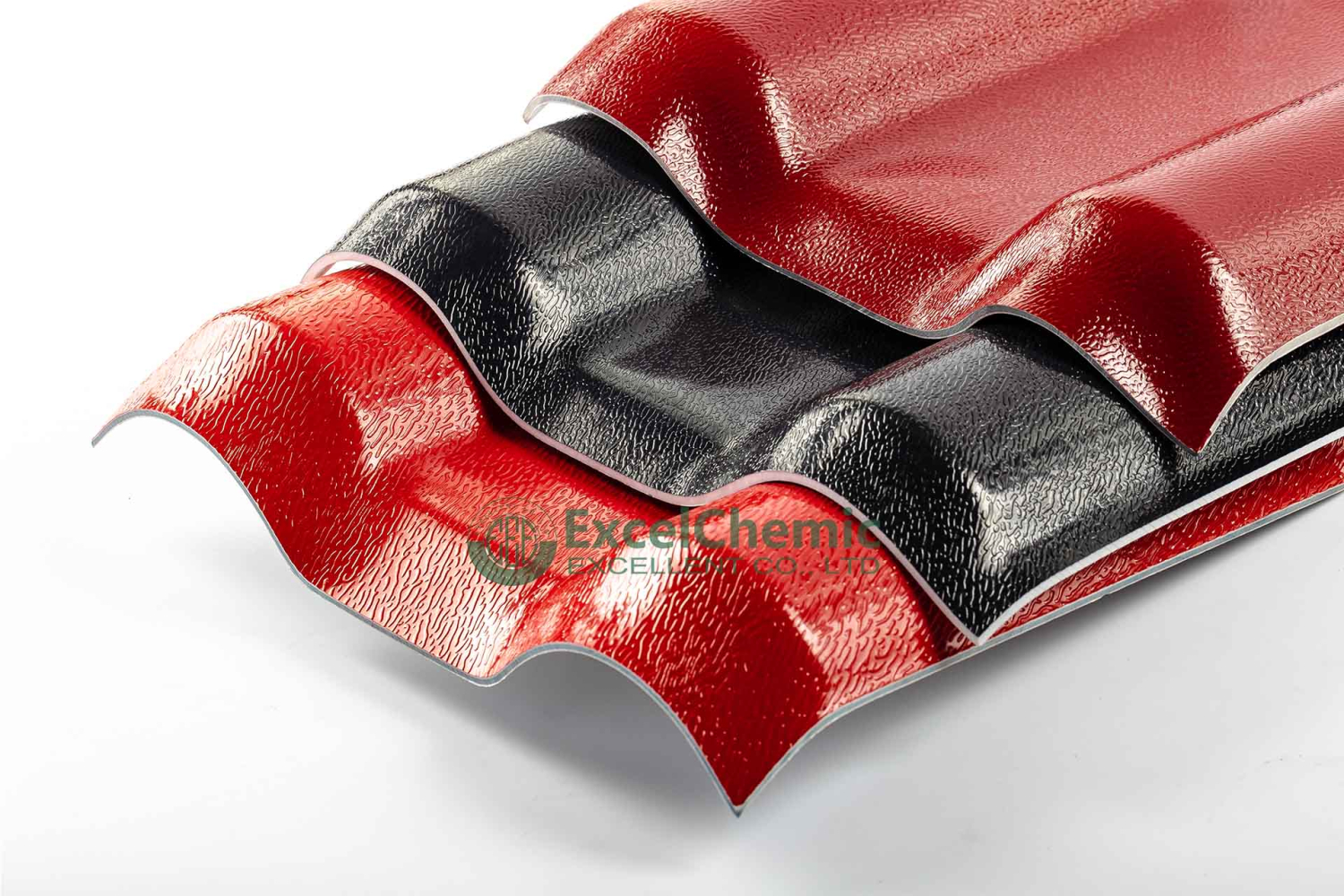
Throughout the entire application process of ASA film, considerations for post-production processing and usage regulations must be taken into account. This includes specifications such as precision, coverage, elongation rate, and resistance to folding marks. Let’s take a closer look at the performance specifications of ASA film:
- Coverage: During the entire film coating process, the coverage of ASA film ensures the consistency of the final product’s color tone even when the background color of the composite board fluctuates slightly.
- Elongation Rate: The elongation rate determines the film’s extensibility. If the elongation rate is insufficient, it can easily lead to color deviation in areas with significant deformation during post-film forming, and in severe cases, it may result in problems such as breakage.
- Resistance to Folding Marks: Generally, modified engineering plastic materials have excellent tensile and bending resistance. However, in the film production process, folding marks are common. If the resistance to folding marks of ASA film is poor, it may cause whitening at the bending points in sheet metal bending, leading to stress marks. This is especially noticeable when composite with metal materials. High-quality ASA functional films use materials with excellent impact resistance and tensile strength, significantly improving resistance to folding marks and exhibiting excellent resistance.
- Precision: The entire surface thickness of ASA film should be uniformly distributed, with a general deviation controlled within 5%. Achieving uniformity is closely related to parameters such as the melt flow characteristics of ASA materials, the design of the extruder screw, the precision of the mold’s flow channel, the specifications of rollers, machine equipment, processing temperature, working pressure, and the reliability of the machine’s operation throughout the entire process. Regular and free online thickness inspections during modification are indispensable tools for maintaining quality.


Leave a Reply
Want to join the discussion?Feel free to contribute!