
The Emergence of ASA Materials
In the progressive landscape of materials science, Acrylonitrile Styrene Acrylate (hereinafter referred to as ASA) has secured a prominent position within the manufacturing sector owing to its adaptability and formidable attributes.
This document seeks to furnish a comprehensive overview of the significance of ASA in contemporary manufacturing, shedding light on its processing technology, applications, and future prospects.
Let us delve into the narrative of ASA substances and investigate the technological strides that are molding our world.
Understanding ASA Material
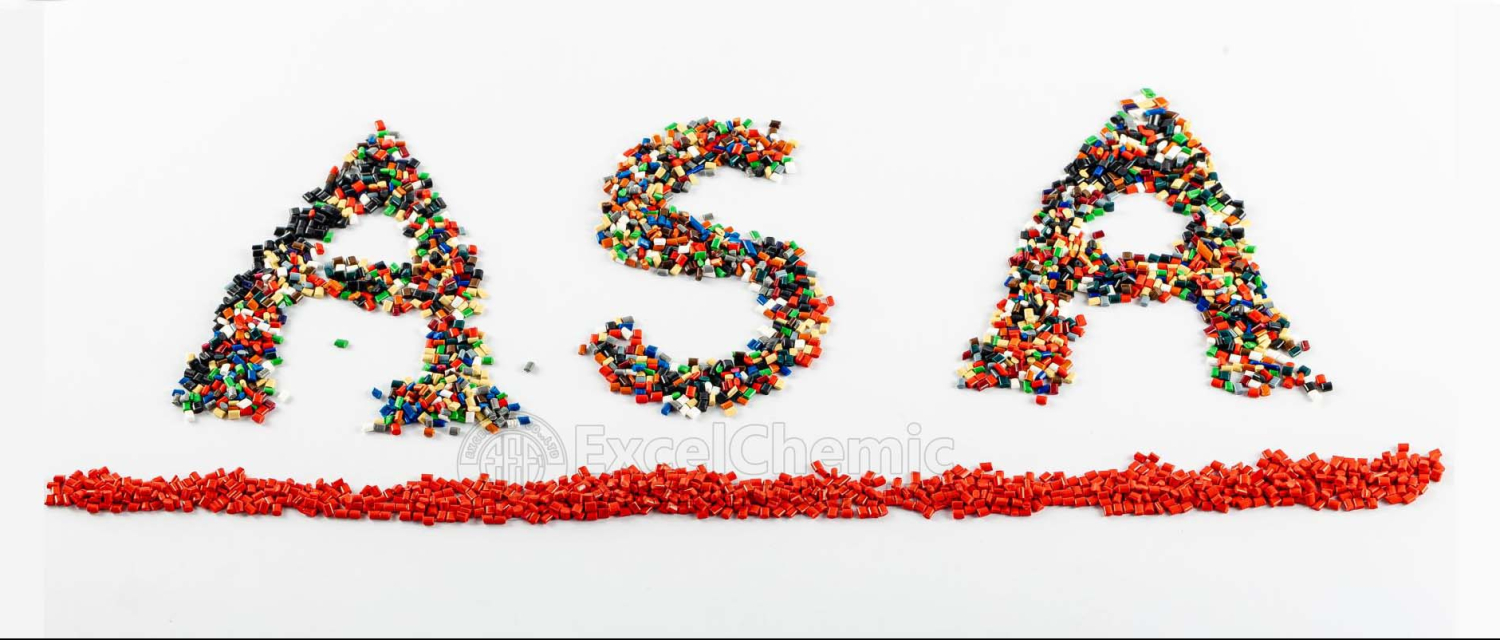
ASA material, formally recognized as Acrylonitrile Styrene Acrylate, stands as a thermoplastic boasting outstanding weather resistance and finds widespread use in a myriad of industrial and consumer goods.
It is constituted of acrylonitrile, styrene, and acrylate, typically synthesized through emulsion polymerization to ensure consistent material properties.
Key features of ASA material encompass exceptional UV resistance and oxidation resistance, rendering it highly suitable for outdoor applications.
Furthermore, it exhibits commendable mechanical strength, impact resistance, rigidity, and remarkable thermal stability.
These attributes confer an advantage to ASA material in processing, as it can be easily shaped through common plastic molding techniques such as injection molding and extrusion.
In comparison to Acrylonitrile Butadiene Styrene (hereinafter referred to as ABS), despite structural similarities and both being thermoplastics, ASA outperforms significantly in weather resistance, particularly in UV radiation resistance.
Its color stability during prolonged outdoor exposure also surpasses that of ABS.
Advantages of ASA Materials
One of the standout features of ASA material, or Acrylonitrile Styrene Acrylate, is its exceptional weather resistance.
It maintains stability over prolonged exposure to outdoor conditions, resisting changes in temperature, humidity, or sunlight.
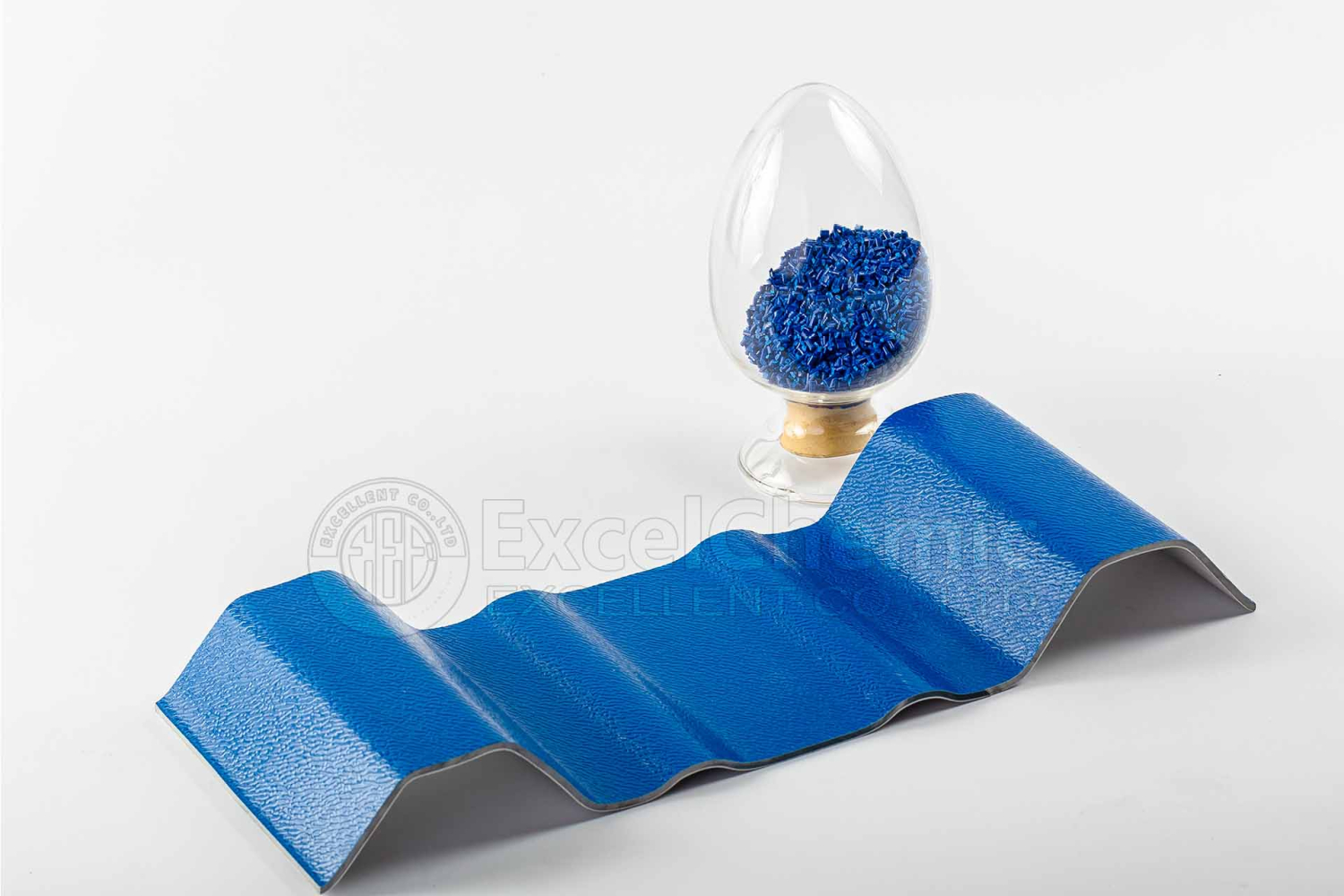
This resilience positions ASA as an ideal choice for outdoor products like outdoor furniture, building decorative materials, and external vehicle components.
Additionally, ASA’s chemical structure imparts excellent UV resistance, effectively countering fading and degradation induced by ultraviolet light, thereby extending the longevity of products and preserving their aesthetic appeal.
ASA finds common use in the construction industry for manufacturing items like window frames, doors, and roofing materials.
Moreover, ASA material possesses commendable mechanical strength, including high impact resistance and rigidity, making it suitable for applications requiring resilience against heavy loads or impacts, such as automobile parts and safety helmets.

Processing Techniques for ASA Materials
Recognized for their versatility and durability, ASA materials can be processed through diverse methods, each tailored to different applications and product specifications. Here is a brief overview of the primary processing methods for ASA materials:
- Injection Molding: ASA injection molding is the preferred method for producing robust products.This process involves preparing ASA pellets for their specific properties, melting them in an injection molding machine, and subsequently injecting the molten ASA into a detailed mold under high pressure.
- Blow Molding: In blow molding, ASA material is melted and shaped into a parison, a tube-like structure with a hole through which air can pass.This parison is placed in a mold, and air is blown into it, causing it to take the shape of the mold.
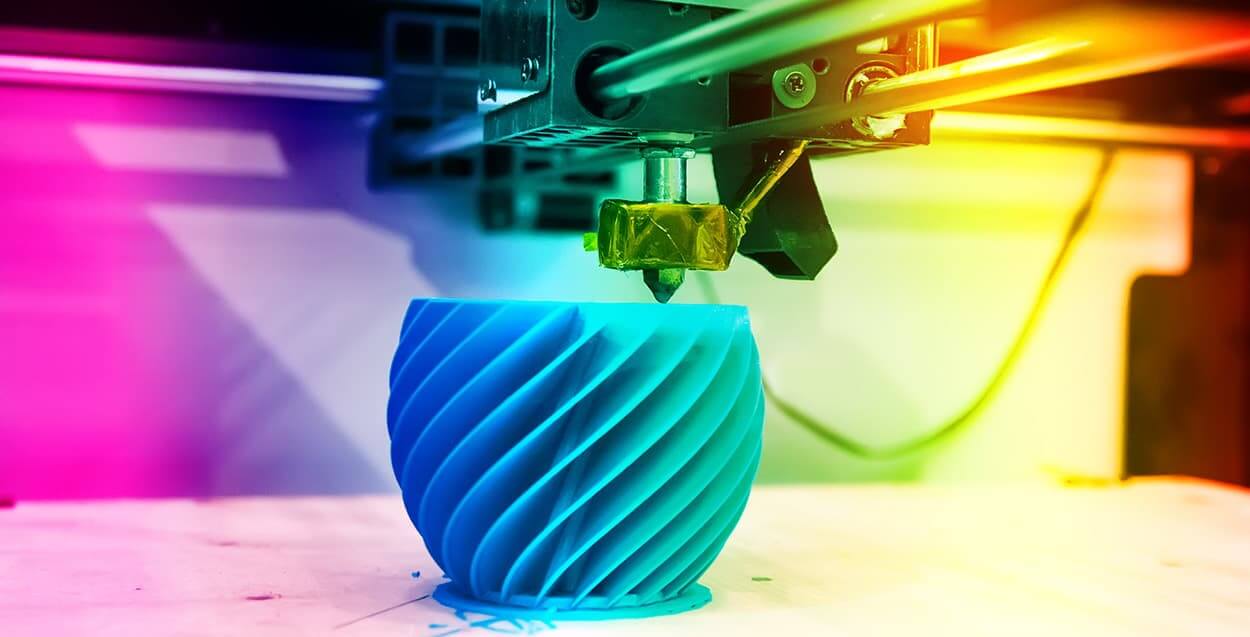
- 3D Printing: ASA filament is an exceptional thermoplastic material for 3D printing, particularly with FDM technology.It is extruded through a nozzle and layered to construct three-dimensional objects.
Each of these methods capitalizes on ASA’s unique properties, such as weather resistance, mechanical strength, and UV stability, making it a versatile choice for diverse applications. The selection of the processing method hinges on the specific requirements of the product, considering factors like shape, size, and intended use.
Challenges in ASA Injection Molding
ASA plastic offers notable advantages in weather and UV resistance in injection molding but encounters certain challenges:
- Processing Temperature: Careful management of processing temperature is vital to prevent material degradation or defects in the final product.
- Cost: ASA is generally more expensive than some other thermoplastics like ABS, which may be a consideration for cost-sensitive projects.
- Shrinkage and Warping: Similar to many plastics, ASA may experience shrinkage or warping during cooling, necessitating careful design and process control.
- Moisture Sensitivity: ASA can be sensitive to moisture, requiring proper storage conditions and potential pre-drying before processing.
- Mold Design Considerations: Due to its properties, ASA may demand specific mold designs for optimal flow and cooling, adding complexity to mold manufacturing.
Future Trends of ASA Material
The trajectory of ASA material is deeply intertwined with technological advancements, holding the promise of enhancing its properties and applications significantly.
Advanced compounding techniques have the potential to elevate its UV resistance and mechanical strength, broadening its utility across diverse industries. The growing emphasis on sustainability may lead to the development of more environmentally friendly ASA, possibly derived from bio-based sources or designed for easier recycling. In the realm of 3D printing, ASA is anticipated to gain prominence, particularly for outdoor and industrial applications, owing to its durability.
Furthermore, the integration of ASA with smart materials could give rise to innovative applications, especially in smart devices requiring robust performance.

Looking forward, ASA is poised to extend its influence across various sectors. In aerospace and marine industries, its resistance to harsh conditions could prove invaluable. The construction industry might witness increased ASA usage for external applications like roofing and window frames due to its enduring nature and low maintenance requirements. In the automotive sector, especially with electric vehicles, ASA’s role is expected to expand, encompassing not only external components but also more structural parts.


As manufacturing trends shift towards customization and on-demand production, ASA’s versatility and easy processing position it as an ideal candidate for tailored solutions and short-run manufacturing.
These prognostications point towards a dynamic future for ASA, where its distinctive properties align with the evolving needs of sustainable and innovative manufacturing.
Conclusion
ASA material has firmly established itself as a pivotal and versatile entity in the manufacturing industry.
Its noteworthy weather resistance, UV stability, and mechanical strength render it highly valuable across a spectrum of applications, from outdoor products to automotive components.
Looking ahead, ASA is poised to augment its role, adapting to emerging technological strides and industry dynamics. The future of ASA hinges on its capacity to meet the evolving demands of sustainable, innovative, and efficient manufacturing, solidifying its status as a material of immense potential and enduring significance in the global market.


Leave a Reply
Want to join the discussion?Feel free to contribute!